The growth and intercalation of nickel (Ni) nanoclusters on the moiré superlattice of graphene(Gr)/Ir(111) were investigated by scanning tunneling microscopy (STM) under ultra-high vacuum (UHV) conditions. At room temperature (RT), Ni deposition led to the formation of flat, triangular islands, with nucleation preferentially occurring at fcc regions of the moiré superlattice. These islands evolved into three-dimensional triangular nanoclusters that were aligned with the substrate's close-packed directions, reflecting the templating effect of the graphene moiré. Upon annealing to 900 K, Ni atoms intercalated beneath the graphene layer, yielding two distinct moiré contrasts signifying different local intercalation configurations. These findings demonstrate that Ni nanostructures confined by the moiré template provide a well-defined platform for exploring size- and shape-dependent properties relevant to catalytic and magnetic applications.
周老师: 13321314106
王老师: 17793132604


邮箱号码: lub@licp.cas.cn





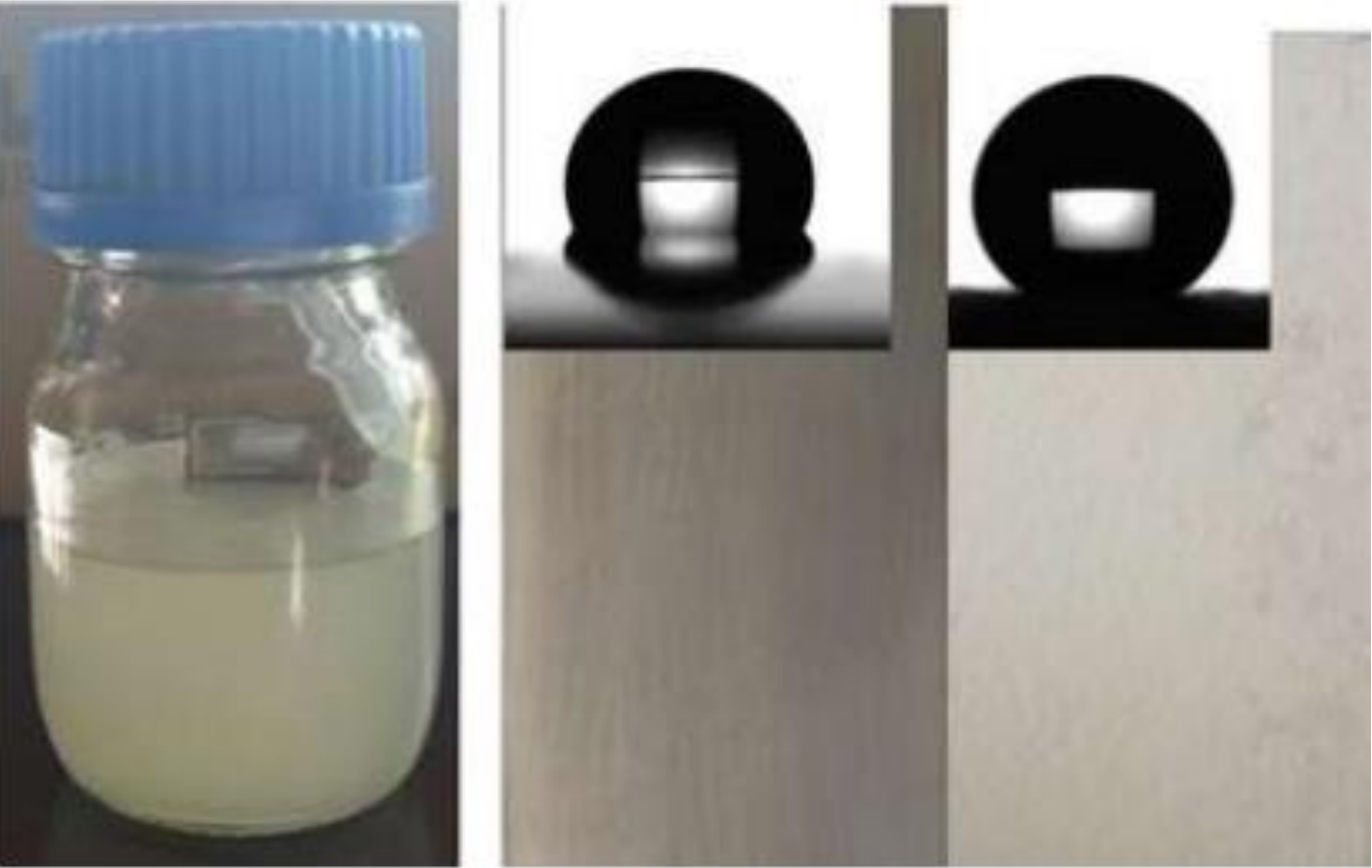
 润滑剂
润滑剂
 润滑油添加剂
 自润滑材料
自润滑材料
 密封材料
密封材料
 新兴材料
新兴材料
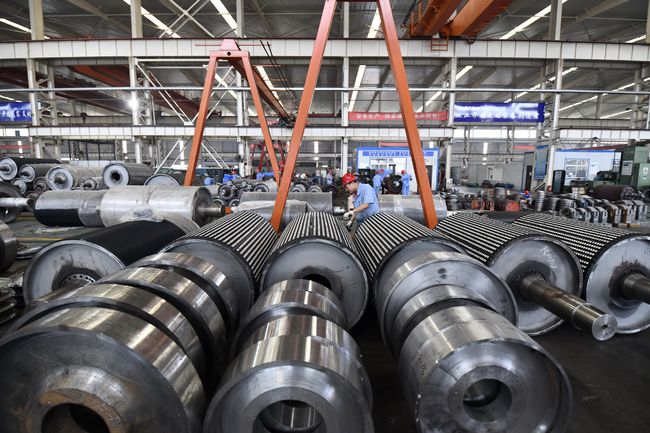 加工设备
加工设备
 摩擦试验机
摩擦试验机
 大型表征仪器
 小型测试设备