We report a drastic difference in stacking behavior of oleic acid-stabilized 4-monolayer (4 ML) CdSe nanoplatelets (NPLs) in toluene and methylcyclohexane (MCH), two nonpolar solvents that differ in the conformational flexibility of their molecules. Using liquid cell transmission electron microscopy (TEM) and small angle scattering (SAXS) techniques, we show that NPLs form microns-long ribbons consisting of 4 ML CdSe NPLs in toluene, the solvent widely used to form stable colloidal solutions of a broad range of quasi-spherical nanoparticles. In contrast, 4 ML CdSe NPLs are well dispersed in MCH. The difference in stacking behavior of NPLs in toluene and MCH suggests that the conformational flexibility of the solvent molecules, such as the ability to adopt multiple chair conformations, modulates nanoplatelet interactions. Molecular dynamics (MD) simulations reveal that solvent molecules subtly alter the structure of the organic ligand shell. These solvent-dependent changes propagate to the inorganic core, modulating the degree of CdSe nanoplatelet (NPL) twisting and, consequently, the properties of the nanoparticles. We show that toluene better solvates oleate ligands while MCH induces a bimodal oleate span distribution, which can lead to increased solubility of CdSe NPLs. In addition, the solvent can also influence the inorganic core, which, in turn, can modify the nanoparticle properties. We demonstrate that destabilization of toluene solution containing ribbons of 4 ML CdSe NPLs without CdS shells results in the formation of NPL assemblies with amplified spontaneous emission (ASE) with a low threshold of 14 µJ cm−2 that is comparable with that of CdSe/CdS core/shell NPLs. Our results emphasize that the solvent plays a major role in mediating interactions between NPLs and hence their processability for fabrication of functional structures.
周老师: 13321314106
王老师: 17793132604


邮箱号码: lub@licp.cas.cn




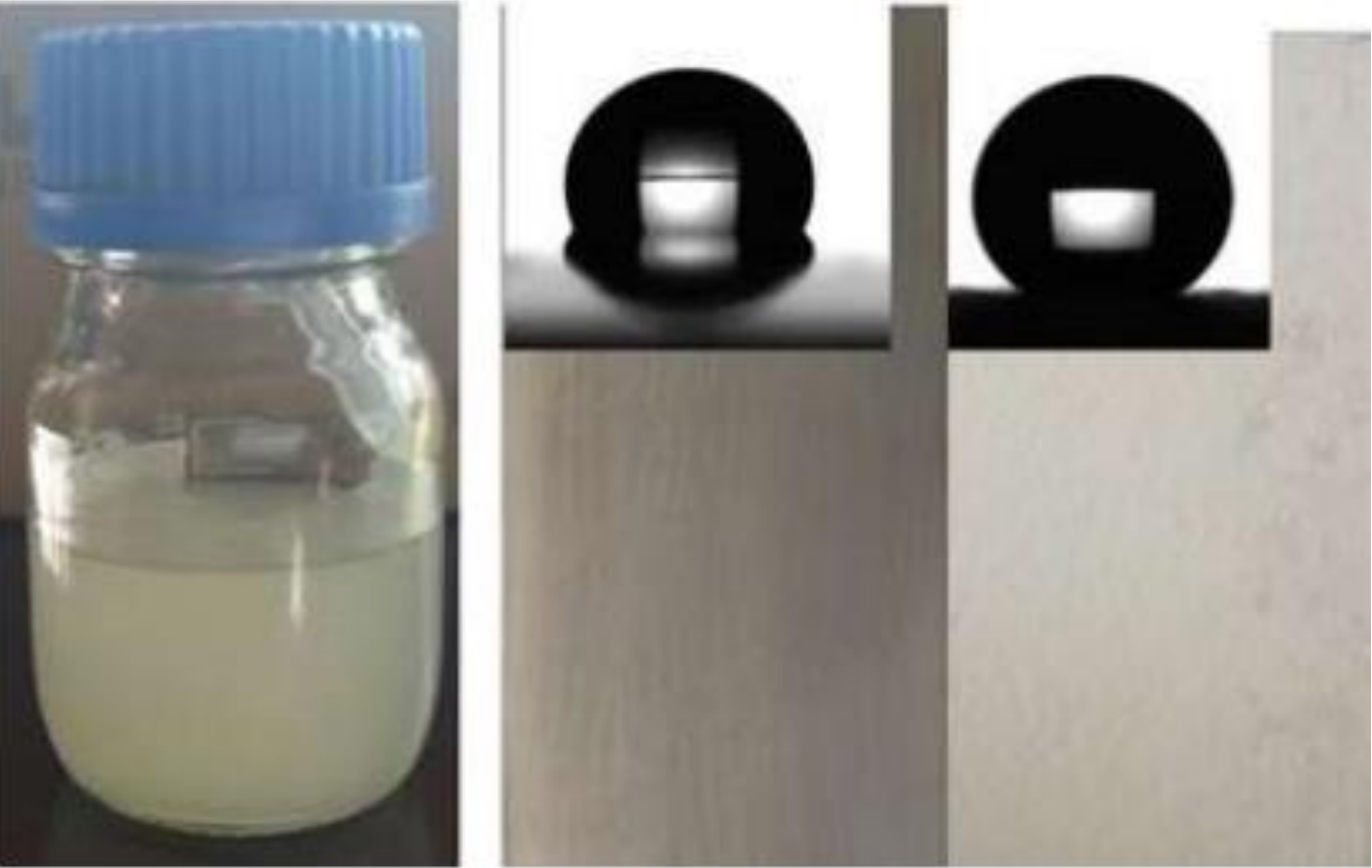
 润滑剂
润滑剂
 润滑油添加剂
 自润滑材料
自润滑材料
 密封材料
密封材料
 新兴材料
新兴材料
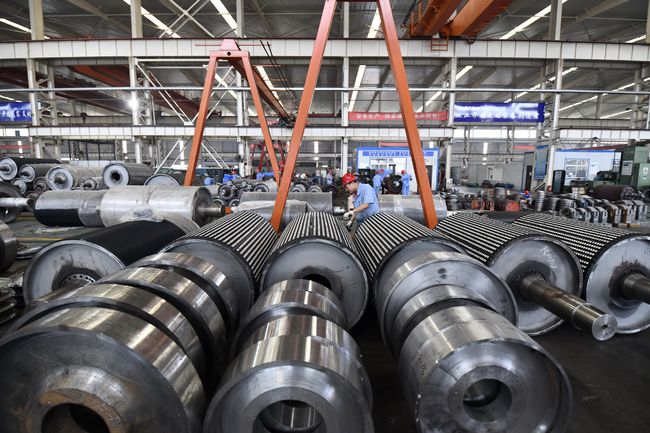 加工设备
加工设备
 摩擦试验机
摩擦试验机
 大型表征仪器
 小型测试设备