Crystalline porous materials are orchestrating a paradigm shift in precision medicine. Prototypical metal–organic frameworks (MOFs) define the realm of “pore chemistry” by leveraging compact, thermodynamically stable coordination backbones to construct chemically programmable microenvironments. In stark contrast, hydrogen-bonded organic frameworks (HOFs) introduce an orthogonal paradigm. This new frontier, “pore mechanics”, is governed by relatively loose, reversible non-covalent networks. Rather than framing this transition as a linear structural evolution, this review critically conceptualizes it as a fundamental trade-off in material design. We dissect the “chemical gating” strategies, detailing how atomic-level surface engineering and post-synthetic modification of metal–organic frameworks toward applications create smart valves responsive to endogenous biochemical gradients. Subsequently, we delineate the unique behaviours of HOFs, distinguishing between thermodynamically driven “induced-fit” mechanisms—facilitated by the pre-organization of the lattice and an energy barrier descent—and true exogenous mechanochemical scission (e.g., ultrasound-triggered dissociation). By critically contrasting the thermodynamic robustness of MOFs with the kinetic lability of HOFs, we confront their respective translational barriers, weighing the inorganic persistence of MOFs against the severe hydrophobic aggregation risks of free HOF monomers. Emphasizing rigorously controlled comparisons over simple superposition, we establish a rational selection roadmap for clinical translation. Finally, we highlight the frontier of MOF–HOF heterostructures, envisioning a dual logic-gated (AND-gate) delivery model. This architecture synergizes chemical robustness with mechanical intelligence, challenging the field to overcome the formidable spatiotemporal barriers of deep-tissue biological delivery.
周老师: 13321314106
王老师: 17793132604


邮箱号码: lub@licp.cas.cn





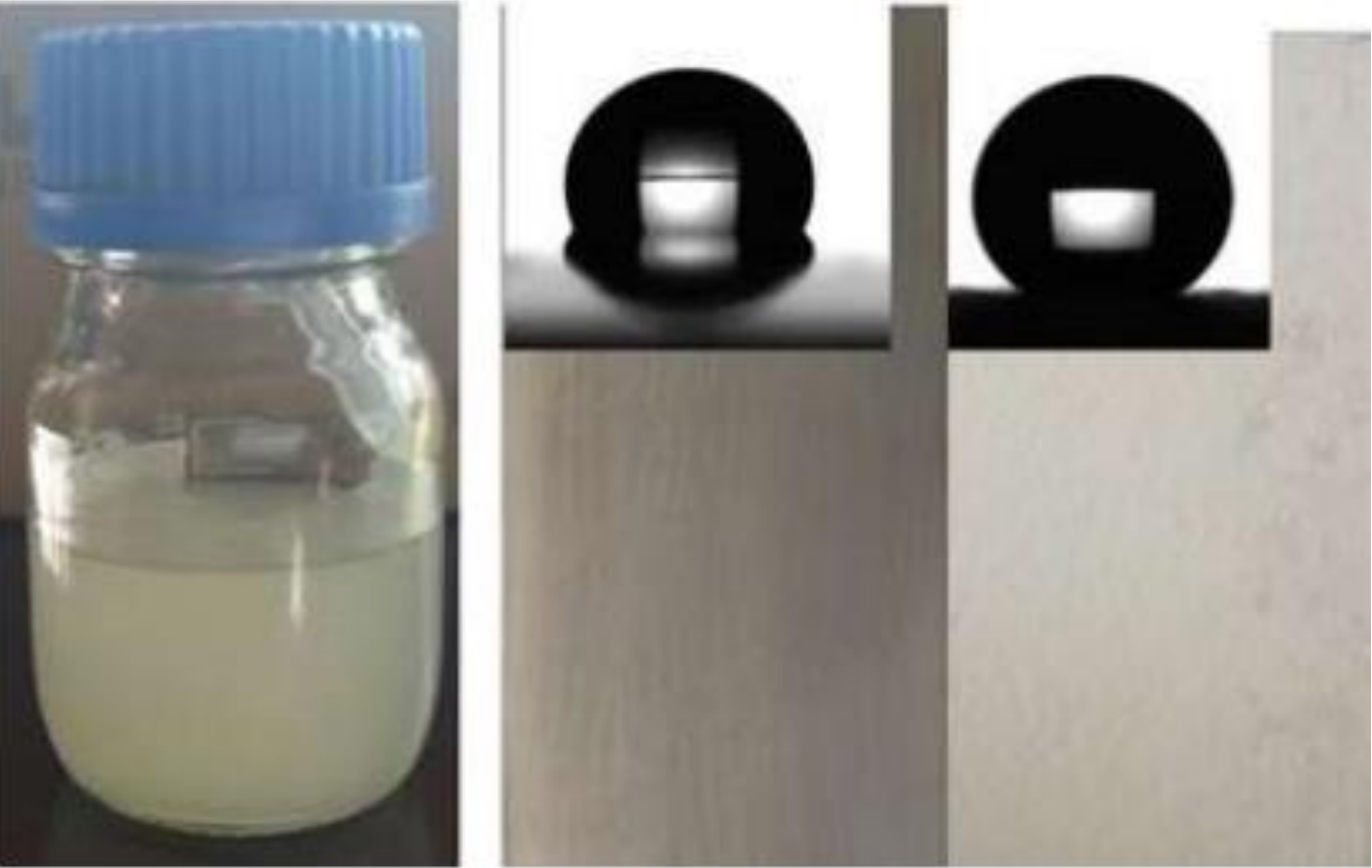
 润滑剂
润滑剂
 润滑油添加剂
 自润滑材料
自润滑材料
 密封材料
密封材料
 新兴材料
新兴材料
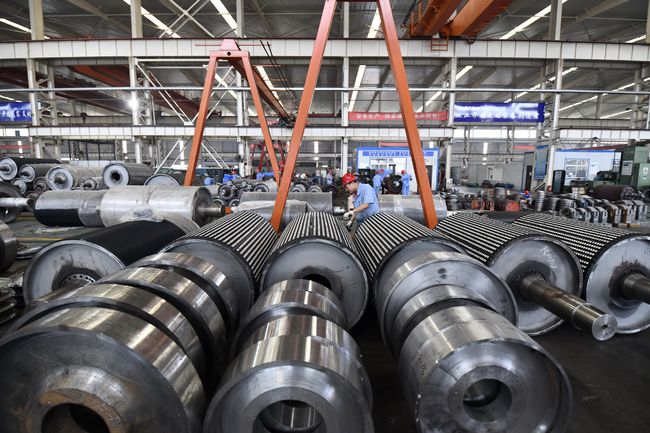 加工设备
加工设备
 摩擦试验机
摩擦试验机
 大型表征仪器
 小型测试设备