Adsorbed natural gas storage using porous materials at ambient temperature and relatively low pressure promises to address safety and cost concerns of conventional natural gas storage technologies (liquefaction and compression), but its utility is hindered by low deliverable capacity. Flexible porous materials such as metal–organic frameworks can exhibit isotherms with the potential to afford enhanced deliverable capacity. However, prototypal flexible adsorbed natural gas sorbents, exemplified by the metal–organic framework cobalt benzenedipyrazolate, Co(bdp), suffer from hydrolytic instability and are unsuitable for pelletization. Here we report a family of metal–bipyrazolate frameworks, including hydrophobic sorbents, Zn(dpt) and Co(dpt) (H2dpt = 2,5-di(1H-pyrazol-4-yl)thiophene), that exhibit methane-induced reversible transformations between narrow-pore and large-pore phases. Zn(dpt) shows exceptionally high methane deliverable capacities for 5–35 and 5–65 bar, that is, 173 cm3 (STP) cm−3 and 225 cm3 (STP) cm−3, respectively, but, unlike Co(bdp), is hydrolytically stable. In situ structural characterization, high-pressure gas sorption and modelling provide an insight into the narrow-pore–large-pore transformations, whereas testing with 250-ml tanks reveals that Zn(dpt) retains high deliverable capacity over multiple cycles. We demonstrate a practical alternative to pelletization through a formulation approach that is probably generally suitable for flexible sorbents.
周老师: 13321314106
王老师: 17793132604


邮箱号码: lub@licp.cas.cn




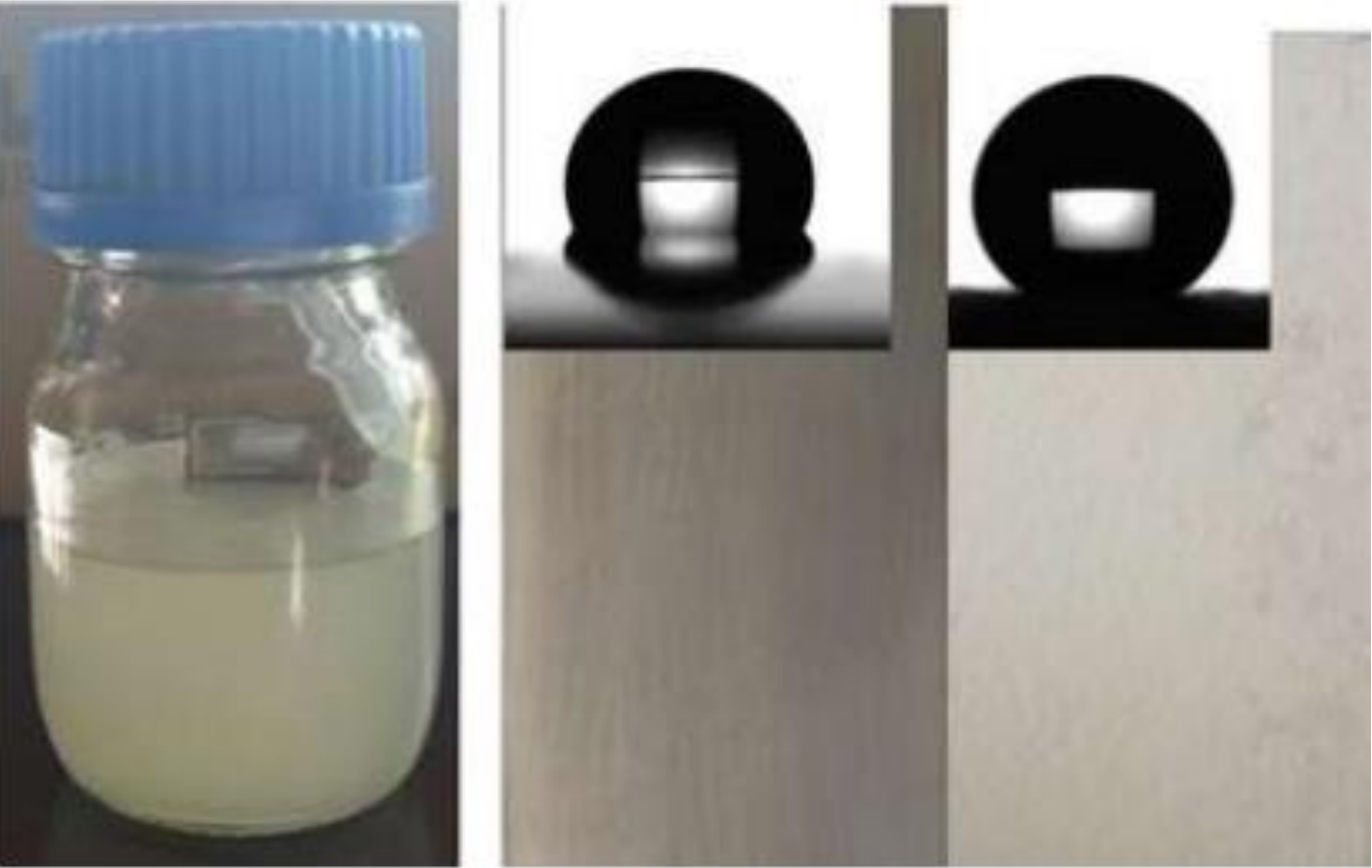
 润滑剂
润滑剂
 润滑油添加剂
 自润滑材料
自润滑材料
 密封材料
密封材料
 新兴材料
新兴材料
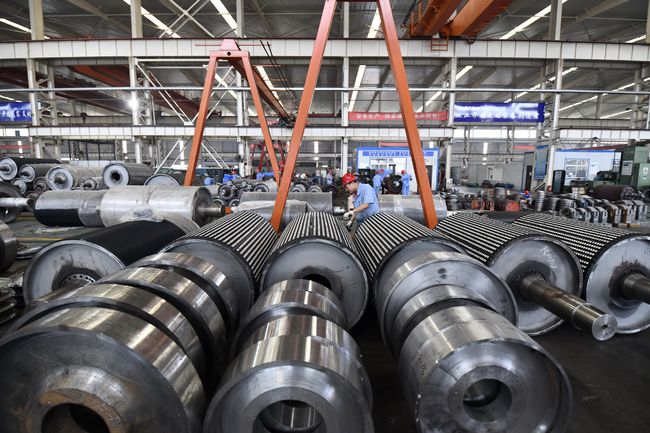 加工设备
加工设备
 摩擦试验机
摩擦试验机
 大型表征仪器
 小型测试设备