Highly ordered two-dimensional (2D) peptide structures were first proposed in 1975 as synthetic analogues of biological membranes, capable of mimicking the enantioselective recognition of biomolecules through atomically thin architectures. However, constructing ultrathin single-crystalline 2D peptide materials remains challenging because long-range ordered intralayer hydrogen-bonding networks are difficult to establish and maintain. Here we report a metal-directed β-sheet-like assembly strategy that affords 2D peptide crystals featuring parallel and antiparallel β-sheet organizations, with programmable control over sequence, chirality and side-chain chemistry. The antiparallel arrangement promotes intralayer mechanical interlocking, thereby enhancing the stability of the 2D lattice. Crystallographic analysis of diverse metal-peptide architectures reveals key structural determinants and elucidates the mechanism behind 2D interlocked assembly. These layered crystals can be exfoliated into free-standing, single-crystalline ultrathin nanosheets that stereoselectively bind glucocorticoids and chiral pharmaceutical molecules, with enantioselectivity up to 20.9. This work establishes a general strategy for creating structurally diverse 2D crystalline materials with tunable surfaces and programmable functions.
周老师: 13321314106
王老师: 17793132604


邮箱号码: lub@licp.cas.cn





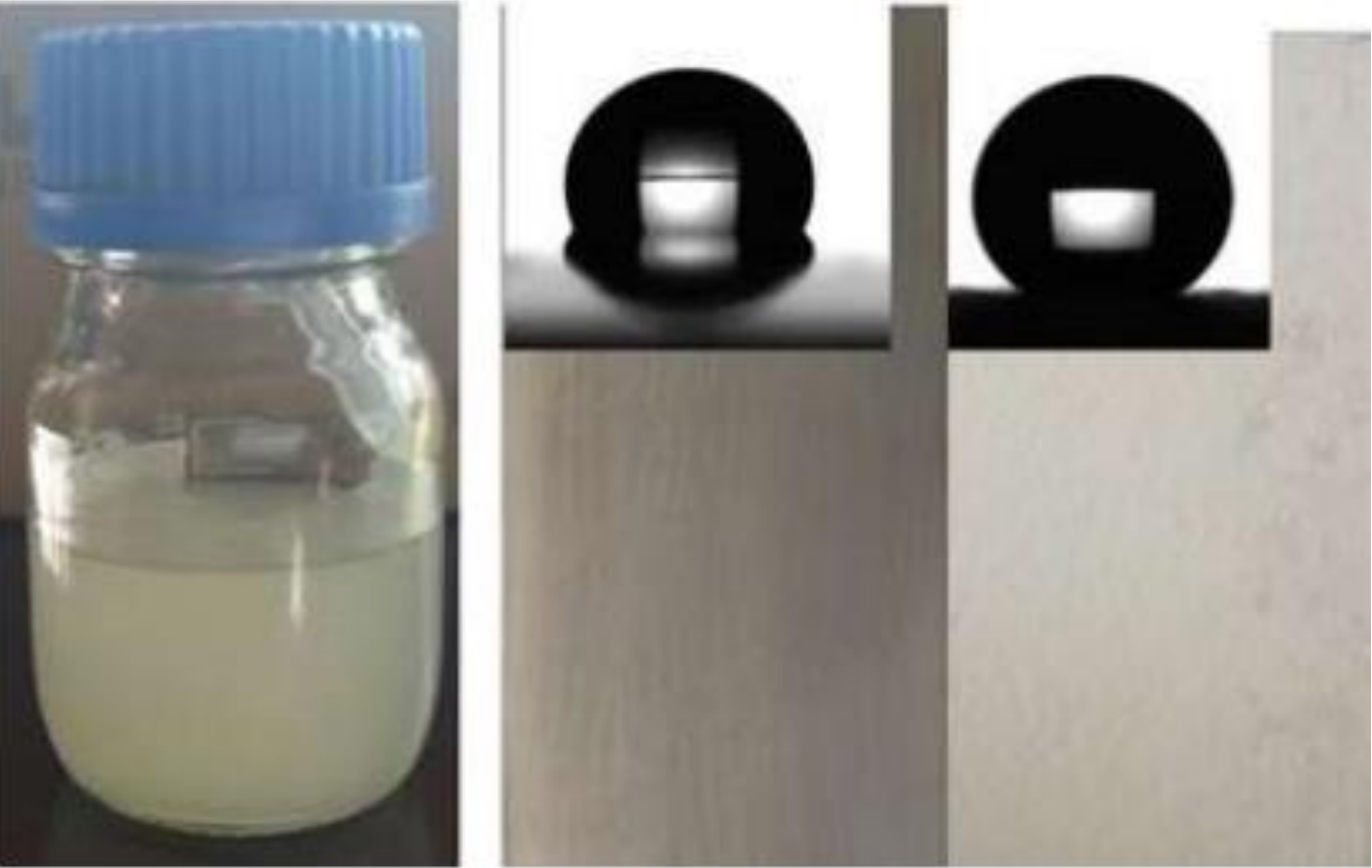
 润滑剂
润滑剂
 润滑油添加剂
 自润滑材料
自润滑材料
 密封材料
密封材料
 新兴材料
新兴材料
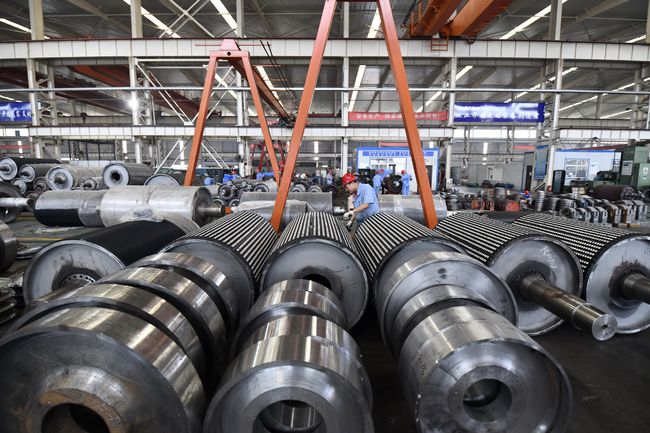 加工设备
加工设备
 摩擦试验机
摩擦试验机
 大型表征仪器
 小型测试设备