The friction and its subsequent material loss are inevitable in every sector. The periodic maintenance and breakdown of the machine tools pose a critical challenge to the product and maintenance costs. Hence, the surface modification through a tailored surface engineering approach is a commonly used practice in industries. The present study focuses on the deposition of iron aluminide (Fe3Al) and graphene composite coating, varying at three different levels on industrial-grade SS316 commonly used for pump components like pump shafts, sleeves and impellers. The coating was completed using the laser cladding technique. The microstructural analysis reveals the existence of an equiaxed cellular microstructure along with the evolution of the secondary phase cementite (Fe3C) for a graphene-rich coating variant. Further, the presence of secondary phases has been validated through XRD. The sliding wear test conducted at both low and high temperature environments explores the higher anti-wear performance of the graphene-rich coating through surface engineering. Further, the formation of a protective alumina layer in the high-temperature wear study facilitates recording a lower wear loss of 39% at 50 N normal load than at room temperature. In contrast, increased normal load causes more wear loss by damaging the protective layer, thereby promoting metal-to-metal contact. Worn-out analysis proclaims that adhesion, transformed abrasion, and pure abrasion are the dominant wear mechanisms for low- and high-temperature wear.
周老师: 13321314106
王老师: 17793132604


邮箱号码: lub@licp.cas.cn




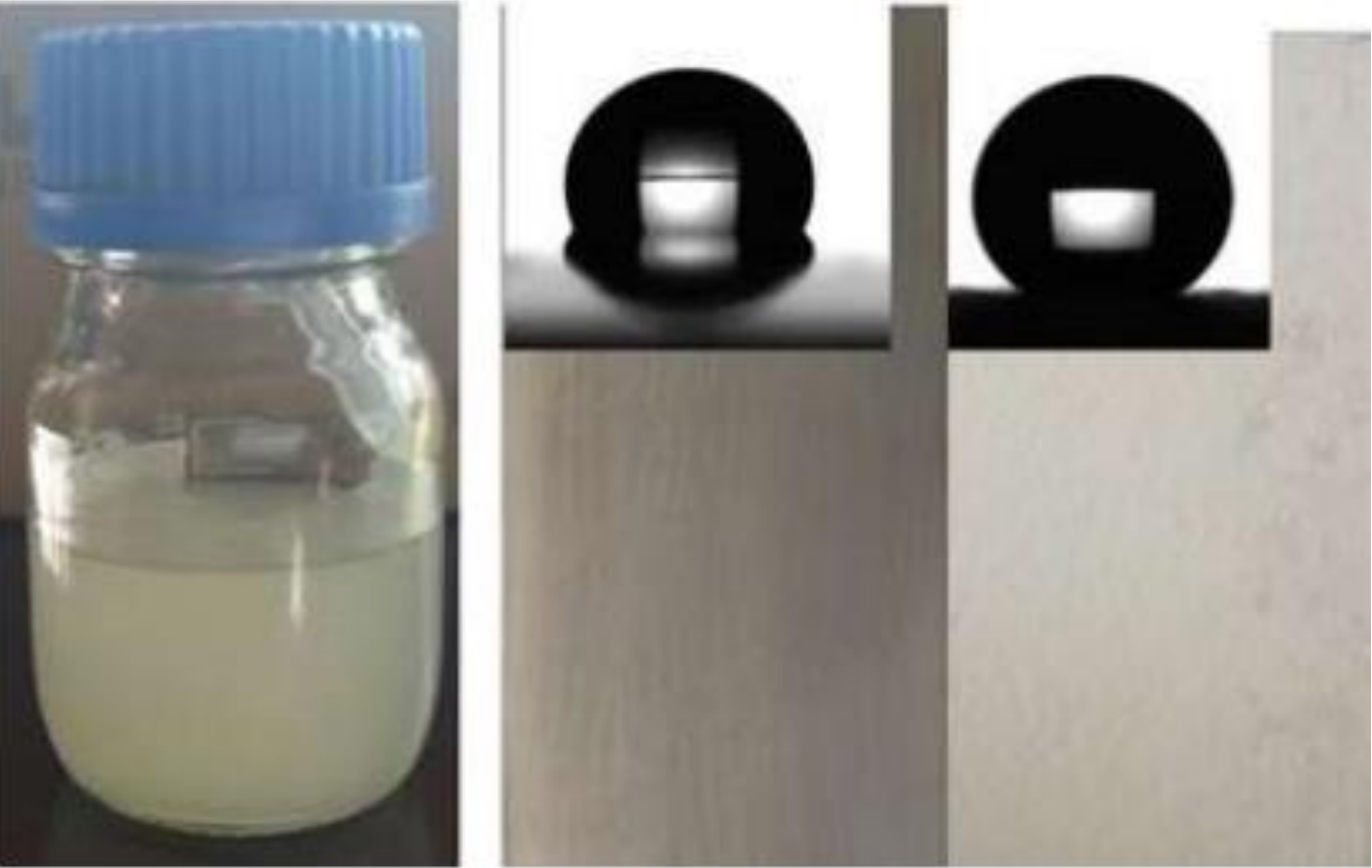
 润滑剂
润滑剂
 润滑油添加剂
 自润滑材料
自润滑材料
 密封材料
密封材料
 新兴材料
新兴材料
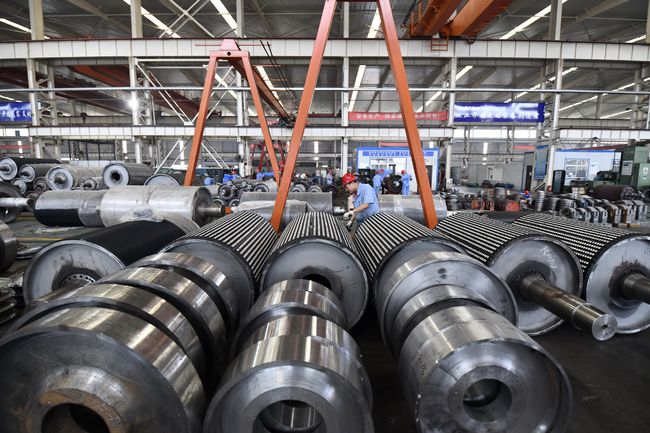 加工设备
加工设备
 摩擦试验机
摩擦试验机
 大型表征仪器
 小型测试设备