Inverted perovskite solar cells based on inorganic metal–oxide hole-transport layers (HTLs), such as nickel oxide (NiOx), have attracted considerable research interest due to their excellent stability and low-cost fabrication. However, the widely used spin coating fabrication of inorganic HTLs is often challenged by the non-uniform aggregated morphologies and incompatibility with industrial manufacture process. Here, we demonstrate a pulsed-current electrodeposition strategy to fabricate well-organized NiOx films that are composed of vertically aligned nanoflake networks. The periodic on–off electrical cycles upon electrodeposition allow the replenishment of ions at the electrode–solution interface and reduce the diffusion layer thickness, which results in nucleation and growth of the system in a well-controlled manner. The unique topography of the resulting NiOx layer gives rise to an interlocked connection at the perovskite/HTL interface with strong interfacial adhesion and superior hole-extraction capability. More importantly, solar cells based on the NiOx layer yield high power-conversion efficiencies over 25%, and maintain over 95% of their initial efficiency after operation at maximum power point under simulated AM 1.5G irradiation at 85 °C for 2130 hours.
周老师: 13321314106
王老师: 17793132604


邮箱号码: lub@licp.cas.cn




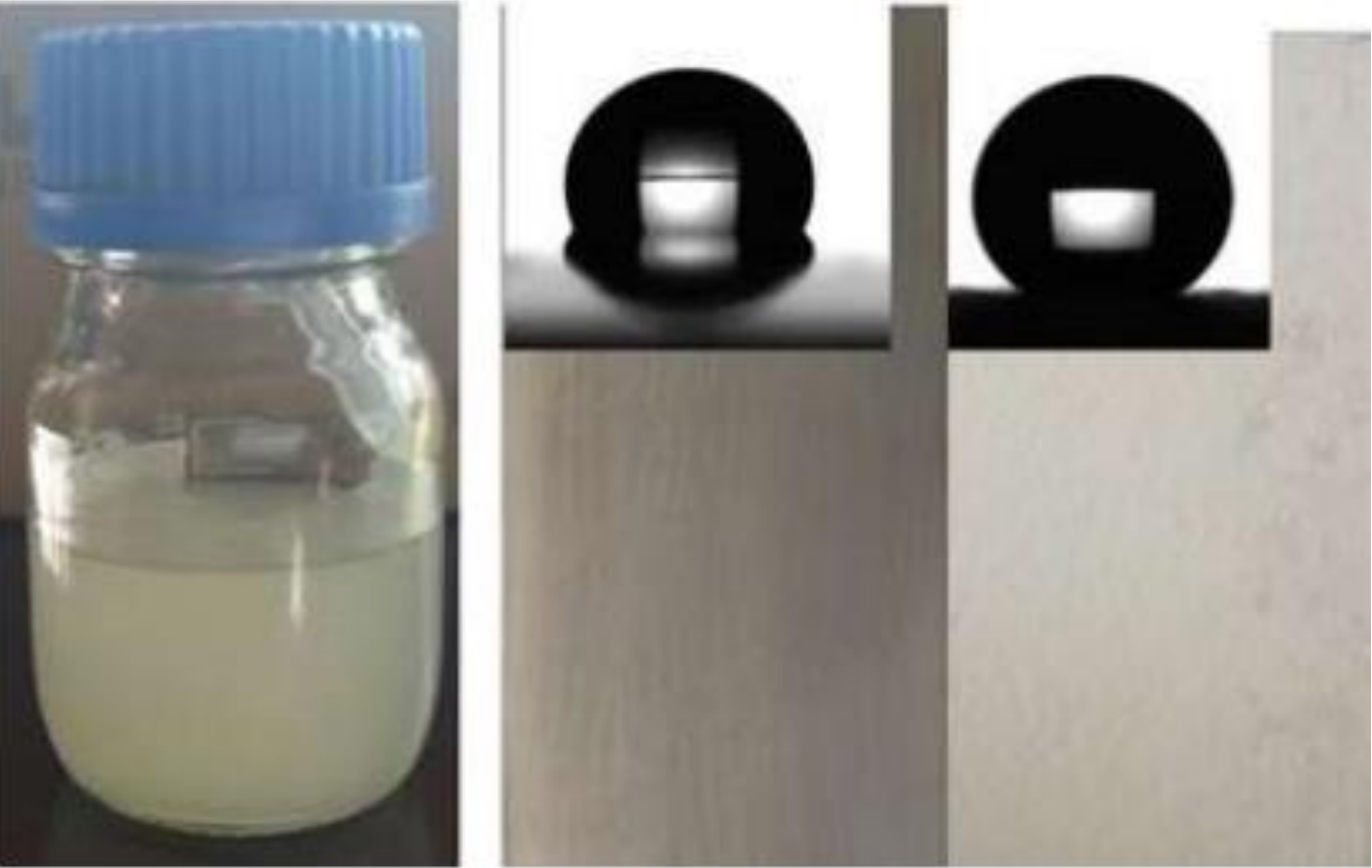
 润滑剂
润滑剂
 润滑油添加剂
 自润滑材料
自润滑材料
 密封材料
密封材料
 新兴材料
新兴材料
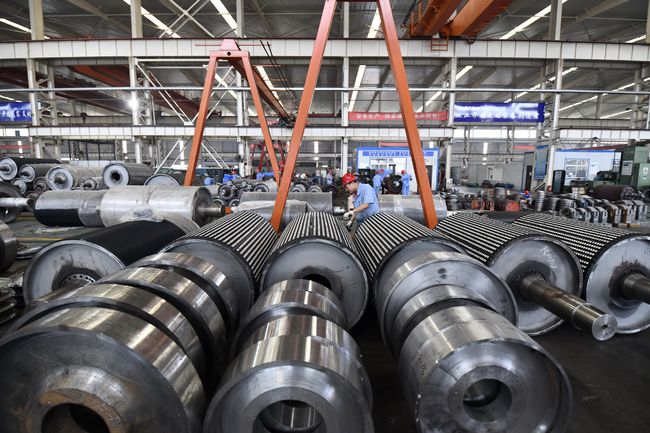 加工设备
加工设备
 摩擦试验机
摩擦试验机
 大型表征仪器
 小型测试设备