Accurate prediction of detonation performance is a critical challenge in the design and screening of energetic materials due to the complex and nonlinear interactions among their physicochemical and molecular descriptors. In this study, a comprehensive data-driven framework based on machine learning (ML) algorithms is developed to predict detonation pressure using a curated dataset of 222 distinct energetic compounds collected from the literature. The dataset was randomly divided into 155 training, 33 validation, and 34 testing samples to ensure reliable model development and unbiased performance evaluation. Eighteen input parameters, including oxygen balance, density, HOMO level, elemental composition (C, H, N, O), detonation products (CO₂, N₂, solid C), and key structural descriptors, were employed. Pearson correlation analysis revealed strong relationships between detonation pressure and oxygen balance (r = 0.87), product gas N₂ (r = 0.79), density (r = 0.64), and solid carbon (r = − 0.83). A total of fourteen machine learning models, including linear, ensemble, kernel-based, instance-based, and deep learning approaches, were systematically evaluated. Among them, Gaussian Process, Linear Regression, and Convolutional Neural Network models exhibited superior generalization performance, achieving test R² values of 0.976, 0.969, and 0.960, respectively, with mean relative deviation below 2.7%, while KNN, Decision Tree, and ANN showed weaker performance. The main contributions of this work are as follows: (i) the development of a unified ML framework integrating physicochemical, molecular, and detonation product descriptors for detonation pressure prediction; (ii) a systematic comparison of fourteen machine learning models under a consistent data-splitting strategy; (iii) the incorporation of Monte Carlo outlier detection and hyperparameter optimization to enhance model robustness; and (iv) the application of SHAP-based explainable ML to identify key governing factors and provide physically interpretable insights. Overall, the proposed framework offers a reliable and efficient tool for understanding structure–property relationships and accelerating the rational design of high-performance energetic materials.
周老师: 13321314106
王老师: 17793132604


邮箱号码: lub@licp.cas.cn





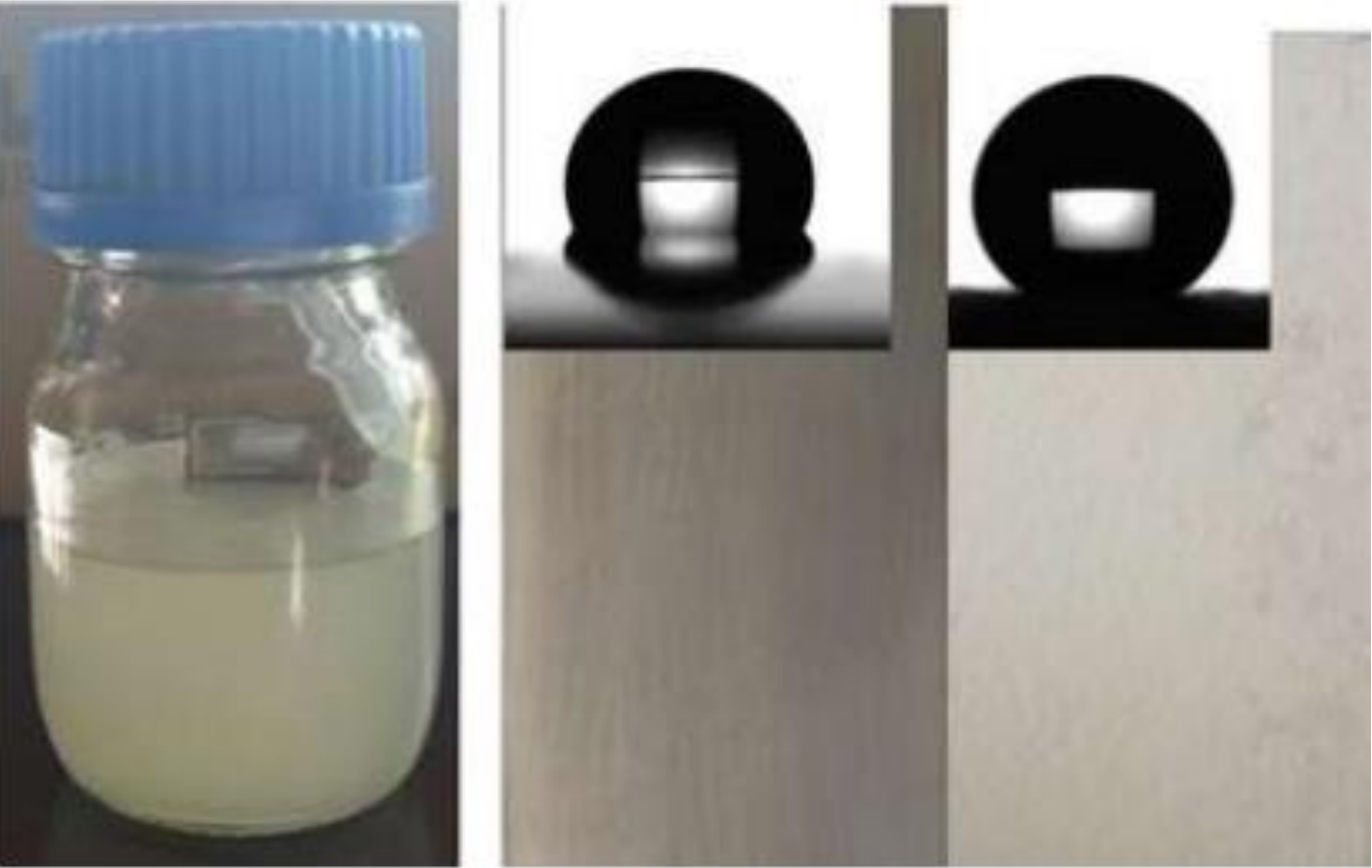
 润滑剂
润滑剂
 润滑油添加剂
 自润滑材料
自润滑材料
 密封材料
密封材料
 新兴材料
新兴材料
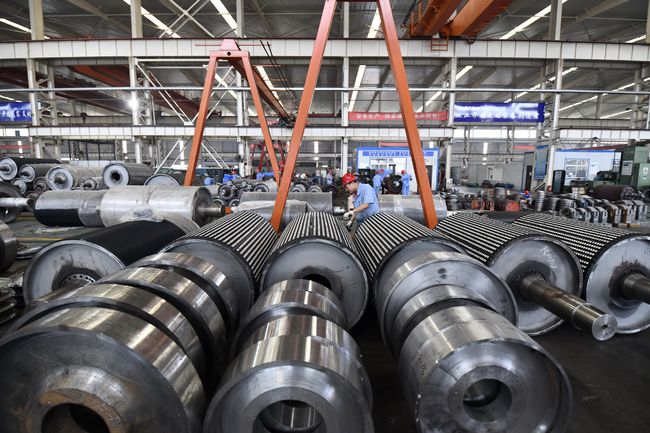 加工设备
加工设备
 摩擦试验机
摩擦试验机
 大型表征仪器
 小型测试设备