An atmospheric pressure plasma jet (APPJ) is an emerging technique capable of synthesising ligand-free nanosized composites with controllable configuration ratios. Here, an APPJ is used to synthesise and directly deposit CuOx–Ag for the electrocatalytic CO2 reduction reaction (CO2RR). The morphology of CuOx–Ag composites evolves from Janus-type to core–shell with higher Cu : Ag precursor ratios. When applied in CO2RR catalysis, the nanoparticle configuration appears to matter more than the exact Cu : Ag composition. The core–shell arrangement is found to exhibit higher C2+ production than the Janus-type structure, attributed to its ability to retain a larger Cu–Ag interfacial area during the CO2RR. Thorough pre- and post-catalysis electron microscopy investigations revealed that Cu–Ag pairing likely resulted in selective oxidation of Cu, resulting in a strained Cu2O–Ag epitaxial relationship that can be retained in the reduced Cu–Ag during the CO2RR. Using electrochemical methods as convenient “probes” to rationalise CO2RR activity, we found ECSA and EIS measurements to be ineffective in predicting CO2RR product selectivity. Instead, surface charge estimated using a modified pulse voltammetry technique is more suitable, where distinct behaviour between Ag- and Cu-containing catalysts can be observed. Due to severe reconstruction during catalysis, having a core–shell configuration is found to be more beneficial for catalytic performance than the initial composition. Beyond Cu–Ag, we believe that the findings are relevant to many other multi-component catalysts with immiscible constituents.
周老师: 13321314106
王老师: 17793132604


邮箱号码: lub@licp.cas.cn




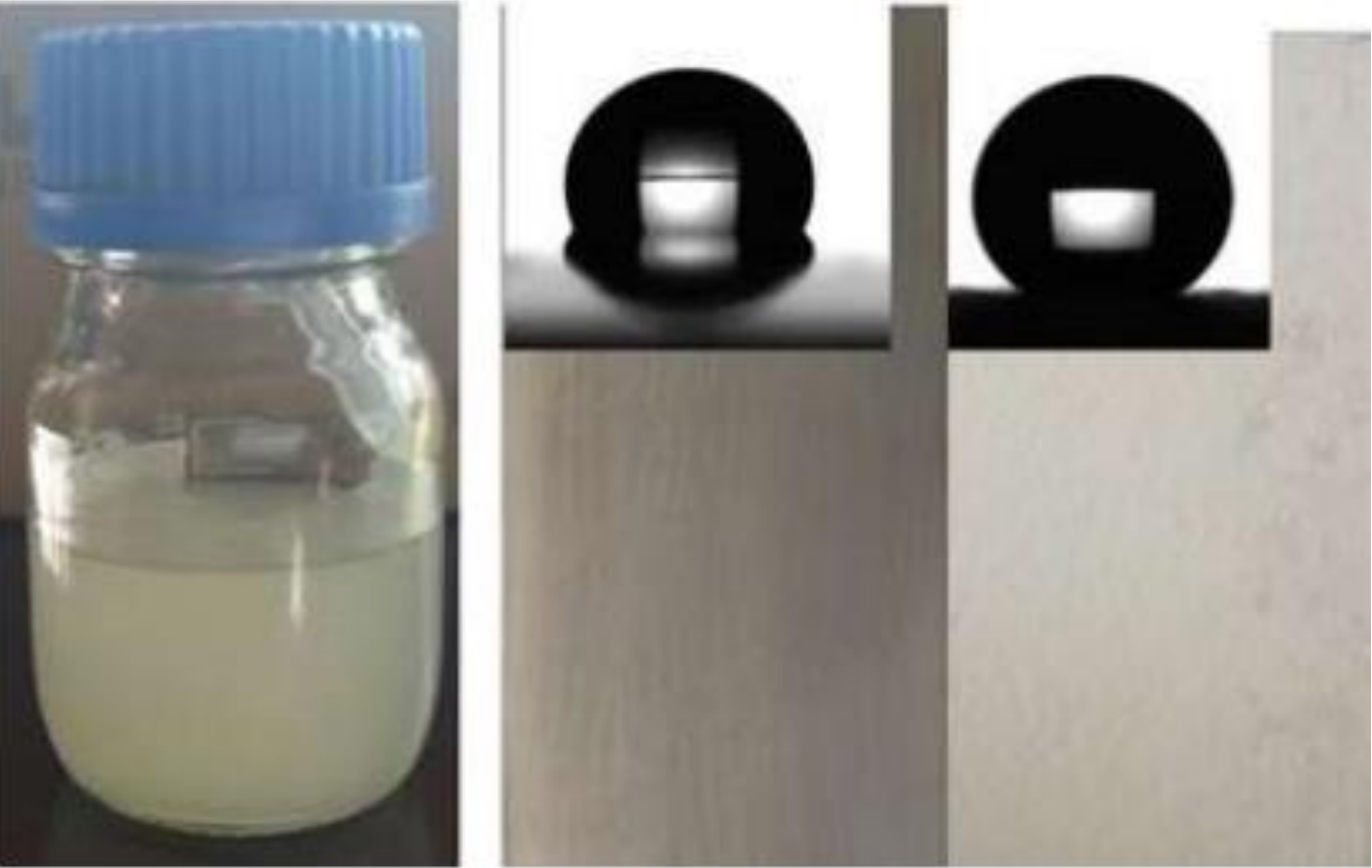
 润滑剂
润滑剂
 润滑油添加剂
 自润滑材料
自润滑材料
 密封材料
密封材料
 新兴材料
新兴材料
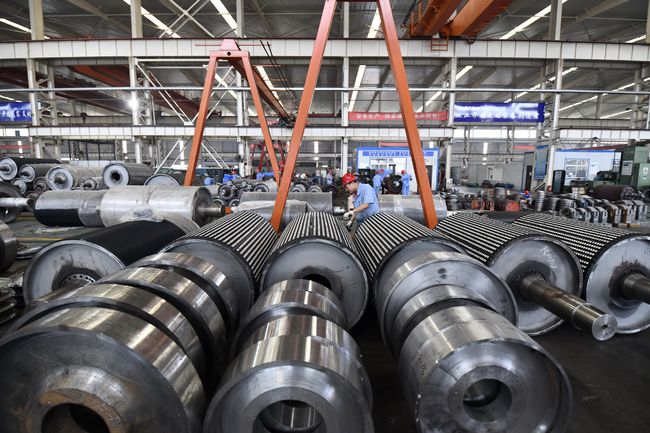 加工设备
加工设备
 摩擦试验机
摩擦试验机
 大型表征仪器
 小型测试设备