With the rapid development of space engineering, the in-orbit service life and reliability of spacecraft have become core issues. The stable operation of precision moving components relies heavily on the performance of lubricating materials under complex space conditions. This review summarizes the effects of the in-orbit environment on typical solid lubricant thin films and the progress of ground-based experimental studies. First, the challenges imposed by the space environment on traditional solid lubricants are described, emphasizing the necessity of ground simulations. Next, representative international in-orbit tribology platforms—including ESA’s TriboLAB, NASA’s MISSE series, JAXA’s ExHAM, and the extravehicular exposure facilities of the Chinese Space Station—are highlighted alongside ex situ analysis methods. Then, ground-based simulation techniques are reviewed, covering vacuum tribometers with in situ coupled irradiation and multi-factor sequential experiments, while analyzing material behavior under simulated atomic oxygen, ultraviolet, and high-energy particles. Finally, future directions are proposed: developing simulation platforms with multi-environment coupling and in situ monitoring, establishing calibration systems between ground and in-orbit tests, and designing intelligent lubricants with attributes such as low-friction, high radiation resistance, ultra-long lifetime, and self-healing performance.
周老师: 13321314106
王老师: 17793132604


邮箱号码: lub@licp.cas.cn




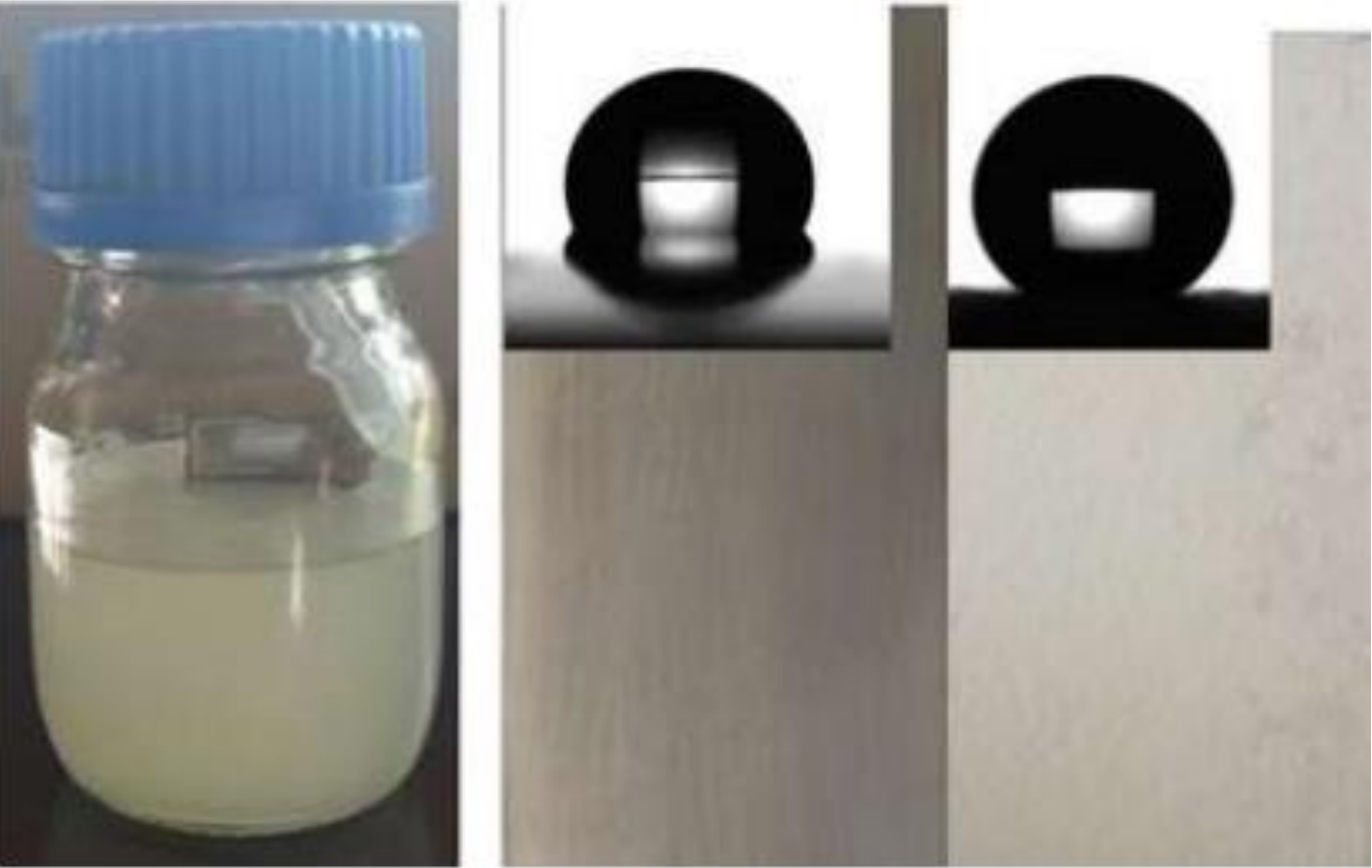
 润滑剂
润滑剂
 润滑油添加剂
 自润滑材料
自润滑材料
 密封材料
密封材料
 新兴材料
新兴材料
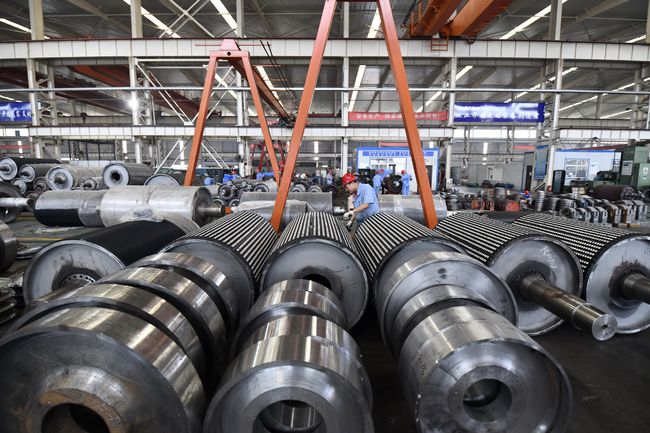 加工设备
加工设备
 摩擦试验机
摩擦试验机
 大型表征仪器
 小型测试设备