Atomic doping is a promising strategy for tuning the tribological properties of two-dimensional (2D) layered materials. However, the correlation between frictional behavior and doping concentration remains to be systematically investigated. In this study, the dependence of interlayer frictional properties on doping concentration in nitrogen‑doped bilayer graphene was investigated, with the doping concentration ranging from 0 to 25%. The results demonstrate that the interlayer friction barrier exhibits an obvious nonmonotonic variation trend. Specifically, as the doping concentration increases, the friction decreases gradually until approximately 8%, beyond which it transitions to an increasing tendency. The friction attains its maximum value at a doping concentration of 12.5%, followed by a subsequent reduction and reaches a local minimum at 23%, after which it reverts to an increasing trend. This nonmonotonic evolution is mainly attributed to the modulation of interlayer π‑π stacking interactions induced by doping, which effectively alters the corrugation of interlayer spacing and the interlayer sliding barrier along the sliding path. The results suggest that certain doping concentrations may facilitate conditions favorable for “superlubricity.” This study deepens the understanding of tailoring surface tribological characteristics through atomic doping strategies.
周老师: 13321314106
王老师: 17793132604


邮箱号码: lub@licp.cas.cn




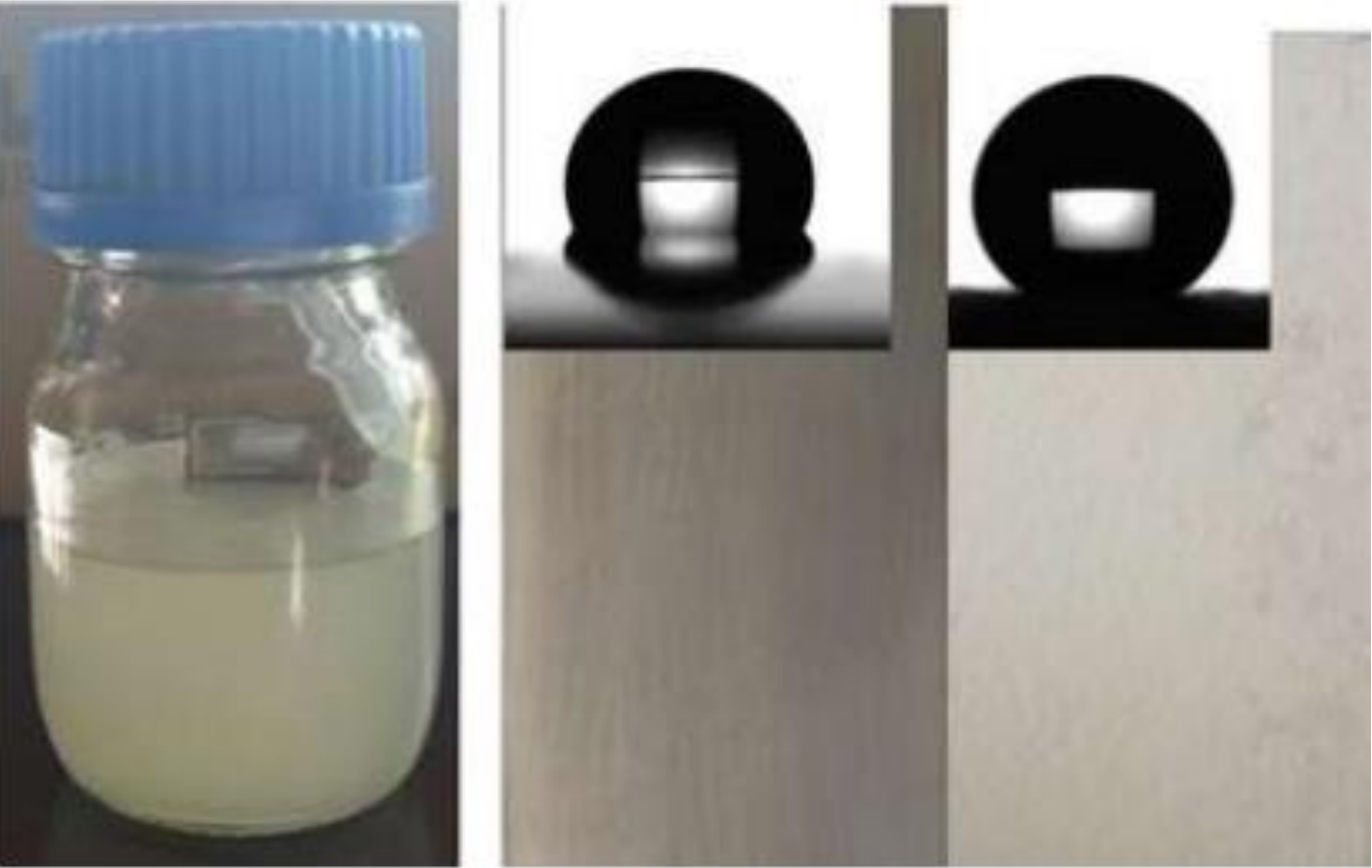
 润滑剂
润滑剂
 润滑油添加剂
 自润滑材料
自润滑材料
 密封材料
密封材料
 新兴材料
新兴材料
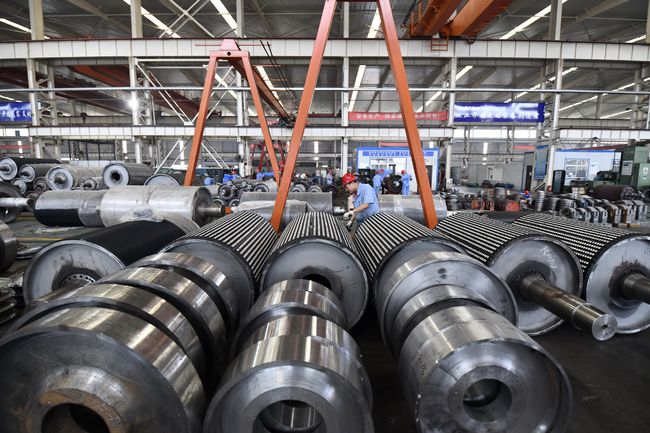 加工设备
加工设备
 摩擦试验机
摩擦试验机
 大型表征仪器
 小型测试设备