The nonuniform wheel temperature rise of freight wagon wheel during tread braking increases the complexity of wheel–rail contact and invalidates the conventional contact theories. To address this, a three-dimensional fully coupled thermo-mechanical finite element model is developed, implementing an efficient method to resolve the incompatibility in mesh size and time increment of wheel–brake shoe and wheel–rail contact. The transient wheel–rail rolling contact during the entire braking process is investigated in detail, and the thermal effect is quantified. The results show a 24% increase in contact area, as the maximum normal contact stress decreases by 9% and the tangential contact stress remains relatively stable during tread braking. The normal and tangential contact stresses exhibit dependency on the subsurface thermal softening and surface temperature, respectively, which necessitates consideration of the full temperature field, rather than only the surface temperature of the wheel, in the wheel–rail normal contact solution. The circumferential and longitudinal distributions of residual temperature on the wheel and rail can be fitted to exponential functions, indicating a maximum wheel temperature decrease of 36 ℃ for a wheel revolution and a maximum rail temperature increase of 45 ℃ for one wheelbase passage.
周老师: 13321314106
王老师: 17793132604


邮箱号码: lub@licp.cas.cn





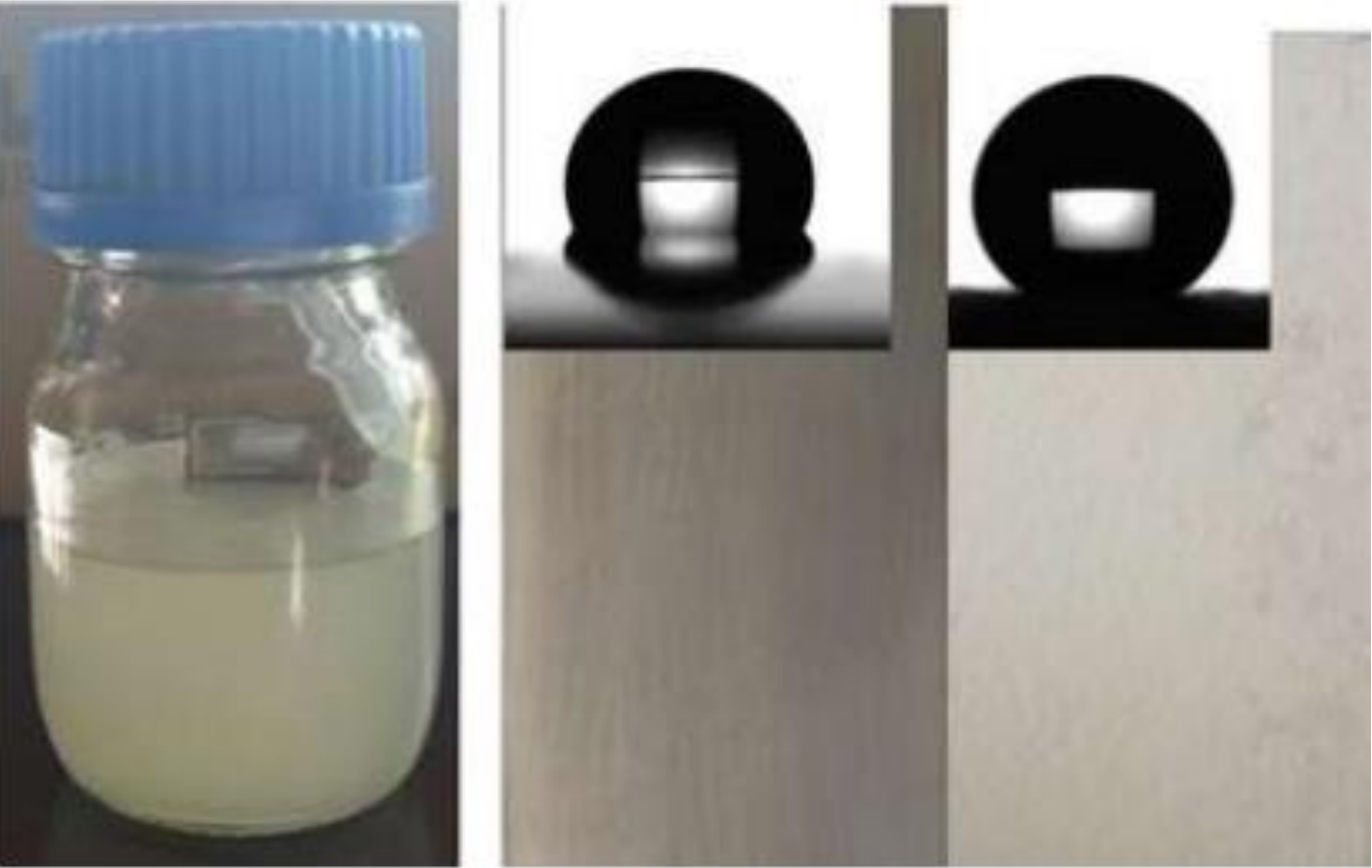
 润滑剂
润滑剂
 润滑油添加剂
 自润滑材料
自润滑材料
 密封材料
密封材料
 新兴材料
新兴材料
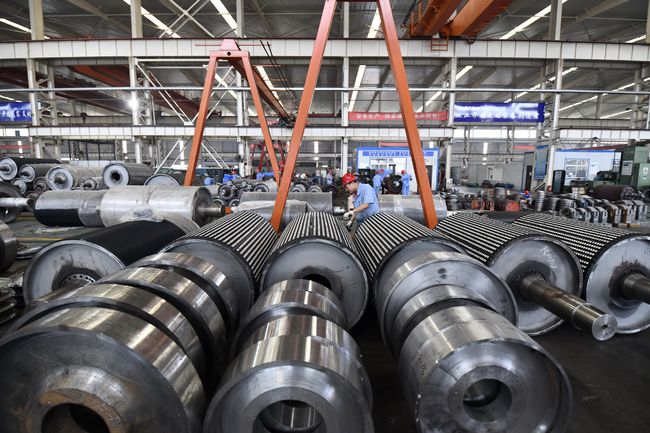 加工设备
加工设备
 摩擦试验机
摩擦试验机
 大型表征仪器
 小型测试设备