The control of frictional losses in the drivetrains of electrified vehicles is a key factor in ensuring their long-term reliability and improving their efficiency, thereby contributing to the reduction of carbon emissions. To achieve this, friction modifiers are added to transmission lubricants to control friction between moving parts. However, their behavior under electrical stress, which may be induced by stray currents in electric powertrains, remains poorly understood. In this work, a ball-on-disc tribometer equipped to apply a controlled direct current was used to compare the performance of an organic amide-ester ashless friction modifier and molybdenum dialkyldithiocarbamate (MoDTC) under electrified and non-electrified conditions. The influence of current intensity on the coefficient of friction (CoF) and wear at the ball–disk interface was systematically assessed. The results show that, compared with MoDTC, the amide-ester OFM is more sensitive to the presence of electrical current. From an applied current of 0.05 A, an increase in both friction and wear is observed. By contrast, MoDTC maintains a CoF close to that obtained under zero-current conditions up to 0.4 A, with only slight wear detected. At 0.5 A, MoDTC initially fails to provide low friction; however, after a running-in period, the CoF drops sharply and returns to the level measured in non-electrified tests. SEM–EDX and XPS analyses suggest that this transient increase in CoF arises from the oxidation of MoS₂ under high current, whereas a pre-formed MoS2 tribofilm can withstand electrical stress, maintaining stable low friction and significantly limiting wear.
周老师: 13321314106
王老师: 17793132604


邮箱号码: lub@licp.cas.cn




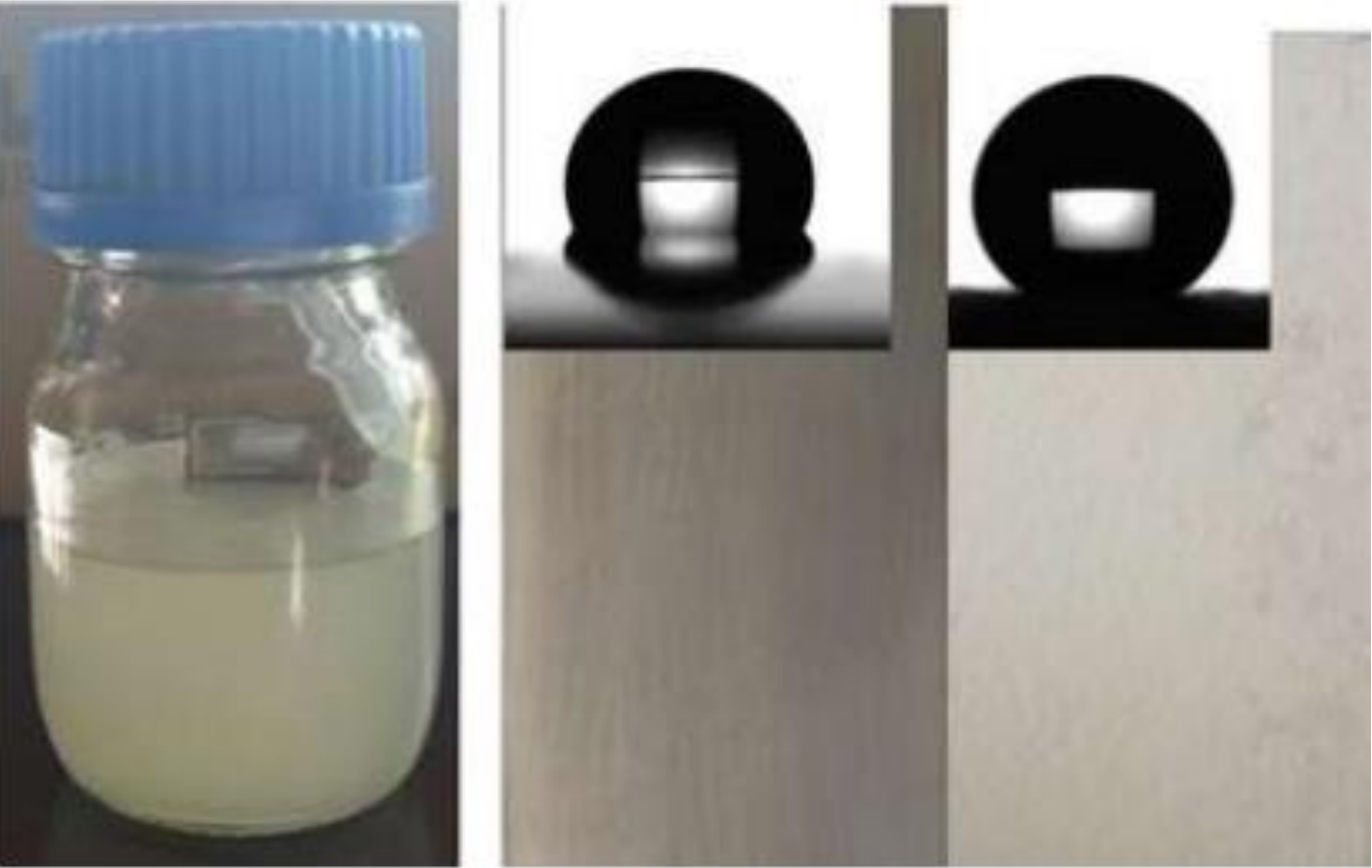
 润滑剂
润滑剂
 润滑油添加剂
 自润滑材料
自润滑材料
 密封材料
密封材料
 新兴材料
新兴材料
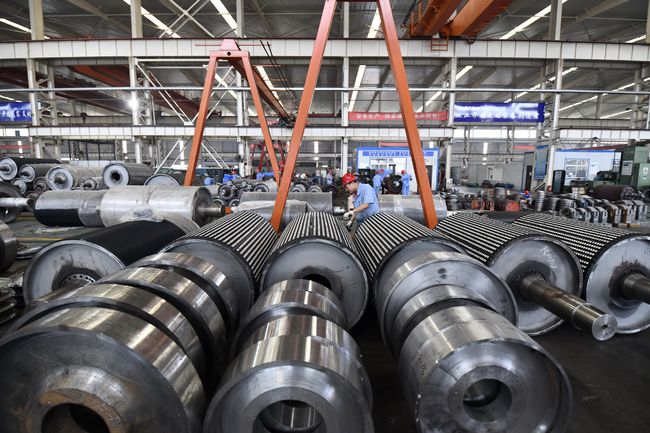 加工设备
加工设备
 摩擦试验机
摩擦试验机
 大型表征仪器
 小型测试设备