Abstract This article examines the problem of increasing the wear resistance of materials. The primary objective of the study was to experimentally validate the effectiveness of 3D-printed porous polymer structures impregnated with lubricant to improve tribological performance by retaining the lubricant within the pores without chemical interaction with the base material. Experimental samples were fabricated from two types of polymers: polylactide (PLA) and acrylonitrile butadiene styrene (ABS), with a fill density of 90%. The samples were then impregnated with I-20 industrial oil and tested on an SMT-1 friction rig according to standard procedures. The macroscopic structure of the samples was simultaneously examined using an optical microscope. It was found that impregnation of the samples with industrial oil resulted in improved tribological performance compared to friction without lubrication. However, the PLA plastic samples exhibited a decrease in the friction coefficient of approximately 12%, while the ABS samples demonstrated a decrease of approximately 60%. This is due to the specific distribution of lubricant within the porous structure of polymers. Although the PLA sample contained 38% more oil than the ABS sample, it was bound, preventing its release in the friction zone. For the PLA sample, the friction coefficient was comparable to that of a bath-lubricated sample. These results demonstrate that the incorporation of porous structures created by 3D printing, followed by impregnation with lubricant, is an effective way to reduce wear and improve the performance of polymeric materials.
周老师: 13321314106
王老师: 17793132604


邮箱号码: lub@licp.cas.cn




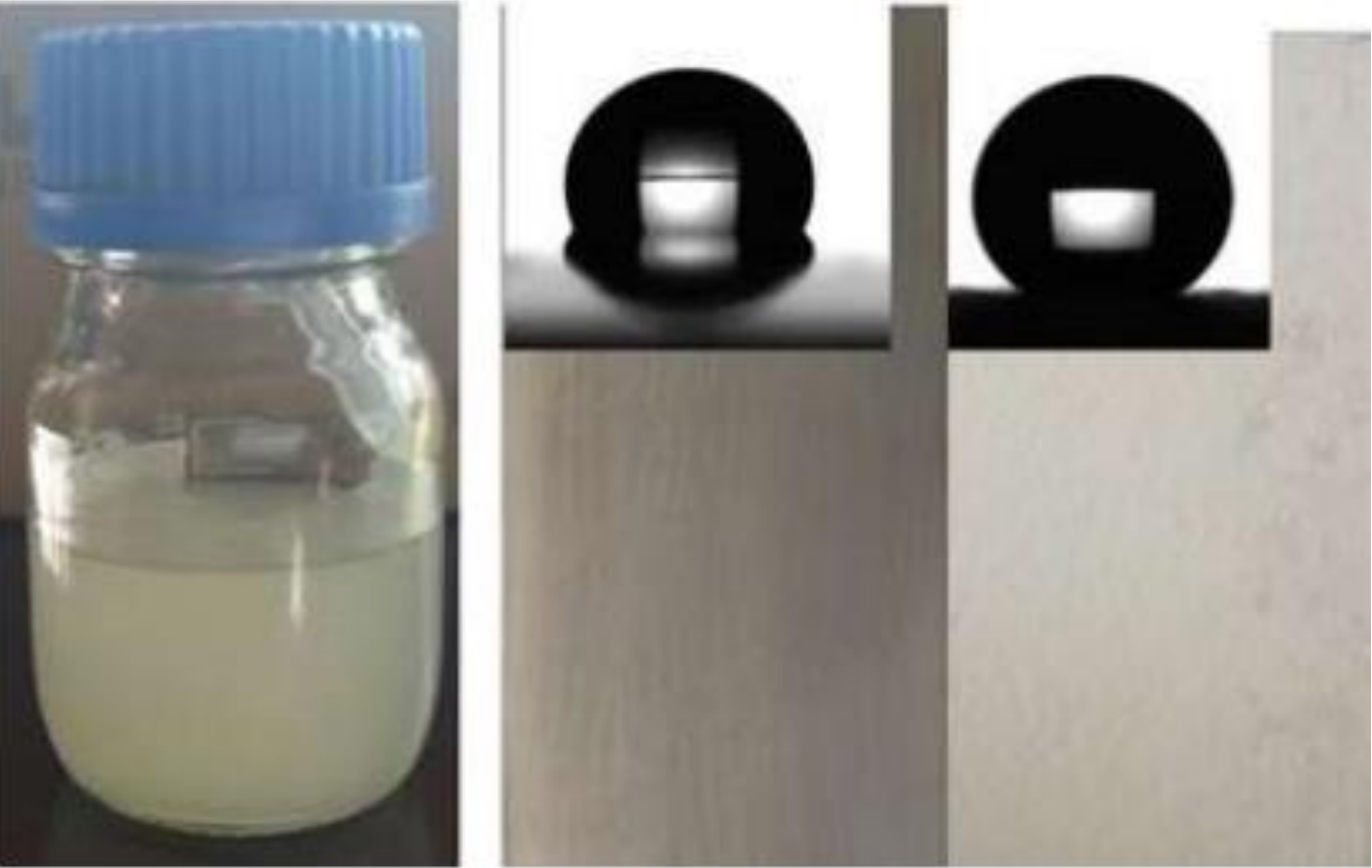
 润滑剂
润滑剂
 润滑油添加剂
 自润滑材料
自润滑材料
 密封材料
密封材料
 新兴材料
新兴材料
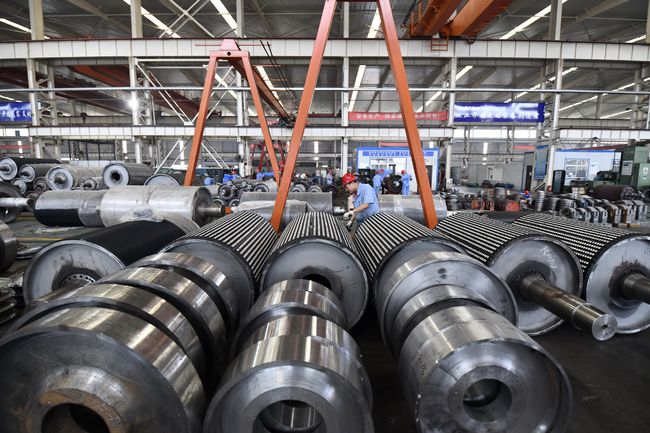 加工设备
加工设备
 摩擦试验机
摩擦试验机
 大型表征仪器
 小型测试设备