Leveraging transition metal catalysis to direct multiple radical intermediates towards a single desired product offers many synthetic opportunities while presenting an important chemoselectivity challenge arising from selectivity in radical capture by the catalyst. How mechanistic design precisely tunes this selectivity remains limited, constraining the rational design of efficient catalytic systems. Here we demonstrate that the electronic bias of the radical intermediates and the ligand-modulated copper centre can be strategically harnessed to control the selectivity of copper-mediated radical capture. A strongly π-accepting terpyridine ligand modulates the electronic properties of the copper catalyst, enabling the selective capture of radical intermediates with complementary polarity through a metal–radical polarity-match mechanism. Building on this mechanistic framework, we have established a synthetically powerful, yet highly challenging ethylene 1,2-dicarbofunctionalization. This provides streamlined access to structurally diverse, medicinally relevant 1,2-dicarbofunctionalized ethanes that incorporate sp3-, sp2- and sp-hybridized carbogenic functional groups while offering mechanistic insights and design principles that facilitate the rational design of transition metal-catalysed radical transformations.
周老师: 13321314106
王老师: 17793132604


邮箱号码: lub@licp.cas.cn




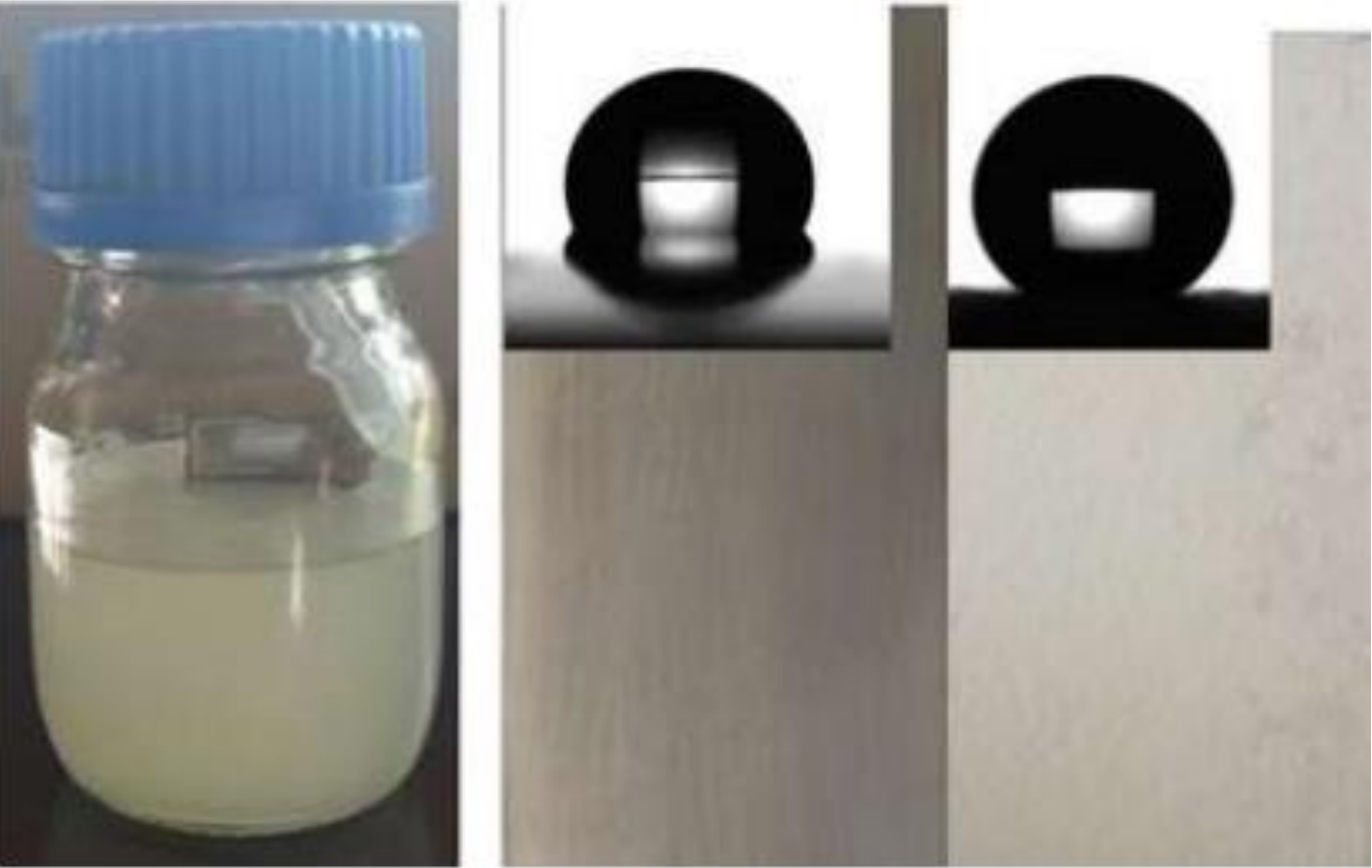
 润滑剂
润滑剂
 润滑油添加剂
 自润滑材料
自润滑材料
 密封材料
密封材料
 新兴材料
新兴材料
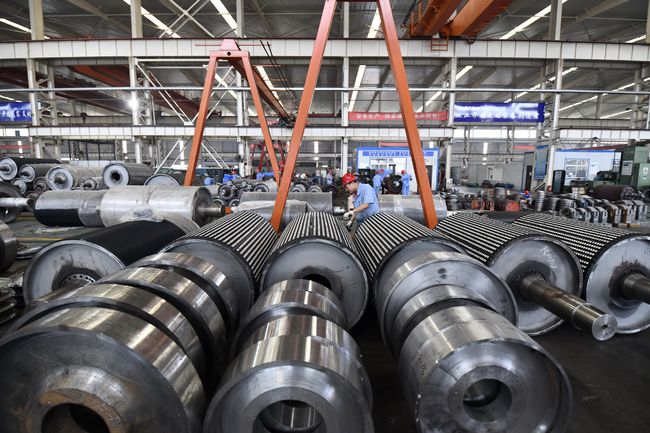 加工设备
加工设备
 摩擦试验机
摩擦试验机
 大型表征仪器
 小型测试设备