Direct air capture of carbon dioxide has been limited by the energy-intensive thermal regeneration of adsorbents imposed by the low CO2 uptake capacity, high regeneration temperature and parasitic water evaporation. Herein, we demonstrated a class of thermo-responsive CO2 adsorbents—PEI impregnated PNIPAM-grafted cellulose network (TRCNF/PEI)—achieving a high CO2 uptake of 2.82 mmol g−1 at 25 °C and 4.33 mmol g−1 at 5 °C from air and low regeneration temperature below 65 °C. The thermo-responsive adsorbent features a lower critical solution temperature (LCST) phase transition that enables a swell-adsorption/collapse-desorption mechanism. At room temperature, TRCNF/PEI is at a hydrophilic swollen state, effectively exposing the PEI amine sites for efficient CO2 capture. Above LCST, it transitions to a hydrophobic collapsed state. Water is expelled in the liquid phase, destabilizing bicarbonate intermediates and thereby driving rapid CO2 desorption. This obviated the latent heat penalty of water, leading to an unprecedentedly low regeneration thermal energy demand of 4.36 GJ ton−1CO2 that can be satisfied solely by low-grade waste heat. Unlike zeolite-activated carbons and MOFs that are vulnerable to high humidity, where liquid water inhibits CO2 uptake due to competitive adsorption, TRCNF/PEI leverages water to enhance adsorption and exhibits exceptional cyclic stability. Notably, the CO2 uptake of TRCNF/PEI further increases at lower temperatures (4.33 mmol g−1 at 5 °C), demonstrating its carbon capture potential in cold areas. The unique LCST phase transition presents a transformative strategy to couple DAC with vast low-grade industrial waste heat, significantly advancing the energy efficiency and durability of carbon removal technologies.
周老师: 13321314106
王老师: 17793132604


邮箱号码: lub@licp.cas.cn




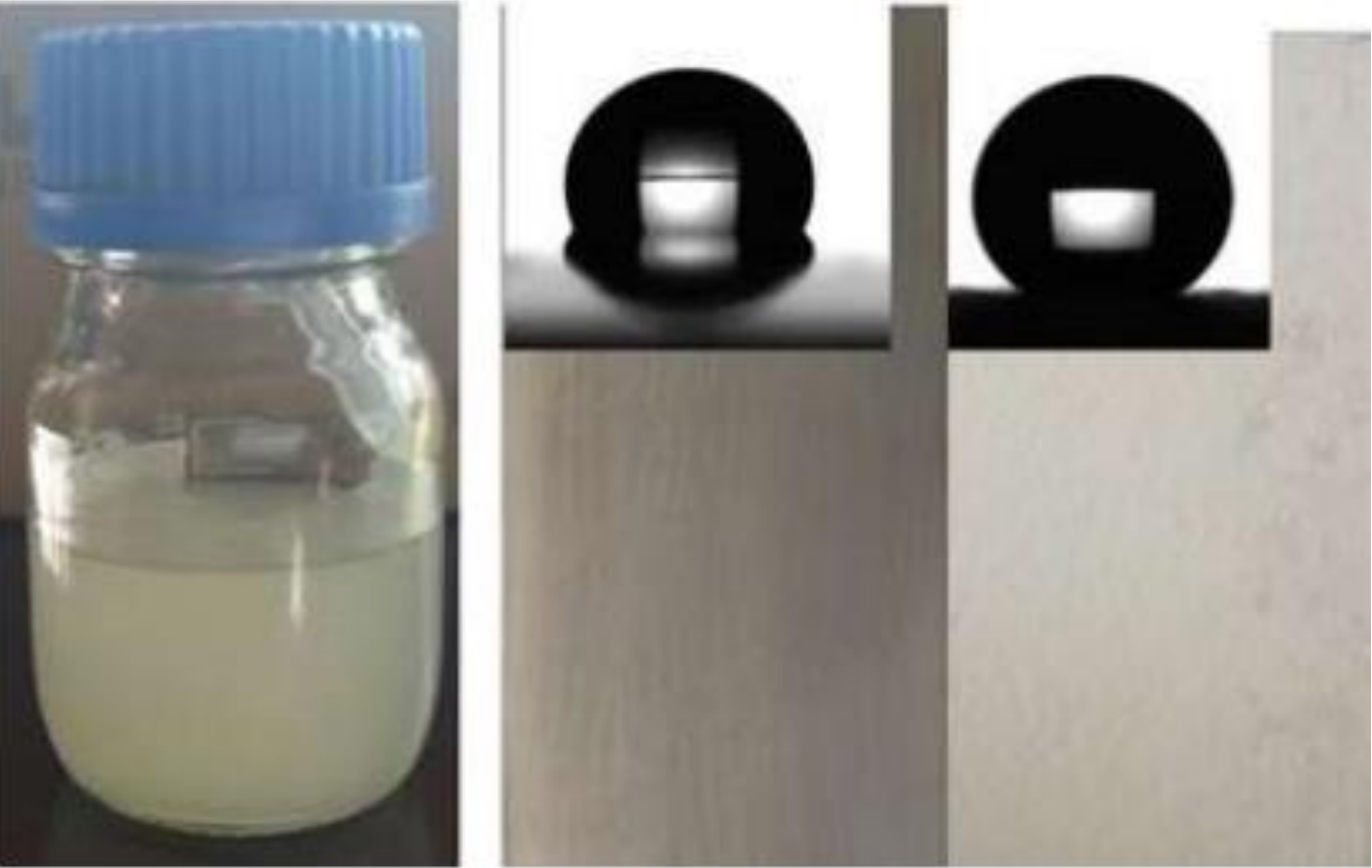
 润滑剂
润滑剂
 润滑油添加剂
 自润滑材料
自润滑材料
 密封材料
密封材料
 新兴材料
新兴材料
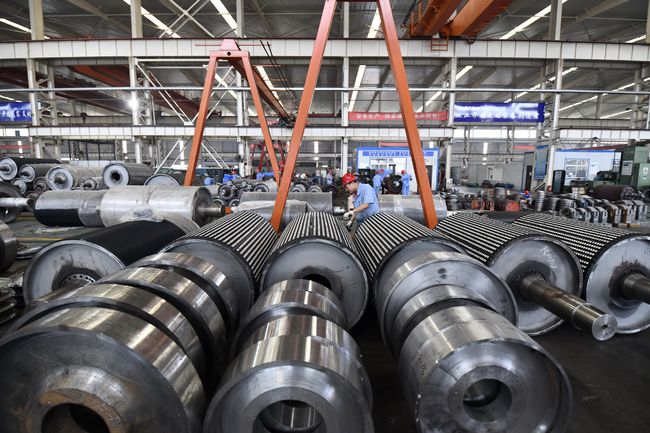 加工设备
加工设备
 摩擦试验机
摩擦试验机
 大型表征仪器
 小型测试设备