The study of the small-strain stiffness of soil is important for analyzing the deformation of ground and geotechnical structures. Nevertheless, the damage behavior and the predicted model of the small-strain shear modulus Gmax for expansive soils subjected to multiple wetting–drying cycles have rarely been investigated. In this study, bender element tests were conducted on unsaturated expansive soils with different initial void ratios subjected to repeated wetting–drying cycles to elucidate the degradation behavior of the small-strain shear modulus. Subsequently, a new damage-based small-strain shear modulus prediction model for expansive soils was proposed and validated. The experimental findings demonstrate significant degradation in Gmax of expansive soils under wetting–drying cycles, primarily following the first cycle. More importantly, a unified dependence of Gmax on the evolution of matric suction is established across different cycles. X-ray CT analyses reveal the underlying microstructural shift from a particle-dominated fabric to a crack-connected network. Based on this, a damage-based model is proposed that links Gmax degradation directly to the air–entry value evolution of the soil–water characteristic curve. The model is validated with a prediction determination coefficient exceeding 0.90. Its key strength lies in the ability to predict Gmax without requiring prior knowledge of the number of wetting–drying cycles, providing a practical and reliable tool for engineering assessments under uncertain cyclic histories.
周老师: 13321314106
王老师: 17793132604


邮箱号码: lub@licp.cas.cn




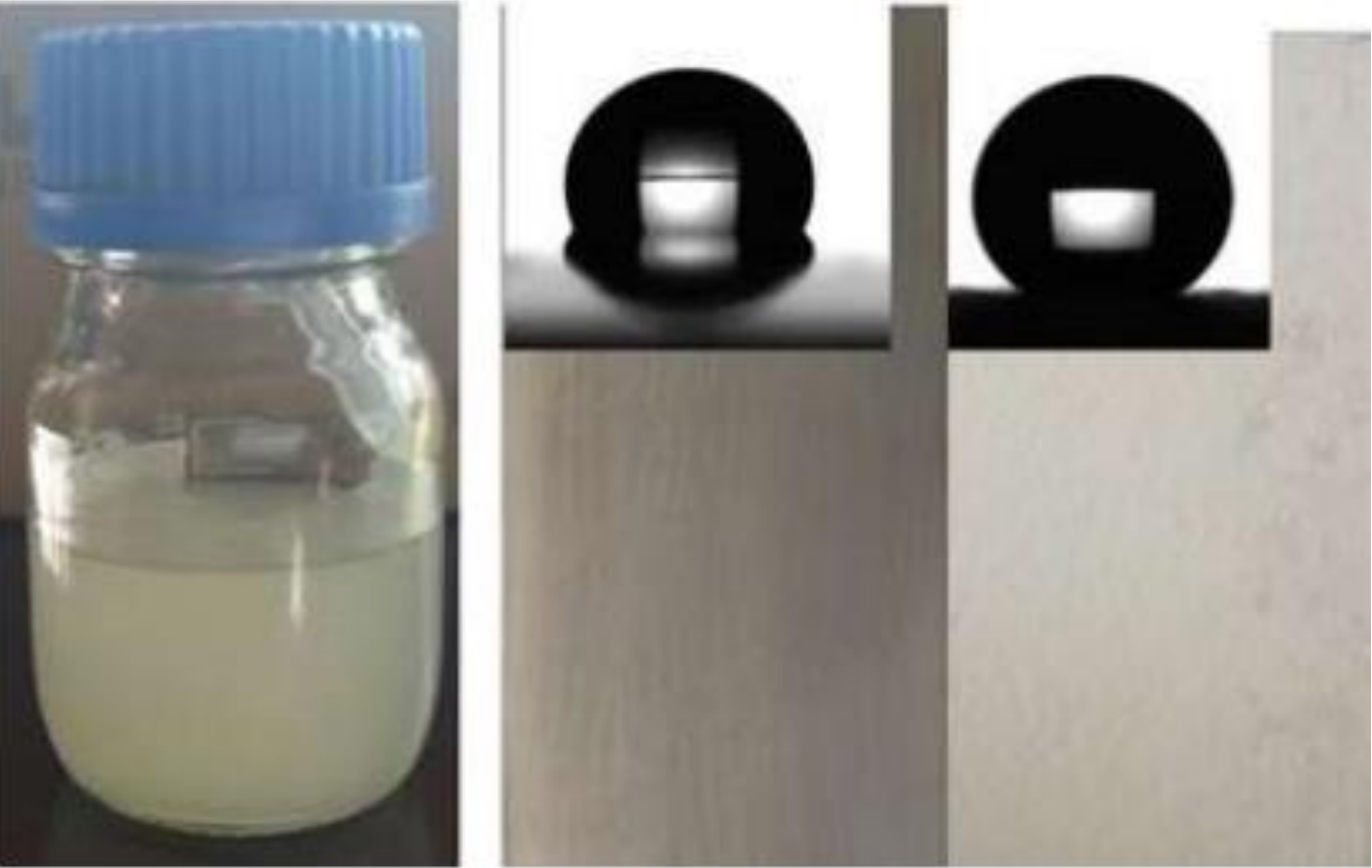
 润滑剂
润滑剂
 润滑油添加剂
 自润滑材料
自润滑材料
 密封材料
密封材料
 新兴材料
新兴材料
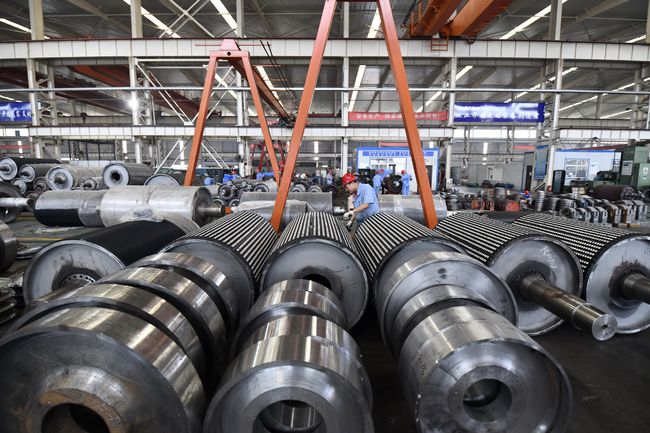 加工设备
加工设备
 摩擦试验机
摩擦试验机
 大型表征仪器
 小型测试设备