This study employs molecular dynamics simulations to systematically investigate the mechanical properties of graphyne (GY) reinforced copper and silver nanocomposites, focusing on the critical role of metal substrate orientation. We constructed models where single-layer GY is integrated with Cu and Ag substrates along three principal crystallographic orientations: (100), (110), and (111). The thermal stability and atomic structure were characterized using mean square displacement and radial distribution function analyses. Uniaxial tensile tests were performed along both x- and y-directions to evaluate key mechanical properties, including ultimate tensile strength, fracture strain, and deformation behavior. Computational results reveal that the mechanical performance is highly anisotropic and dependent on both the metal type and substrate orientation. Significantly, the GY/Cu (111) nanocomposite exhibits superior mechanical strength along x-direction, while GY/Ag (110) demonstrates optimal performance along y-direction. Furthermore, a unique fracture mechanism was identified in the GY/Cu (111) system. This work establishes that substrate orientation governs interfacial load transfer and dislocation dynamics, with GY/Cu (111) and GY/Ag (110) identified as optimal for directional strength. These findings provide crucial insights for the design of high-performance GY-metal nanocomposites for advanced engineering applications.
周老师: 13321314106
王老师: 17793132604


邮箱号码: lub@licp.cas.cn




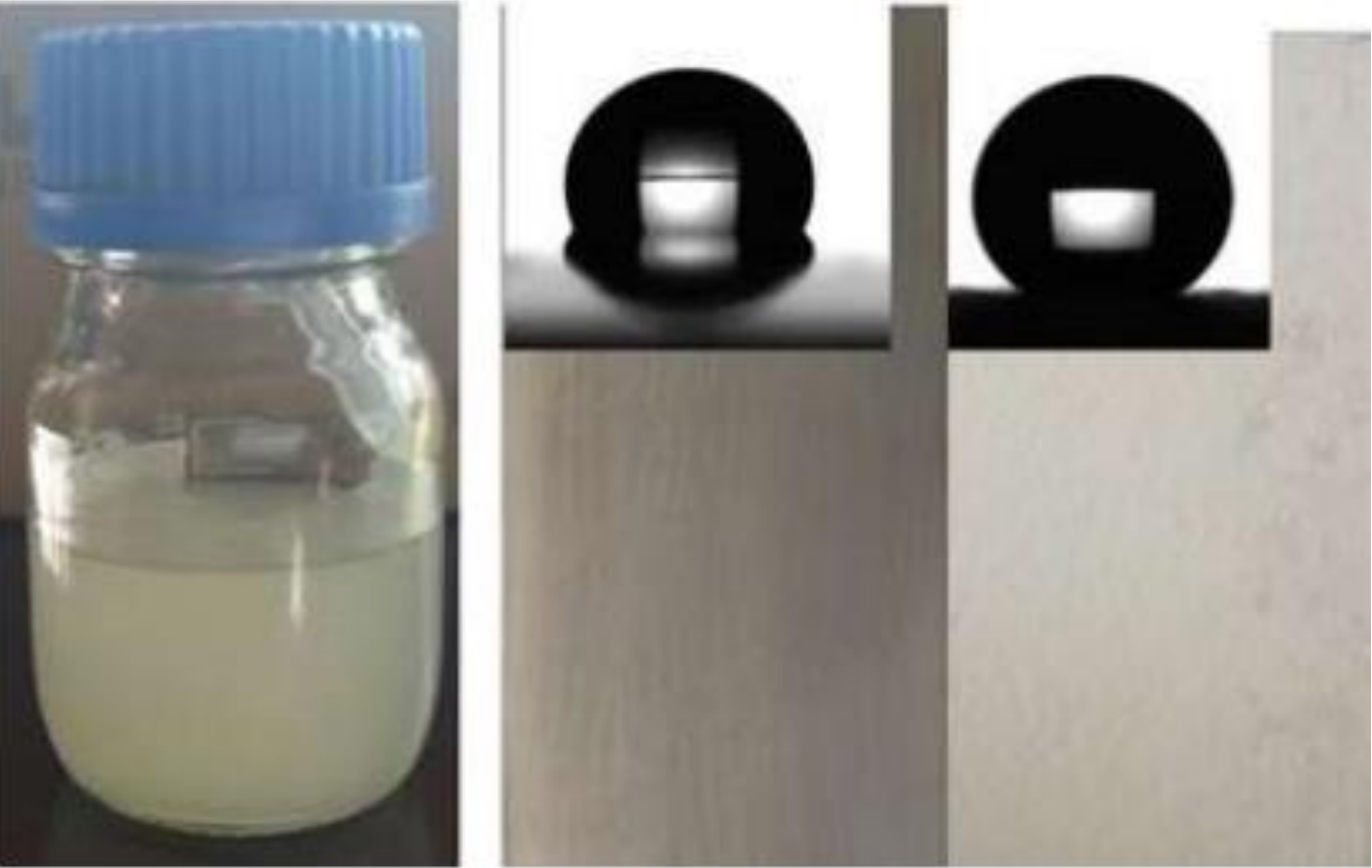
 润滑剂
润滑剂
 润滑油添加剂
 自润滑材料
自润滑材料
 密封材料
密封材料
 新兴材料
新兴材料
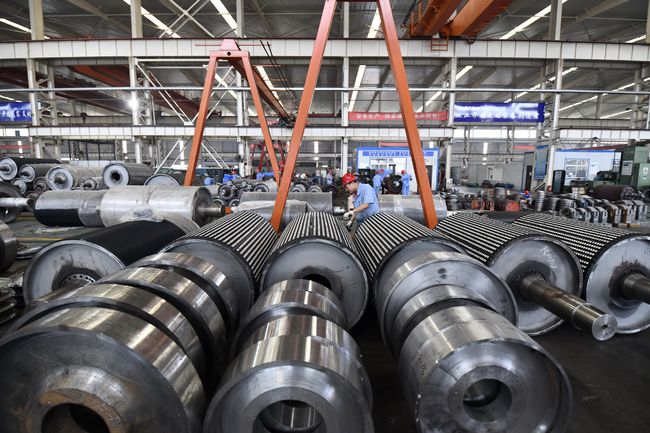 加工设备
加工设备
 摩擦试验机
摩擦试验机
 大型表征仪器
 小型测试设备