In order to achieve the effective utilization of biomass ash (BA) as a potential cementitious component, the present work explores the influence of BA, employed as a supplementary cementitious material, on the properties of cement paste. Meanwhile, the mechanism by which various BA replacement levels affect the mechanical strength of cement paste is analyzed via a series of microscopic characterization techniques. In this experimental program, BA was applied as a silica-rich admixture, and cement paste specimens were manufactured by substituting Portland cement with BA at mass ratios ranging from 0% to 50%According to the macroscopic test results, the fluidity of the fresh paste exhibits a slight decreasing trend with the elevation of BA substitution content. In terms of strength development, an initial increasing trend is observed, followed by a gradual reduction, and the optimal overall performance is achieved at a 20% replacement level; under the water-to-binder ratio of 0.6, the 28-day compressive strength reaches 36.11 MPa, showing a 29.6% increase compared with the control group (pure cement paste, 27.86 MPa), and the strength remains above 95% of the control group even at a 30% replacement level. Microscopic analytical results verify that BA possesses noticeable pozzolanic reactivity and is capable of participating in partial hydration reactions. During the hydration procedure, the silica-bearing mineral phases in BA are incorporated into the silicate chains and interlayer structures of C–S–H gels. Furthermore, the relative content of silicate phases within C–S–H gels and their polymerization degree are both remarkably enhanced with increasing BA replacement ratios. The impact of BA content on the pore structure of cement paste differs under varying water-to-binder (w/b) ratios, among which gel pores and mesopores are identified as the dominant factors responsible for the evolution of the overall pore system.
周老师: 13321314106
王老师: 17793132604


邮箱号码: lub@licp.cas.cn




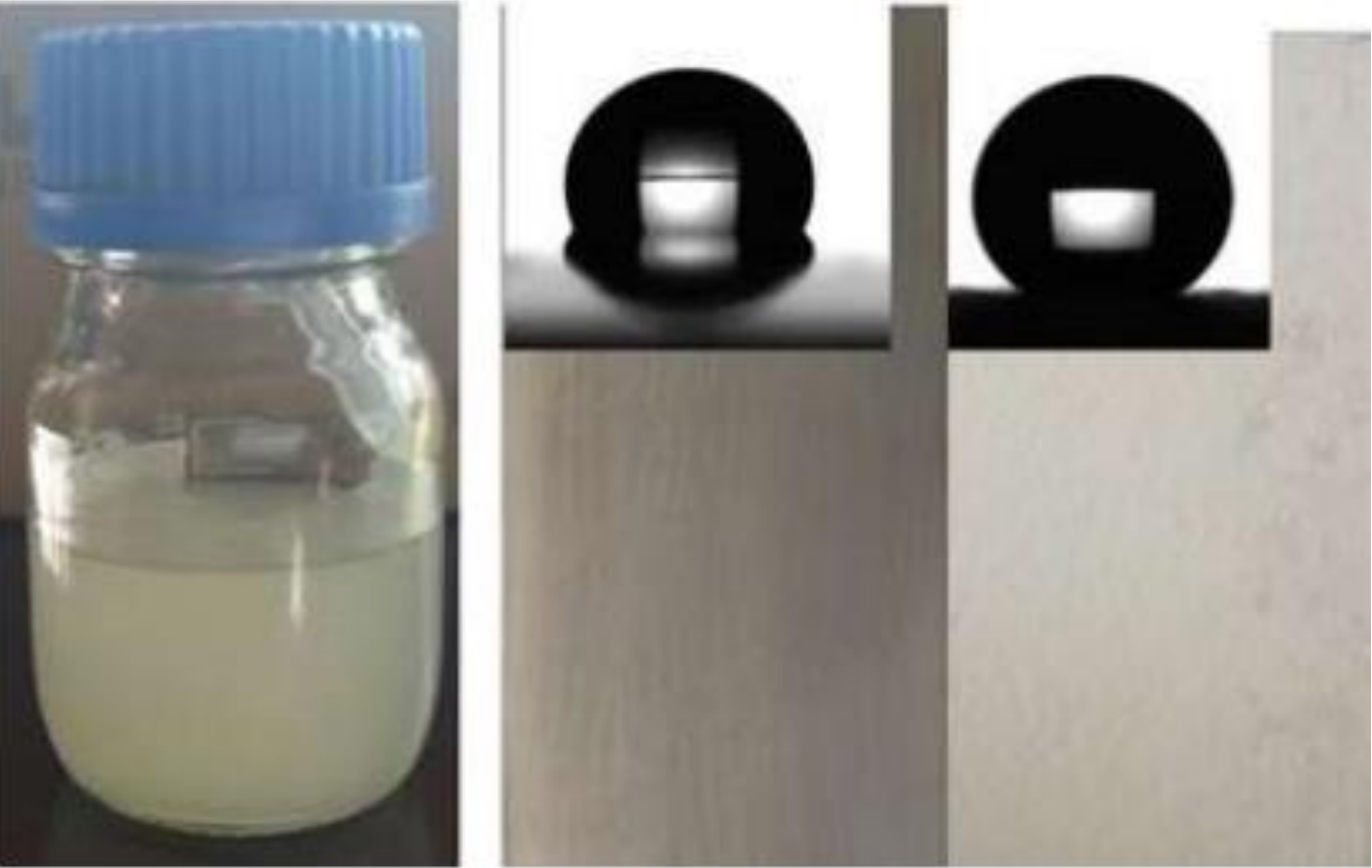
 润滑剂
润滑剂
 润滑油添加剂
 自润滑材料
自润滑材料
 密封材料
密封材料
 新兴材料
新兴材料
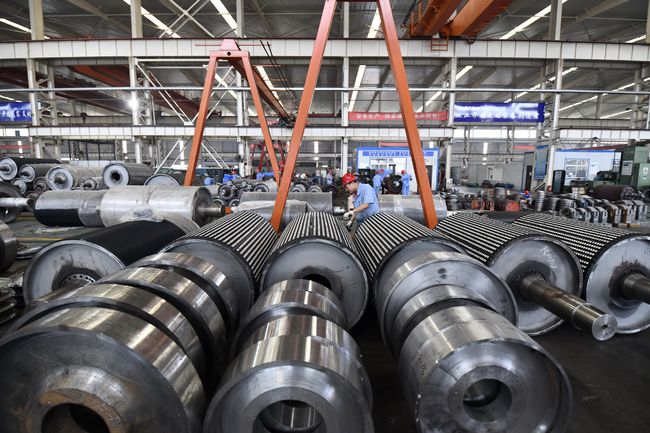 加工设备
加工设备
 摩擦试验机
摩擦试验机
 大型表征仪器
 小型测试设备