Sodium manganese hexacyanoferrate (Mn-HCF) is a promising cathode for aqueous sodium-ion batteries (ASIBs) due to its low cost and high theoretical capacity. However, its practical application is hindered by rapid capacity fading, which originates from Mn dissolution and the uneven lattice expansion induced by Jahn–Teller distortion and successive phase transitions. While strategies such as lattice doping, surface coating, and electrolyte additives have been explored to mitigate Mn dissolution, they merely delay rather than prevent the process. Moreover, the subsequent degradation reactions remain poorly understood. Herein, we elucidate a degradation chain reaction initiated by Mn dissolution. Dissolved Mn2+ ions catalyze interfacial water oxidation, generating protons that protonate the C≡N ligands of Fe(CN)64−/3−. The subsequent ligand dissociation releases Fe2+/3+, which then react with residual Fe(CN)64− and Na+ to precipitate NaxFe[Fe(CN)6] (Fe-HCF) on the electrode surface, ultimately leading to the lattice collapse of Mn-HCF. As this chain reaction continues, conventional approaches that only slow Mn dissolution are insufficient, and thus, the vacancies must be refilled in real time to halt the process. Accordingly, we introduce iron(III) trifluoromethanesulfonate (Fe(OTf)3) into a concentrated 17.6 m NaClO4 aqueous electrolyte. The Fe3+ ions rapidly occupy Mn vacancies as they form, thereby blocking the chain reaction at its source. A full cell incorporating the stabilized Mn-HCF cathode and a PTCDI (3,4,9,10-perylenetetracarboxylicdiimide) anode retains 80% of its initial capacity after 20,000 cycles at 2 A g−1, corresponding to an ultra-low-capacity fade rate of 0.001% per cycle that outperforms most reported ASIB cathodes.
周老师: 13321314106
王老师: 17793132604


邮箱号码: lub@licp.cas.cn





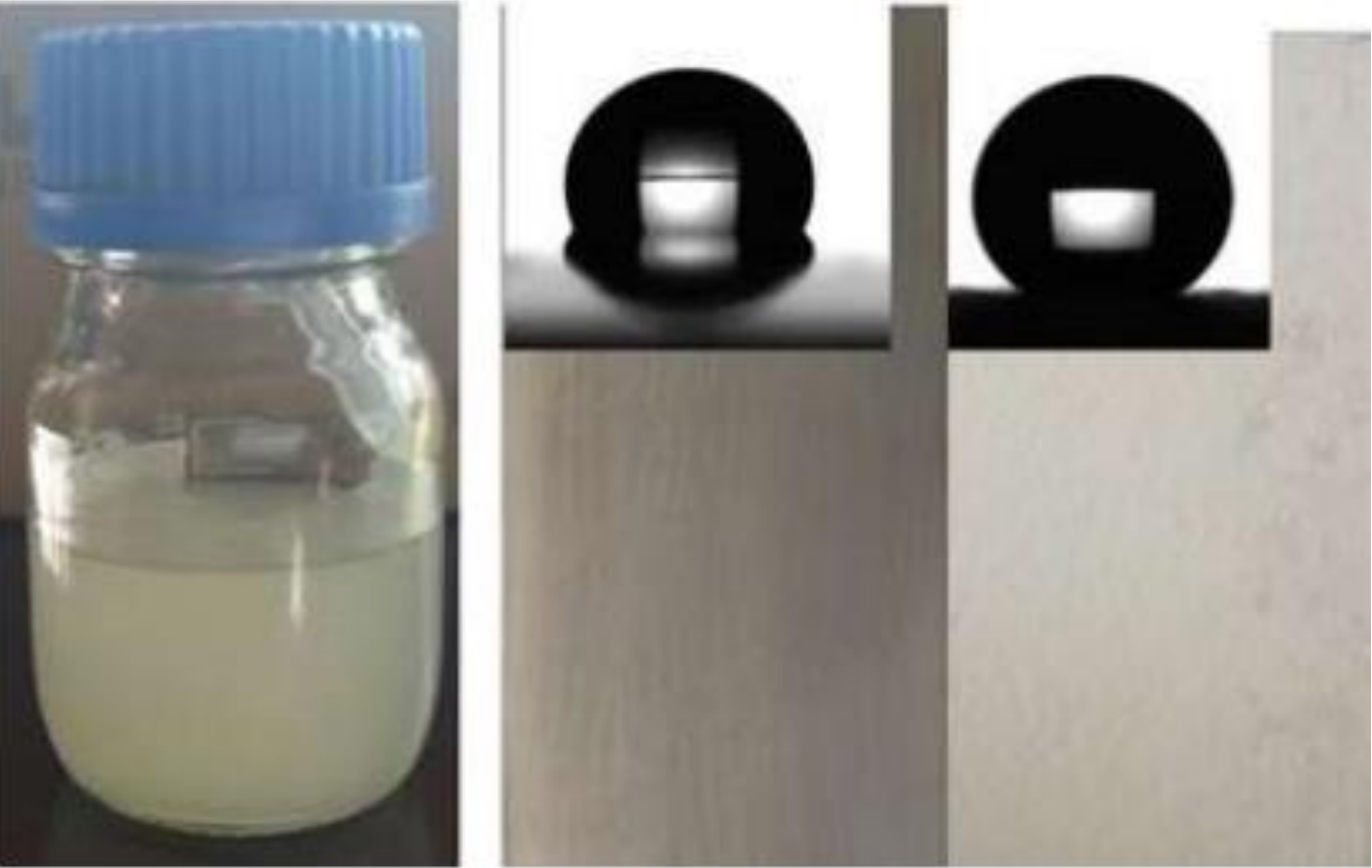
 润滑剂
润滑剂
 润滑油添加剂
 自润滑材料
自润滑材料
 密封材料
密封材料
 新兴材料
新兴材料
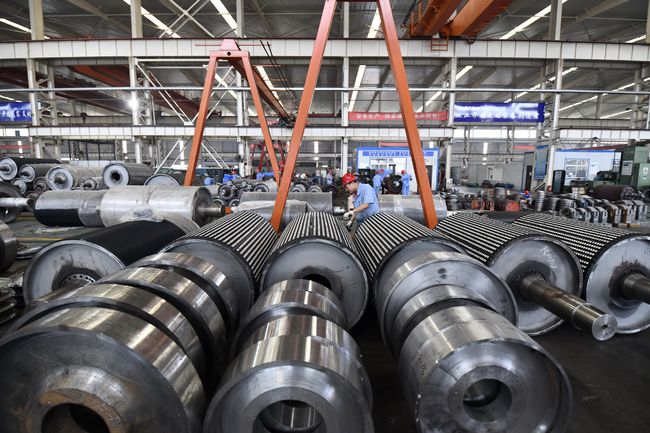 加工设备
加工设备
 摩擦试验机
摩擦试验机
 大型表征仪器
 小型测试设备