In robotic laser paint removal, the working distance between the laser head and complex ship-steel surfaces is difficult to maintain at the focal position, causing defocus-induced changes in beam size and energy distribution. This study investigates how defocus distance affects the transition between thermal-stress peeling and thermal ablation during nanosecond pulsed laser removal of alkyd-resin paint from ship steel. A thermal-stress model was developed and validated using adhesion-strength measurements, surface morphology, roughness, SEM, and EDS analysis. At an average power of 140W, the calculated interfacial thermal stress reached 6.688MPa, exceeding the measured coating adhesion strength of 6.307MPa, which enabled complete paint removal through stress-assisted peeling. Increasing the defocus distance enlarged the laser spot and reduced the stress contribution, while promoting paint ablation and surface oxidation. Complete removal of the approximately 33μm thick alkyd-resin paint was achieved within a defocus range of 0-6mm. These results clarify the defocus tolerance for robotic laser paint removal and reveal the mechanism transition from stress-dominated peeling to ablation-dominated removal.
周老师: 13321314106
王老师: 17793132604


邮箱号码: lub@licp.cas.cn




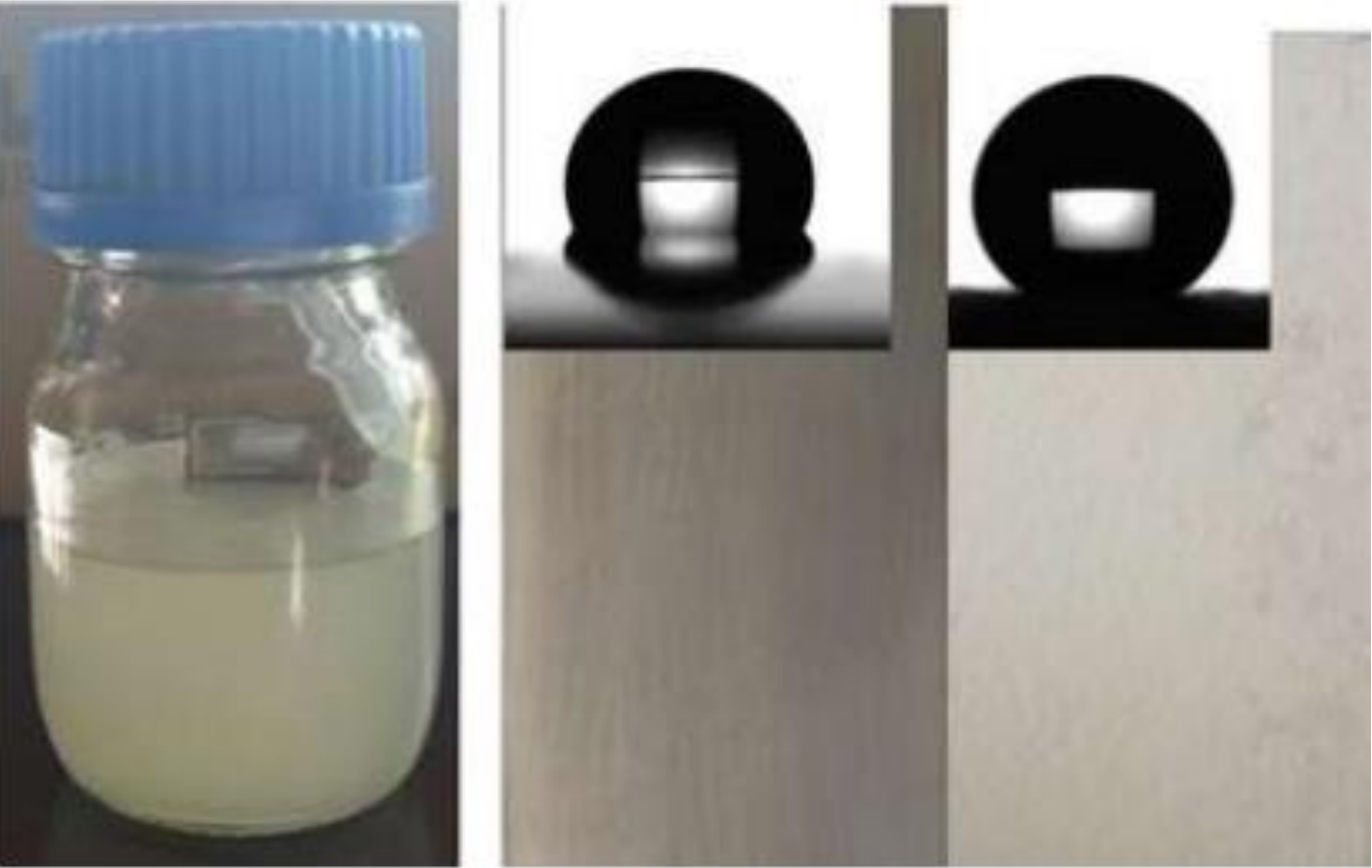
 润滑剂
润滑剂
 润滑油添加剂
 自润滑材料
自润滑材料
 密封材料
密封材料
 新兴材料
新兴材料
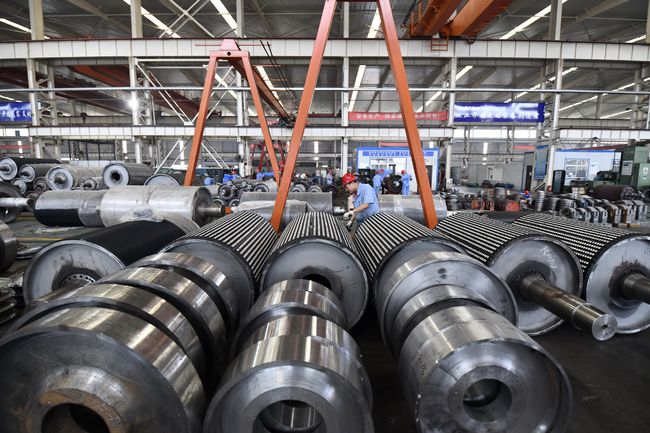 加工设备
加工设备
 摩擦试验机
摩擦试验机
 大型表征仪器
 小型测试设备