Ultrasound-assisted micro-arc oxidation (UMAO) offers enhanced control over electrochemical oxidation processes by modifying discharge behavior and mass transport during coating growth. In this study, a Ti-13Nb-13Zr alloy was processed by UMAO in calcium/phosphate-based electrolytes, with and without low-dose selenium incorporation, to elucidate process–structure–property relationships in porous oxide coatings. Selenium was introduced as a minor electrolyte component to investigate its influence on coating formation, interfacial characteristics, and functional performance. The resulting coatings were systematically characterized in terms of surface morphology, chemistry, topography, wettability, mechanical and tribological behavior, electrochemical stability, and biological response. Selenium incorporation altered the coating growth process, leading to increased surface wettability and surface free energy, accompanied by changes in topographical parameters indicative of modified surface functionality. All coatings exhibited cytocompatibility, maintaining osteoblast viability above the 70% threshold. Among the investigated variants, the Se350 coating (350 V, Se-doped) demonstrated the most favorable mechanical response, with increased hardness and elevated H/E and H³/E² ratios, which translated into improved wear resistance. Tribological testing in Ringer’s solution revealed a lower and more stable coefficient of friction for Se350 compared with its selenium-free counterpart, indicating enhanced durability under lubricated sliding conditions. In addition, selenium-doped coatings significantly suppressed Escherichia coli biofilm formation. Electrochemical investigations confirmed that UMAO processing improved corrosion resistance relative to the uncoated alloy, although the Se350 coating exhibited reduced long-term stability, likely associated with increased porosity and altered transport pathways within the coating. Overall, the results demonstrate that low-dose selenium incorporation during ultrasound-assisted micro-arc oxidation enables effective tuning of interfacial structure and multifunctional performance, highlighting the potential of this processing strategy for advanced surface engineering of titanium alloys.
周老师: 13321314106
王老师: 17793132604


邮箱号码: lub@licp.cas.cn




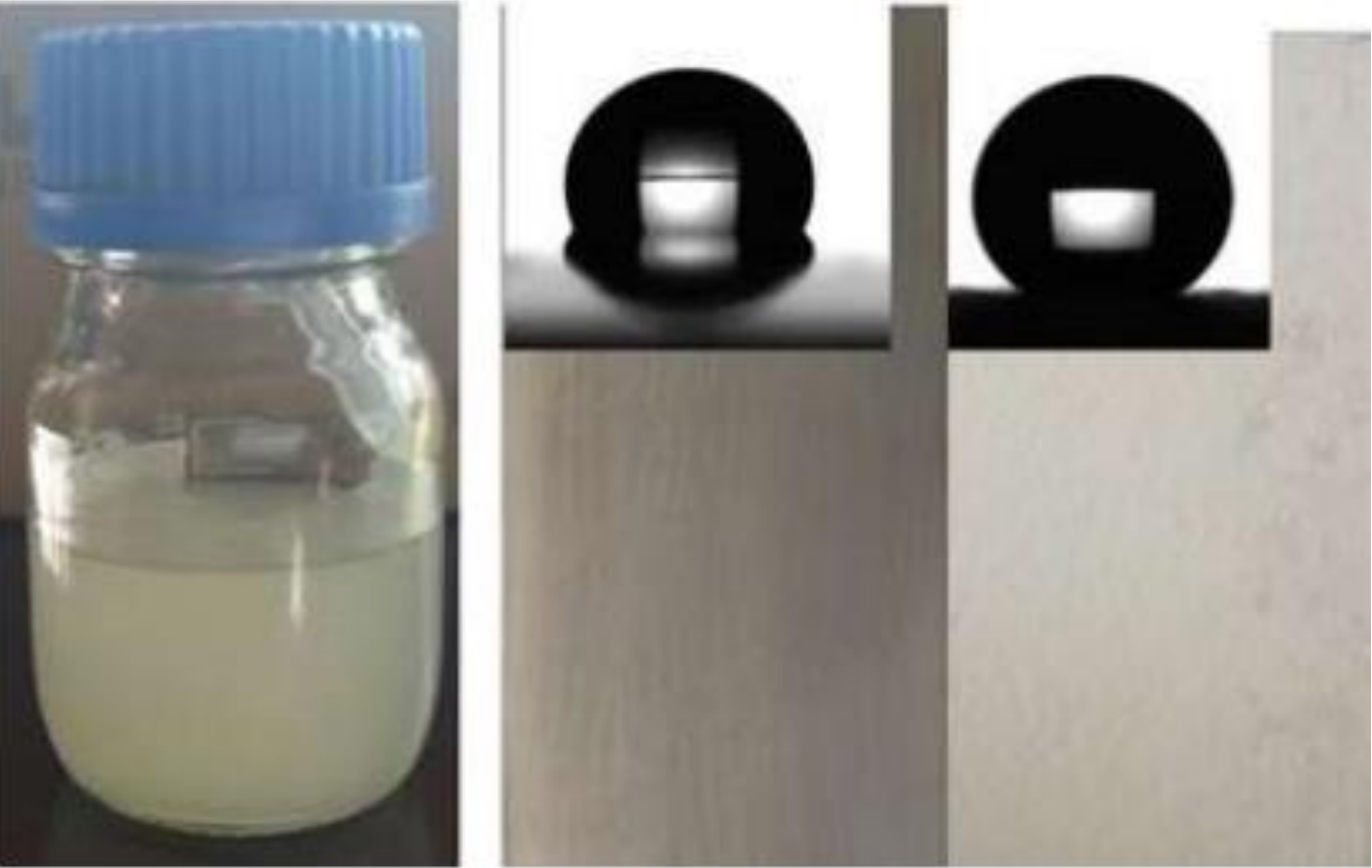
 润滑剂
润滑剂
 润滑油添加剂
 自润滑材料
自润滑材料
 密封材料
密封材料
 新兴材料
新兴材料
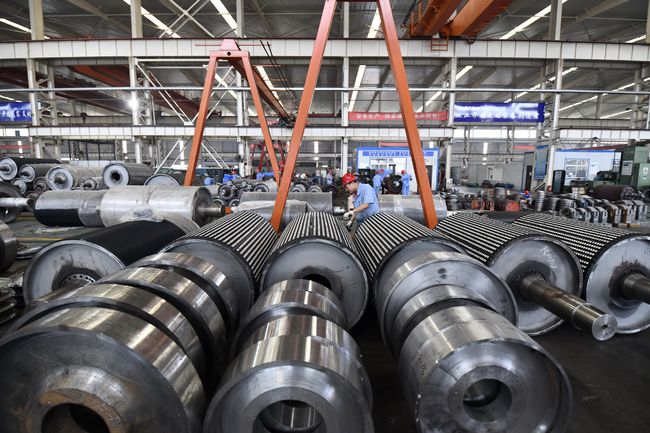 加工设备
加工设备
 摩擦试验机
摩擦试验机
 大型表征仪器
 小型测试设备