The improper disposal of waste lubricating oil (WLO) represents a significant environmental hazard and contributes to the depletion of petroleum resources. This study investigates the re-refining of WLO via an acid–clay treatment process and optimizes the key operating parameters using response surface methodology (RSM). The effects of temperature (30–60 °C), acid-to-oil ratio (10–25% v/v), and reaction time (60–120 min) were evaluated on yield, density, and kinematic viscosity. Quadratic regression models demonstrated strong statistical significance, with coefficients of determination of 0.87, 0.98, and 0.99 for viscosity, density, and yield, respectively. Optimal refining conditions were identified at 45 °C, 19% acid-to-oil ratio, and 101 min reaction time. The refined oil exhibited markedly improved physicochemical properties, including flash point (232 °C), viscosity index (126.7), ash content (0.04%), carbon residue (0.05%), and water content below 0.01 wt %. Fourier transform infrared spectroscopy confirmed close similarity between the refined and commercial base oil. The findings demonstrate that acid–clay re-refining, combined with statistical optimization, provides an efficient and economically viable route for the sustainable recovery of lubricating oil from waste streams.
周老师: 13321314106
王老师: 17793132604


邮箱号码: lub@licp.cas.cn




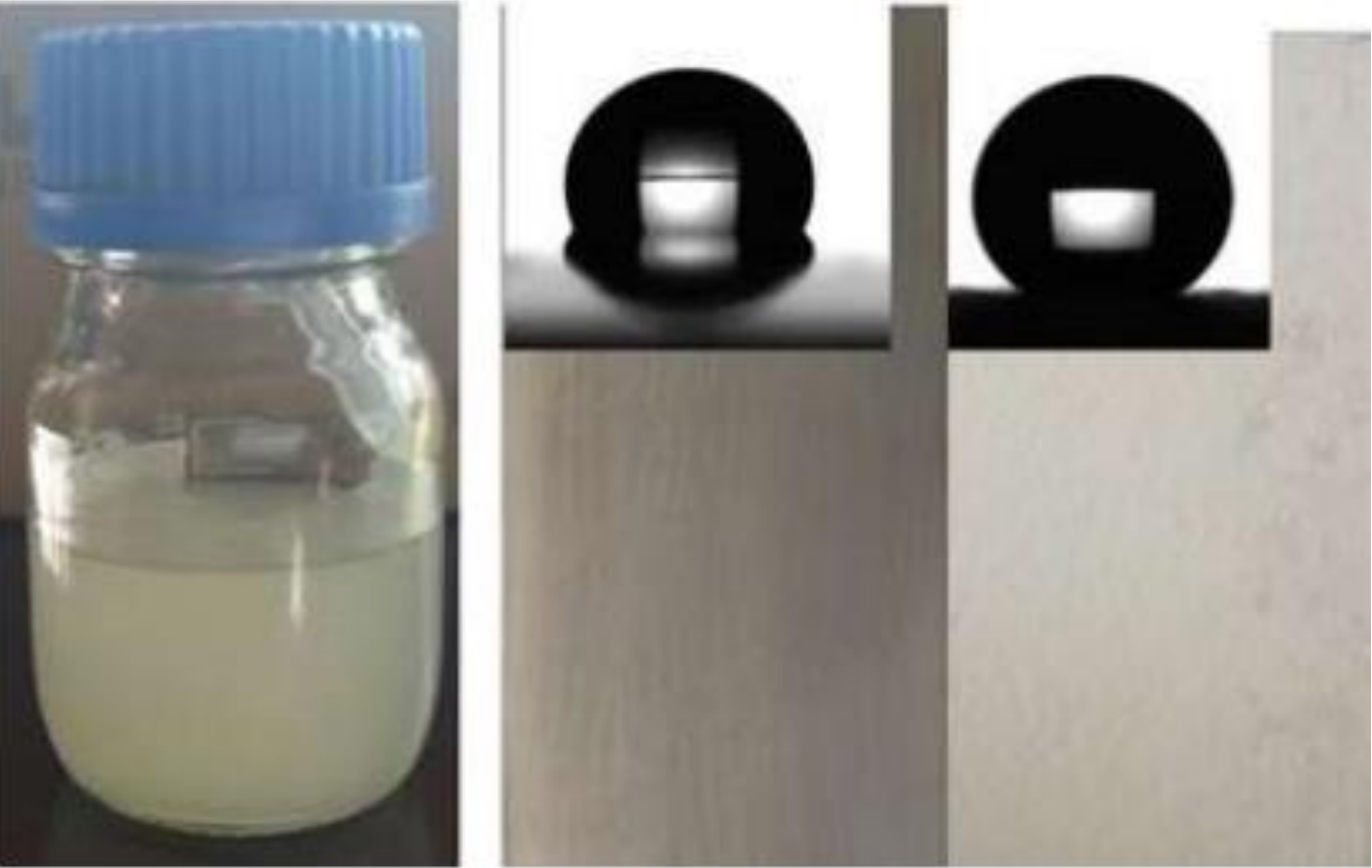
 润滑剂
润滑剂
 润滑油添加剂
 自润滑材料
自润滑材料
 密封材料
密封材料
 新兴材料
新兴材料
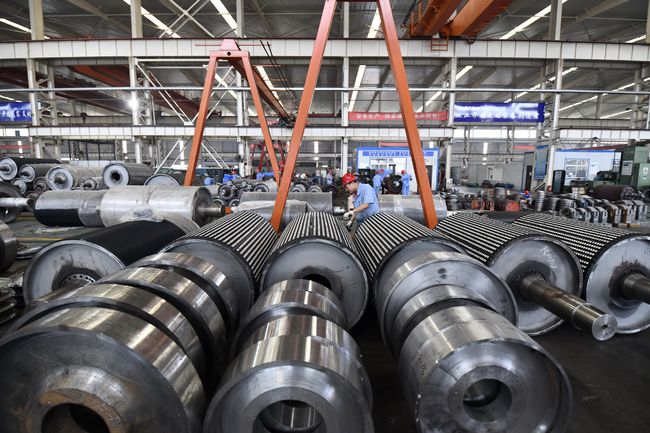 加工设备
加工设备
 摩擦试验机
摩擦试验机
 大型表征仪器
 小型测试设备