This study investigates the three-body abrasive wear behavior of nano-Hydroxyapatite (nHAP) reinforced Carbon-Epoxy (CE) composites, using an integrated experimental and machine learning approach. Taguchi Design of Experiments (DoE), regression modeling, and machine learning prediction were used to analyze and predict wear behavior. Laminates containing 0.5, 1.5, and 3 wt% nHAP were fabricated using the vacuum bagging technique and tested using dry sand–rubber wheel standards. The morphology size elemental composition crystalline phase structure of nHAP was characterized by scanning electron microscopy (SEM), Energy-Dispersive X-ray Analysis (EDAX), X-ray diffraction (XRD). The measured density values increased progressively from 1.485 g/cm³ for 0.5 wt% nHAP to 1.515 g/cm³ for 3 wt% nHAP, which was in close agreement with the theoretical density range of 1.505–1.545 g/cm³ confirming uniform filler dispersion. Barcol hardness increased with an increase in nHAP content from 74.4 at 0.5 wt% to 75.6 at 1.5 wt% and 78 0.8 at 3 wt% nHAP filled composites. Taguchi L27 orthogonal array analysis found that filler content is the most significant parameter with a contribution of 52.34%, followed by abrading distance (36.32%), applied load (7.03%), and abrasive size (3.04%). The lowest experimental Specific wear rate (Ks) was observed in 3 wt% with 0.714 10− 11m3/Nm. Wear prediction equations were developed using regression modeling with R² values greater than 98%. An Artificial Neural Network (ANN) having two hidden layers, achieved R² values of 0 0.9987 (training) and 0 0.9988 (testing). Strong model accuracy was established through residual histograms, scatter plots, and parity plots confirming nHAP reinforced CE composites as promising materials for abrasion resistance. Confirmation test was carried out using Signal to noise ratio, and the result was validated with worn surface morphology.
周老师: 13321314106
王老师: 17793132604


邮箱号码: lub@licp.cas.cn





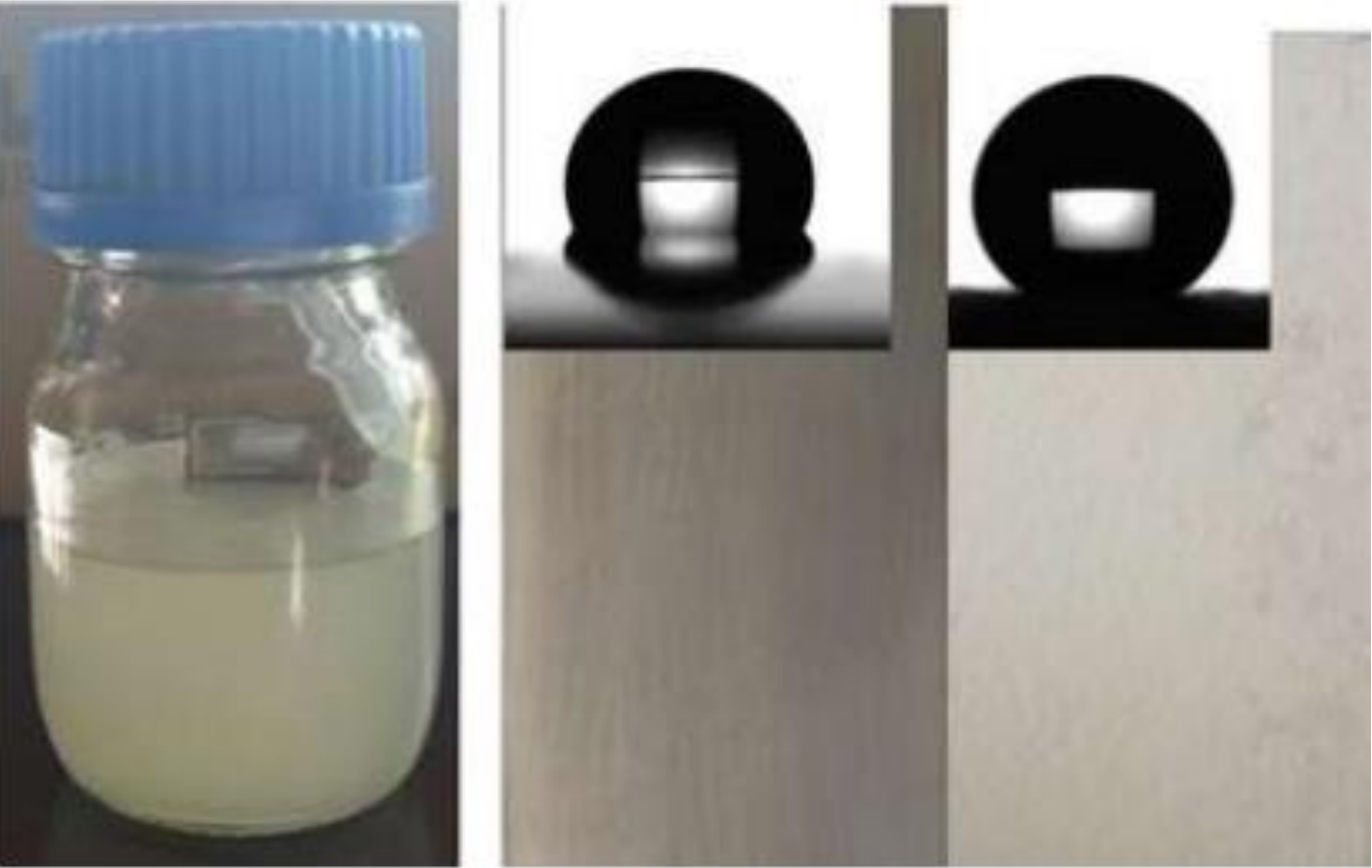
 润滑剂
润滑剂
 润滑油添加剂
 自润滑材料
自润滑材料
 密封材料
密封材料
 新兴材料
新兴材料
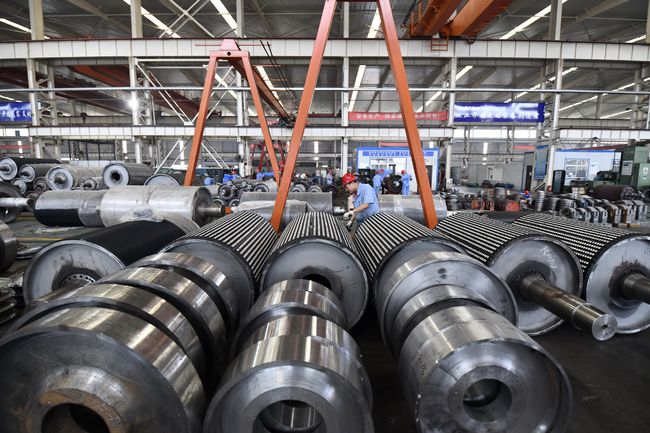 加工设备
加工设备
 摩擦试验机
摩擦试验机
 大型表征仪器
 小型测试设备