Understanding the mechanical behavior and energy evolution of layered hard rocks is of great significance for revealing the deformation and failure mechanisms of tunnels in layered surrounding rock and for proposing effective support measures. To investigate these properties in layered sandy slate, triaxial compression tests were conducted under different schistosity angles and confining pressures. The influence of schistosity and confining pressure on the strength, elastic modulus, and failure modes of sandy slate was analyzed in detail. Based on energy principles, the characteristics of energy evolution and strength instability throughout the triaxial compression loading process were investigated. The results show that: (1) The strength of sandy slate exhibits a U-shaped variation with schistosity angle, while the elastic modulus shows either a U-shaped or N-shaped variation with increasing schistosity angle. As the confining pressure increases, the anisotropy in strength and elastic modulus of the specimens diminishes. (2) With an increase in schistosity angle, the failure mode of the specimens gradually shifts from trans-schistosity failure to along-schistosity failure. As the confining pressure increases, rock failure transitions gradually from tensile failure to shear failure. (3) Depending on whether the stress-strain curve of the specimen exhibits quasi-ideal plastic behavior, the precursors to instability failure are as follows: when the elastic energy consumption ratio K transitions from a stable horizontal state to continuous growth (in the absence of quasi-ideal plasticity), and when K transitions from slow, steady growth to rapid increase (in the presence of quasi-ideal plasticity).
周老师: 13321314106
王老师: 17793132604


邮箱号码: lub@licp.cas.cn





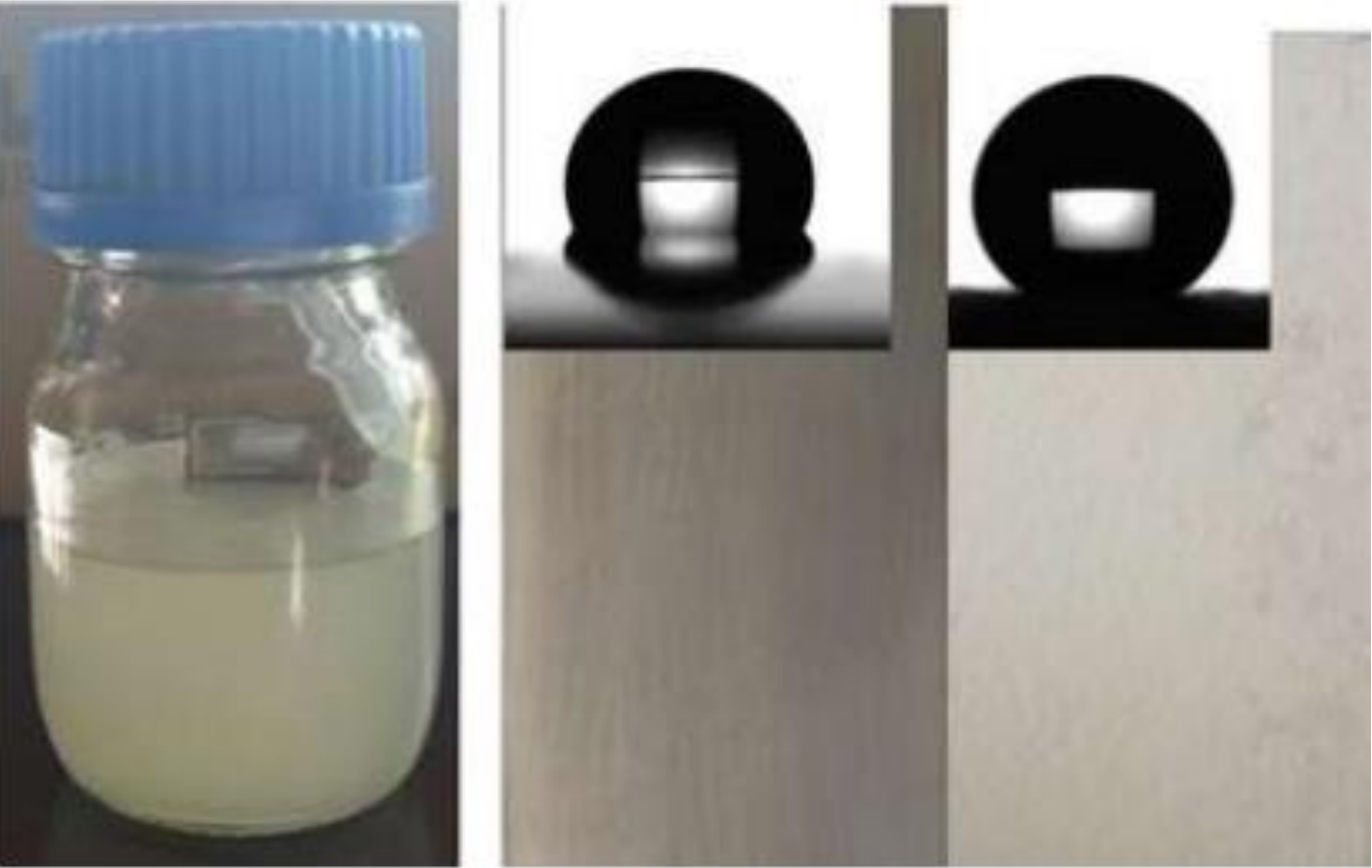
 润滑剂
润滑剂
 润滑油添加剂
 自润滑材料
自润滑材料
 密封材料
密封材料
 新兴材料
新兴材料
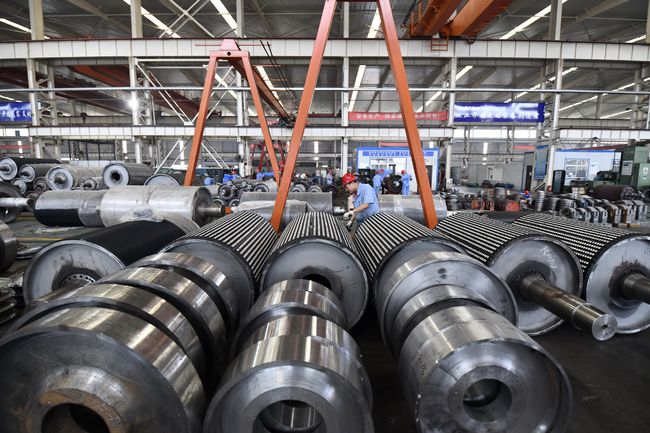 加工设备
加工设备
 摩擦试验机
摩擦试验机
 大型表征仪器
 小型测试设备