Tungsten disulfide (WS2) nanoparticles are widely considered as promising solid lubricant additives for boundary/mixed lubrication. However, the consistent mechanism linking macroscopic tribotests to atomistic behavior remains elusive. We investigated WS2-dispersed polyalphaolefin (PAO 6) lubrication using ball-on-disk experiments, post-test surface analysis, and nonequilibrium molecular dynamics (MD) simulations. The addition of WS2 markedly reduced and stabilized friction, with the average coefficient of friction (COF) decreasing from 0.146 to 0.055, and mitigated wear, with the measured wear volume decreasing from 0.019 to 0.011 mm3 (≈ 42.1% reduction). X-ray photoelectron spectroscopy of the worn surface displayed W 4f and S 2p signals, consistent with WS2-derived species remaining within the wear track after sliding. MD simulations provided a mechanism-level atomistic interpretation consistent with this macroscopic friction trend: the WS2-containing interface exhibited a lower interfacial shear response than the PAO-only interface (time-averaged COF: ≈10.9% reduction from 0.46 to 0.41), while interfacial energetics indicated weaker PAO coupling with WS2 than with Fe (− 101.42 vs. −244.51 eV). This weaker PAO–WS2 coupling suggests that WS2-derived interfacial species may reduce effective PAO–Fe coupling and facilitate lower-shear interfacial accommodation, which is consistent with the experimentally observed friction stabilization and wear reduction. Representative MD configurations also displayed Fe atom detachment in the PAO–Fe model but not prominently in the WS2-mediated case.
周老师: 13321314106
王老师: 17793132604


邮箱号码: lub@licp.cas.cn




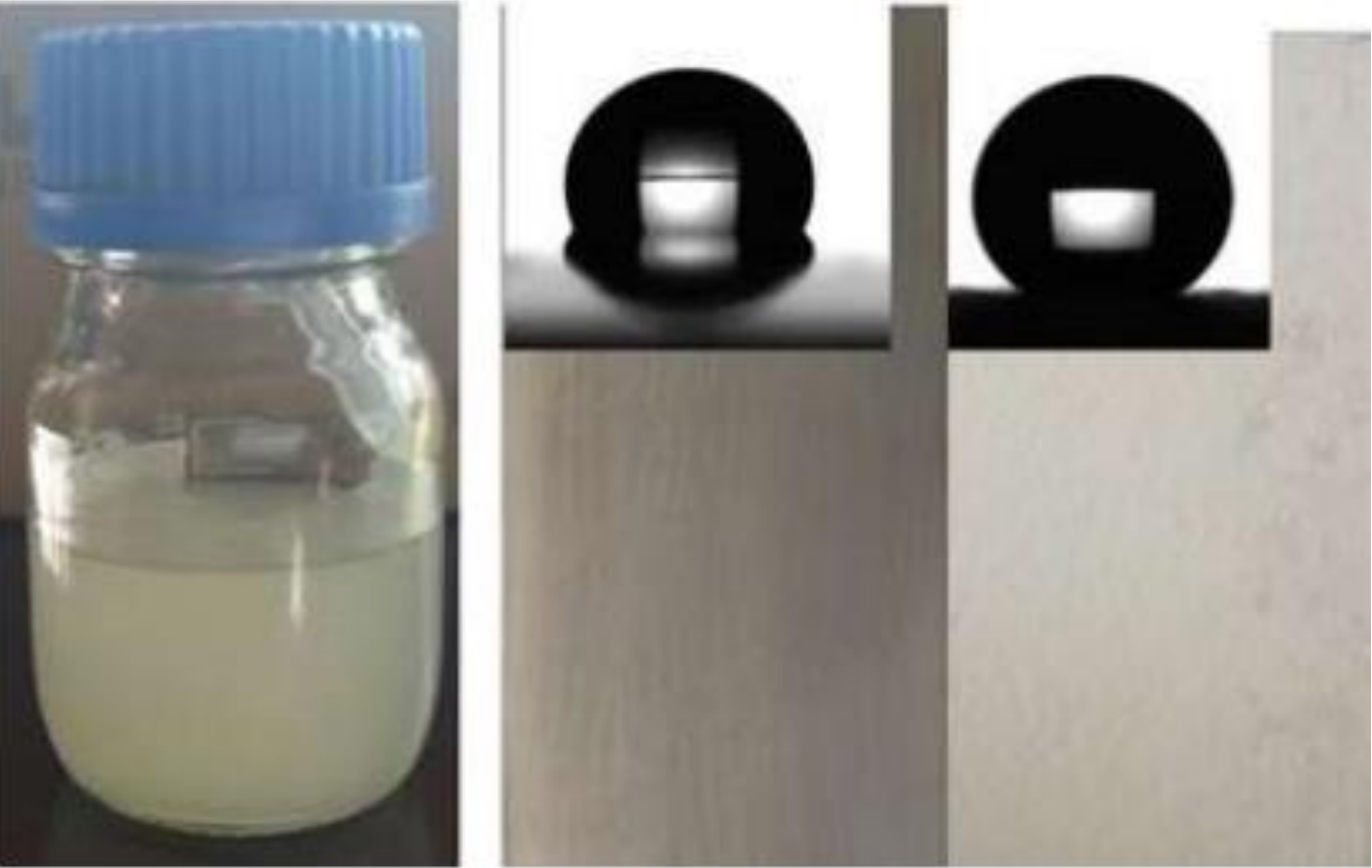
 润滑剂
润滑剂
 润滑油添加剂
 自润滑材料
自润滑材料
 密封材料
密封材料
 新兴材料
新兴材料
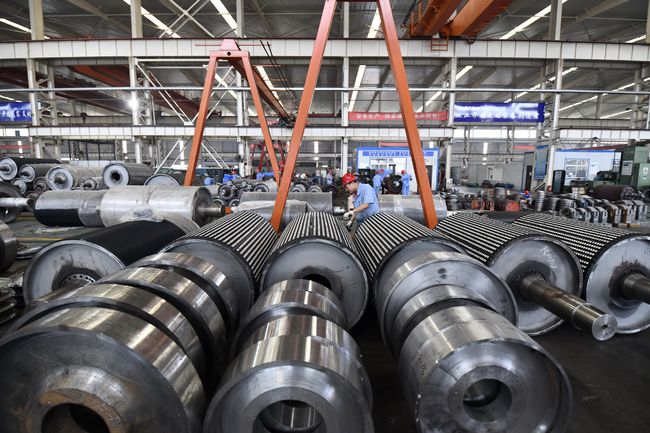 加工设备
加工设备
 摩擦试验机
摩擦试验机
 大型表征仪器
 小型测试设备