Engineering equipment operating in marine environments currently faces severe service conditions, including challenges such as seawater corrosion and mechanical impacts. Therefore, it is essential to apply protective coatings to marine engineering structures. The contact areas between dissimilar metals in these engineering components are particularly susceptible to both galvanic corrosion and impact damage, necessitating protective coatings that simultaneously exhibit high electrical resistivity and excellent fracture toughness. In this experiment, micro-sized and nano-sized Al2O3-3 wt.% TiO2(AT3) were used as raw materials to prepare coatings via atmospheric plasma spraying. Both types of powders and coatings were analyzed using XRD for phase identification. The surface and cross morphology of the powders and coatings were examined using SEM. The insulation resistance of the coatings before and after impact was measured using a high-resistance meter. The hardness and fracture toughness of the coatings were determined using a Vickers hardness tester. The surface of the deposited AT3-nm coating was relatively dense. The AT3-μm coating consisted mainly of γ-Al2O3, whereas the AT3-nm coating was primarily composed of α-Al2O3. The AT3-nm coating exhibited lower porosity, higher hardness, and better fracture toughness compared to the AT3-μm coating. In contrast, the AT3-μm coating demonstrated higher electrical resistivity, indicating better insulation performance. During the impact test, structural damage to the AT3-nm coating occurred more gradually, and the decrease in electrical resistivity was slower, demonstrating its superior impact resistance. In conclusion, the AT3-nm coating exhibits good insulation performance and provides excellent impact-resistant protection.
周老师: 13321314106
王老师: 17793132604


邮箱号码: lub@licp.cas.cn




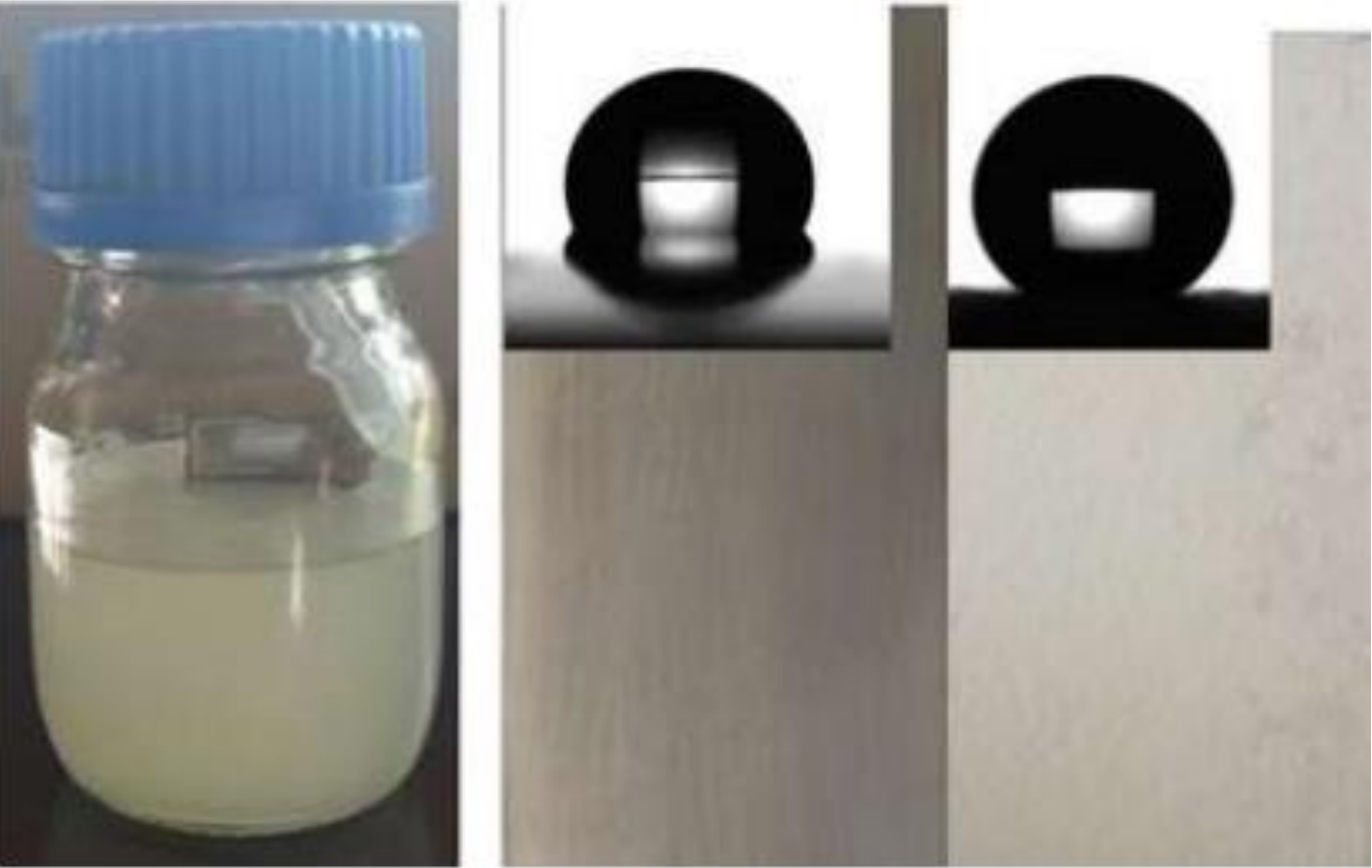
 润滑剂
润滑剂
 润滑油添加剂
 自润滑材料
自润滑材料
 密封材料
密封材料
 新兴材料
新兴材料
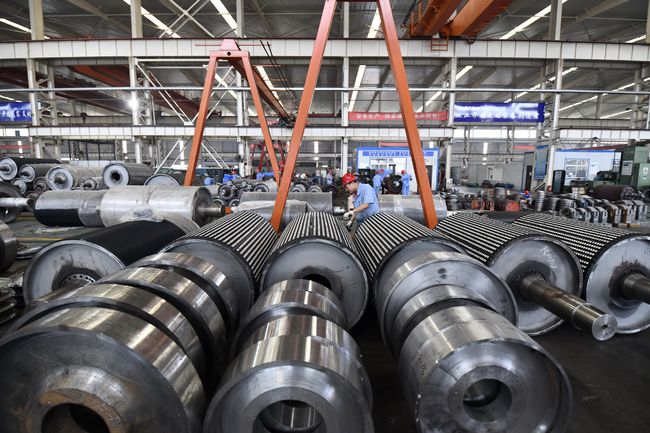 加工设备
加工设备
 摩擦试验机
摩擦试验机
 大型表征仪器
 小型测试设备