Attapulgite-modified loess has been shown to improve impermeability, offering a viable approach for engineering applications; however, cracking often occurs after repeated wetting–drying cycles. In this study, hexadecyltrimethylammonium bromide (HDTMA) was introduced to investigate its effectiveness in enhancing the wetting–drying crack resistance and hydraulic stability of attapulgite-modified loess for landfill liner applications. A series of wetting–drying cycle tests, direct shear, consolidation, and permeability tests, along with scanning electron microscopy (SEM) analyses, were conducted to evaluate the modified loess systematically. According to the experimental results, when the attapulgite and HDTMA contents are 10% attapulgite + 2% HDTMA, the permeability coefficient of the modified loess remains below 1 × 10⁻⁷ cm/s after five wetting–drying cycles, indicating excellent impermeability stability and crack resistance. In addition, the composite modification effectively enhances the mechanical properties and structural stability of loess. These findings suggest that attapulgite-HDTMA composite modification is a feasible and promising strategy for enhancing the suitability of loess as a landfill liner material, demonstrating considerable potential for practical engineering applications. Nevertheless, further investigations are still required, particularly regarding long-term durability, consolidated drained shear behavior, field-scale performance, and the effects of a wider range of modifier concentrations.
周老师: 13321314106
王老师: 17793132604


邮箱号码: lub@licp.cas.cn




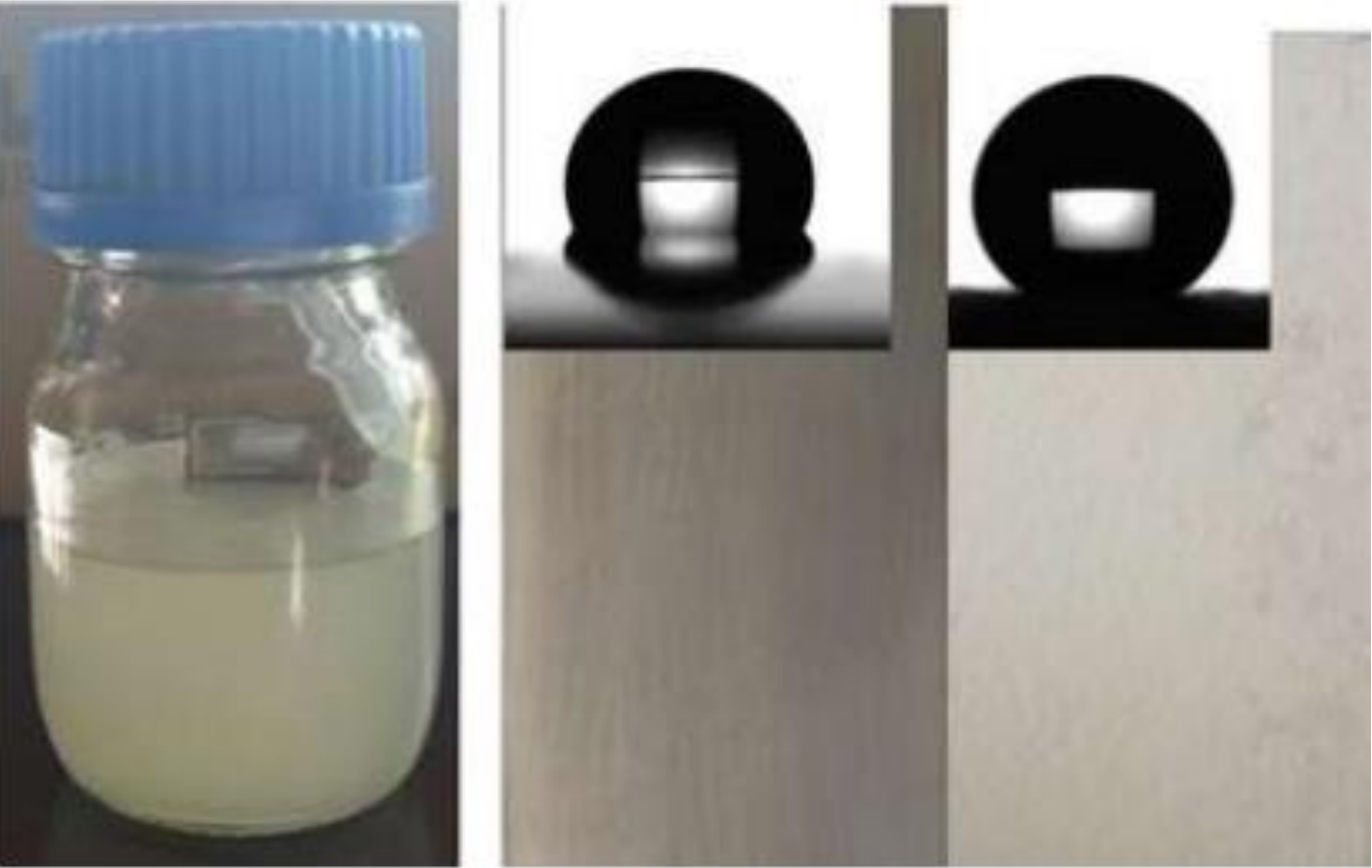
 润滑剂
润滑剂
 润滑油添加剂
 自润滑材料
自润滑材料
 密封材料
密封材料
 新兴材料
新兴材料
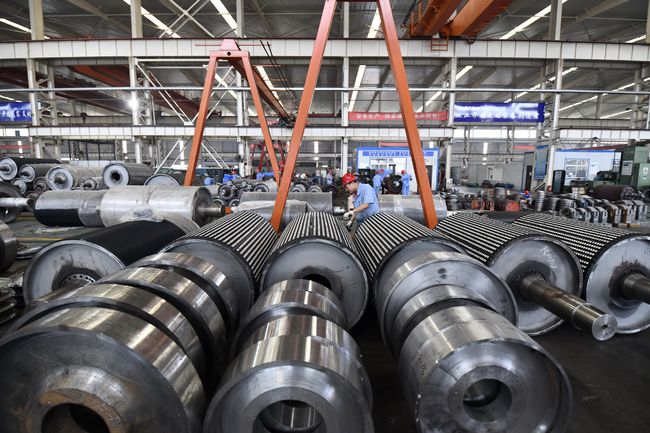 加工设备
加工设备
 摩擦试验机
摩擦试验机
 大型表征仪器
 小型测试设备