This study quantitatively investigates the measurable thermal bridging effect induced by mechanical anchors in External Thermal Insulation Composite Systems (ETICS) and its dual impact on building energy consumption and structural safety. The simulation results revealed that aluminum anchors (5 pcs/m²) increased the equivalent thermal conductivity (λe) of a 35 mm XPS insulation layer by 93.3% (from 0.03 to 0.058 W/(m K)). The effect is amplified for high-performance insulation materials; for Vacuum Insulation Panels (VIP, λ = 0.004 W/(m K)), λe increased by 675%. Crucially, material selection is the dominant parameter: switching to nylon anchors reduced the thermal bridging effect to less than 0.5%. Transient simulations further identified localized temperature differentials exceeding 18.85 °C at anchor points, generating thermomechanical stress that accelerates aging and poses detachment risks. In a kindergarten case study, the aluminum anchor effect raised the annual energy consumption by 3.59% (2.06 kWh/(m2 a)). This work provides a novel multi-scale assessment framework, concluding that anchor-induced thermal bridging is a critical design trade-off, and advocates for optimizing anchor material (low thermal conductivity) and geometry (reduced diameter/density) to balance structural integrity with thermal performance in modern building envelope retrofits.
周老师: 13321314106
王老师: 17793132604


邮箱号码: lub@licp.cas.cn





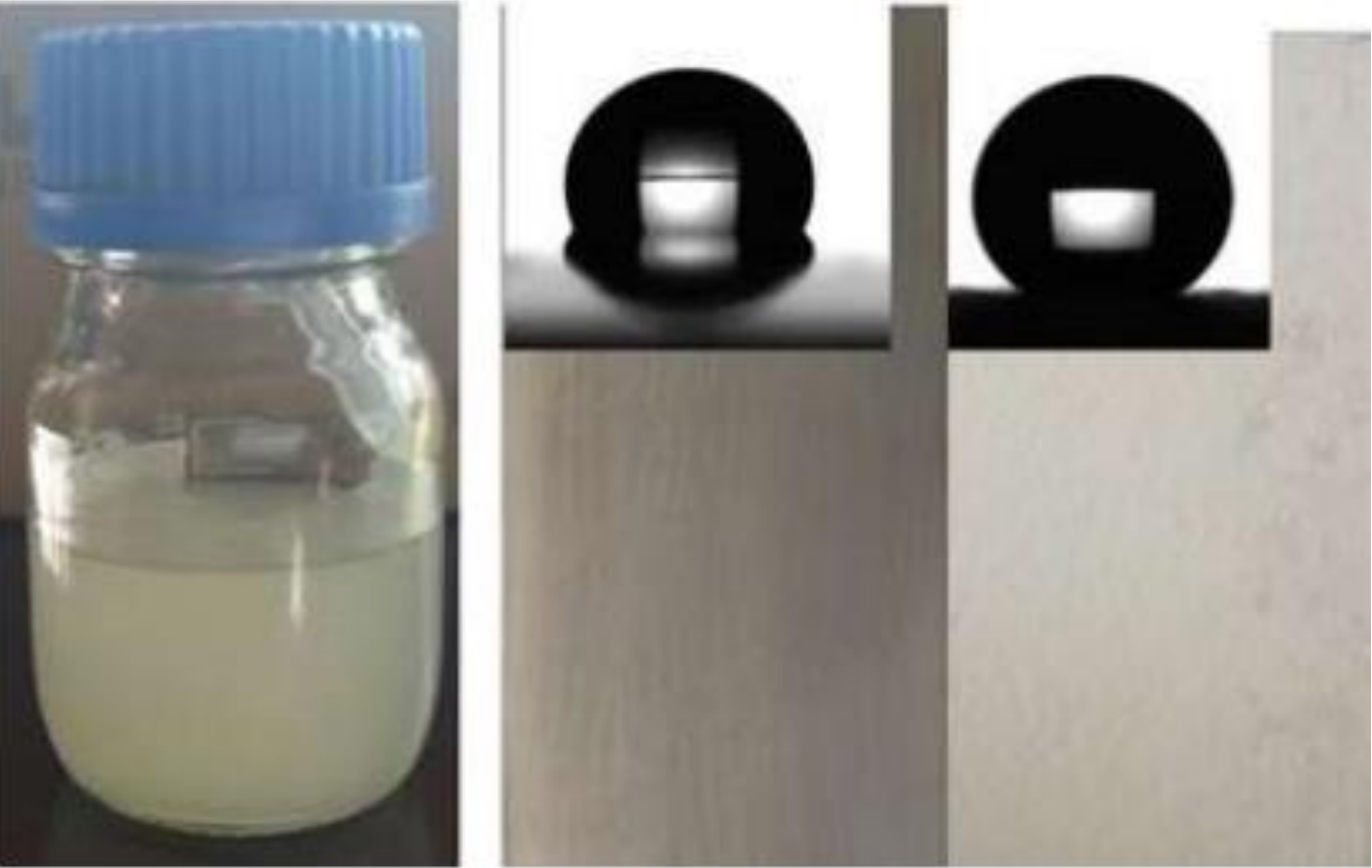
 润滑剂
润滑剂
 润滑油添加剂
 自润滑材料
自润滑材料
 密封材料
密封材料
 新兴材料
新兴材料
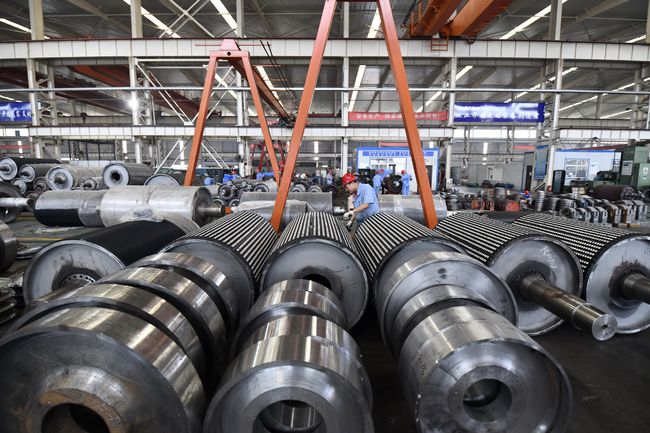 加工设备
加工设备
 摩擦试验机
摩擦试验机
 大型表征仪器
 小型测试设备