Achieving high specific energy in lithium metal batteries requires rational electrolyte design to promote effective interphase formation. State-of-the-art electrolyte design strategies fall short because they lack fundamental guidelines that connect solvent characteristics with electrolyte properties. Here we explain the influence of the medium environment on solvation states and anion reduction, and propose a mediator-enhanced electrolyte design strategy by quantitatively exploring various solvent classes using designed polarity indices. The solvent mediator approach generates, at the nanoscale, intermolecular electrostatic fields through separated solvent surface charges, enhancing interactions to better accommodate solvated lithium ions and decreasing the reduction energy barrier for anions. These tailored mediator-enhanced electrolyte solutions (MEEs) exhibit stable solvation states and adequate interphase formation, enabling robust interfacial chemistries and preventing side reactions. Using the MEE design in a 6-Ah Li ‖ LiNi0.8Co0.1Mn0.1O2 pouch cell results in an initial specific energy of 508 Wh kg−1 (based on the cell’s total mass) at 21 mA g−1 (based on the cell’s cathode mass), with 93% energy retention after 149 cycles at 42 mA g−1. In a 16-Ah zero-lithium-excess Cu ‖ LiNi0.90Mn0.05Co0.05O2 pouch cell, the MEE approach also enables an initial specific energy of about 550 Wh kg−1 (based on the cell’s total mass) at 23 mA g−1.
周老师: 13321314106
王老师: 17793132604


邮箱号码: lub@licp.cas.cn




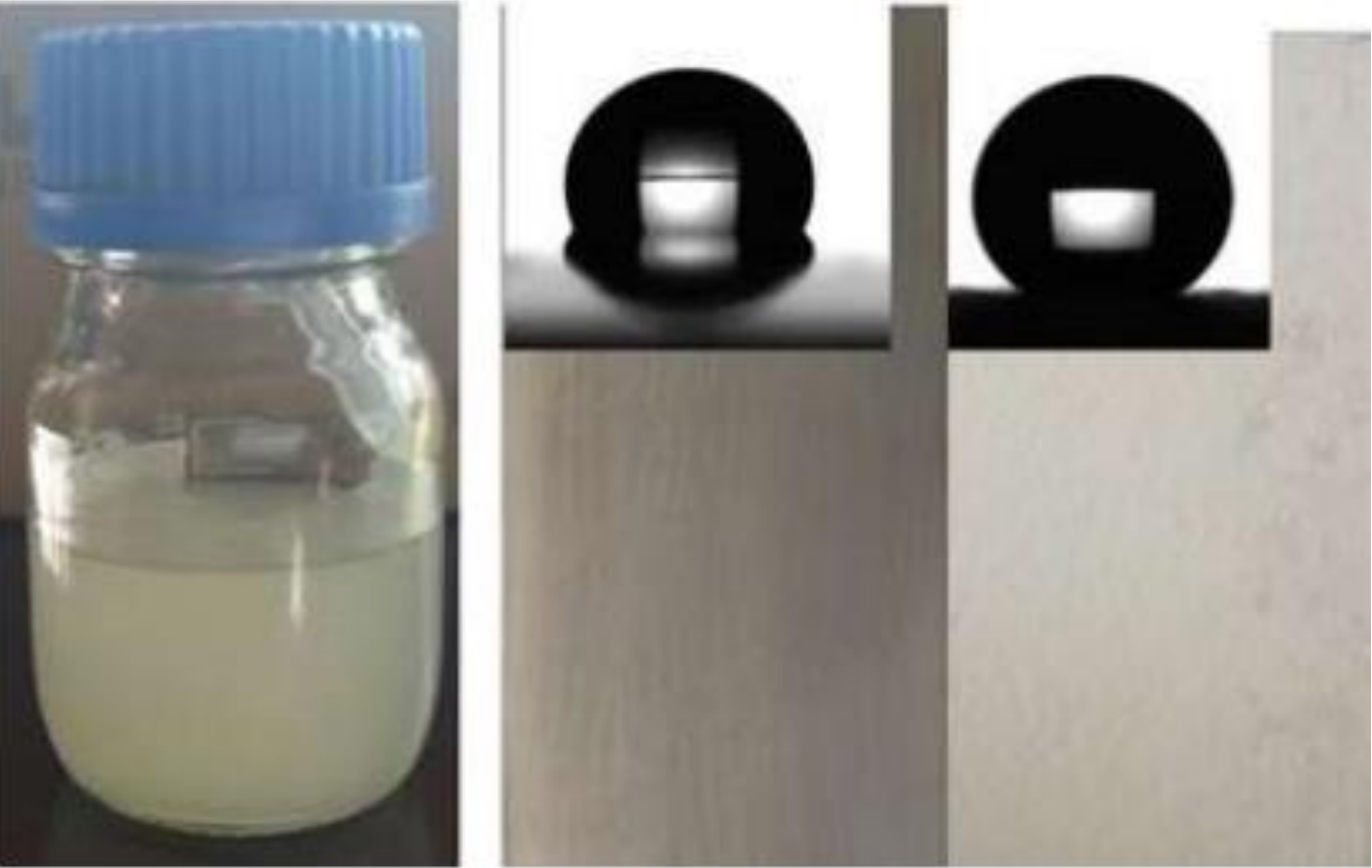
 润滑剂
润滑剂
 润滑油添加剂
 自润滑材料
自润滑材料
 密封材料
密封材料
 新兴材料
新兴材料
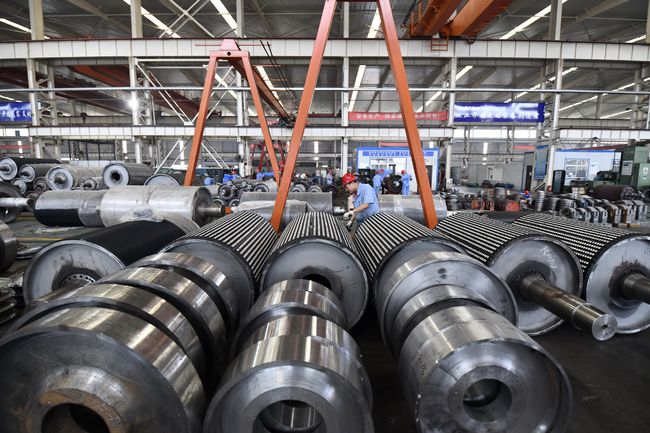 加工设备
加工设备
 摩擦试验机
摩擦试验机
 大型表征仪器
 小型测试设备