High-velocity oxygen–fuel (HVOF) is an effective method for preparing high-temperature wear-resistant coatings, which can significantly enhance the protective performance of the surface of parts. The spraying distance is a key controllable variable that directly affects the temperature, velocity, and deposition behavior of the flying particles, and thus determines the microstructure and comprehensive performance of the coating. A full-cycle model for the HVOF spraying process of nano-WC-10Co4Cr on AZ31B magnesium alloy is established in this study covers the combustion reaction, dynamic flame jetting, multiphase flow of nanoparticles, and particle deposition. The flight characteristics of nano-powders are simulated and analyzed. Based on these results, the spraying distance is optimized, and the deposition behavior is calculated, providing a theoretical foundation for actual process optimization. The study shows that the nano-powders are greatly affected by external conditions. The temperature and velocity of nanoparticles in the air domain rapidly decrease, which cannot meet the effective deposition conditions. By moving the substrate forward to be closer to the spray gun, the spraying distance is reduced from the original 545-450 mm. With the optimized spraying distance, the particle deposition rate increases by 29%. Moreover, the deposited particles exhibit better flattening and more uniform coverage of the substrate. On this basis, the deposition model is verified through SEM experiments. The microscopic morphology at the bonding surface under different spraying distances is analyzed. The results show that the bonding surface with the optimized spraying distance is smoother and flatter, the porosity of the coating decreases by 27.1%, and the coating quality is significantly improved. The validity of the model is verified, and the feasibility of adjusting the spraying distance to improve the coating quality is proved.
周老师: 13321314106
王老师: 17793132604


邮箱号码: lub@licp.cas.cn





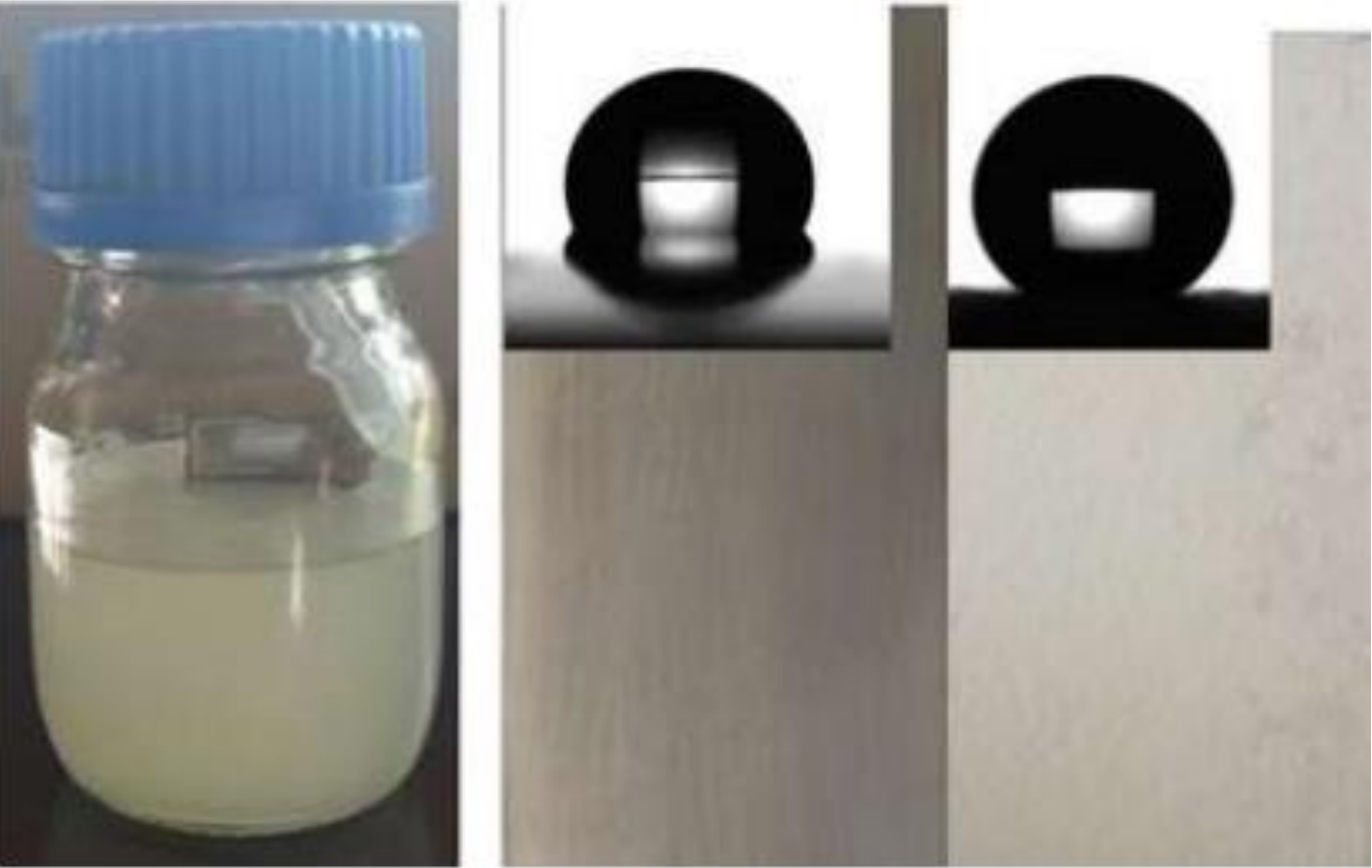
 润滑剂
润滑剂
 润滑油添加剂
 自润滑材料
自润滑材料
 密封材料
密封材料
 新兴材料
新兴材料
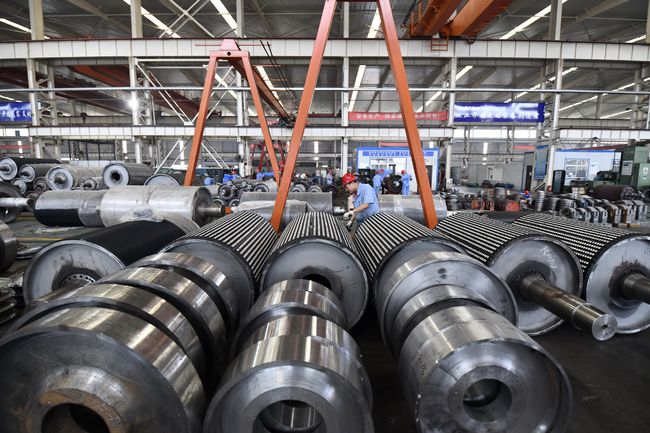 加工设备
加工设备
 摩擦试验机
摩擦试验机
 大型表征仪器
 小型测试设备