Using only heavy rare earths for grain boundary diffusion causes frequently surface segregation. We comparatively investigate the magnetic properties and diffusion features of heavy rare earths in Nd-Fe-B magnets by adopting diffusion sources with or without low-melting-point metal additives. We prepared sintered (PrNd)30.1Tb0.7B0.9Co1.4Cu0.25Al0.2Zr0.15Ga0.55Fe65.75 magnets by the single-alloy route. Subsequent grain boundary diffusion treatments were carried out with 0.43 wt% TbH2 and a composite of 0.43 wt% TbH2 plus 0.17 wt% Cu. The control variable method was adopted to determine the optimal diffusion parameters for the TbH2-Cu composite system. Under identical diffusion conditions and the same TbH₂ dosage, the coercivity of the grain boundary diffused magnet rose from 17.81 kOe to 26.47 kOe when TbH2-Cu mixed powder served as the diffusion source, which is higher than 24.09 kOe achieved with pure TbH2 diffusion source. Diffused Cu predominantly resides in the rare-earth-rich grain boundary phase and enables favorable grain boundary wetting. Cu doping facilitates the formation of a homogeneous core-shell structure, restrains surface Tb segregation and extends Tb diffusion depth, which collectively account for the coercivity enhancement. Meanwhile, it improves the integrity of the grain boundary phase and decouples the magnetic interaction between main-phase ferromagnetic grains. The findings provide novel ideas and technical routes for reducing Tb consumption in industrial GBD production. The grain surface defect and the effects of different Tb substitution ratios in the shell of the core–shell structure on the demagnetization curves and nucleation characteristics of the material were investigated through micromagnetic simulation.
周老师: 13321314106
王老师: 17793132604


邮箱号码: lub@licp.cas.cn





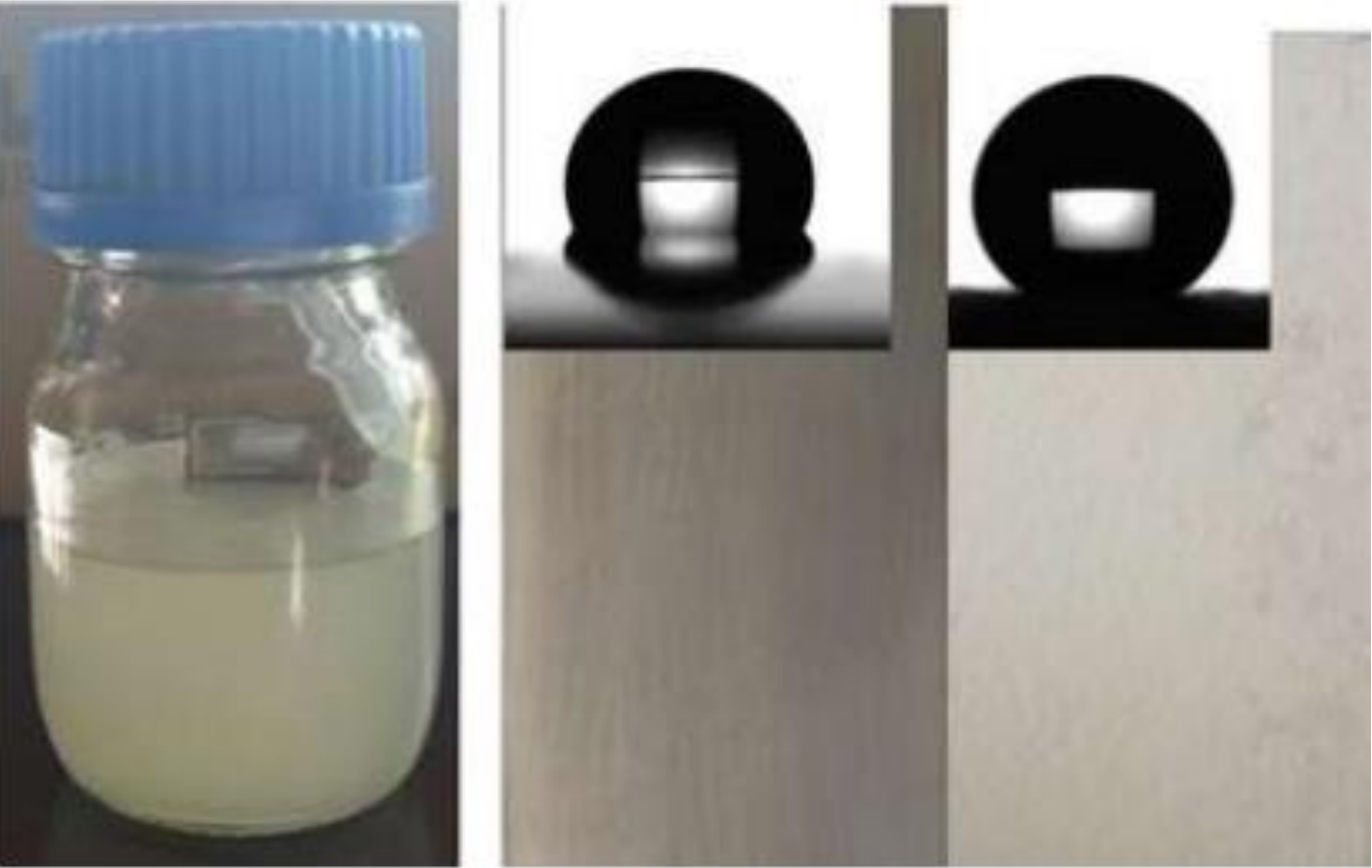
 润滑剂
润滑剂
 润滑油添加剂
 自润滑材料
自润滑材料
 密封材料
密封材料
 新兴材料
新兴材料
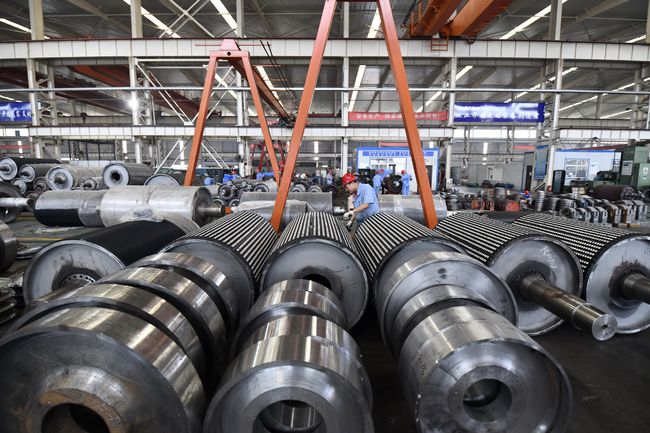 加工设备
加工设备
 摩擦试验机
摩擦试验机
 大型表征仪器
 小型测试设备