To develop a novel sweet flavor, enzymatic hydrolysate of baking green tea powder was used as the base material. The optimal enzymatic hydrolysis conditions were determined through single-factor and orthogonal experiments. After enzymatic hydrolysis, montmorillonite was employed to remove caffeine, yielding a Maillard reaction substrate. Exogenous sugars and amino acids were then added for the Maillard reaction, and volatile components of the reaction products were analyzed by GC-MS. Through optimized enzymatic hydrolysis conditions (7 h, 1.6% (w/w) composite enzyme concentration, 48 °C), the reducing sugar content increased by 41.08% compared to the control. The Maillard reaction, conducted under optimal conditions (110 °C, 100 min, pH 6.0, ribose-to-theanine molar ratio 1:2), produced a flavoring containing 29 volatile compounds, with significant increases in key ketones compared to Maillard reaction flavors without added sugars and amino acids. The resulting flavoring exhibited well-balanced baking and caramel-like sweet characteristics. This study represents the first application of ribose-theanine Maillard system for converting tea processing by-products into sweet flavorings.
周老师: 13321314106
王老师: 17793132604


邮箱号码: lub@licp.cas.cn




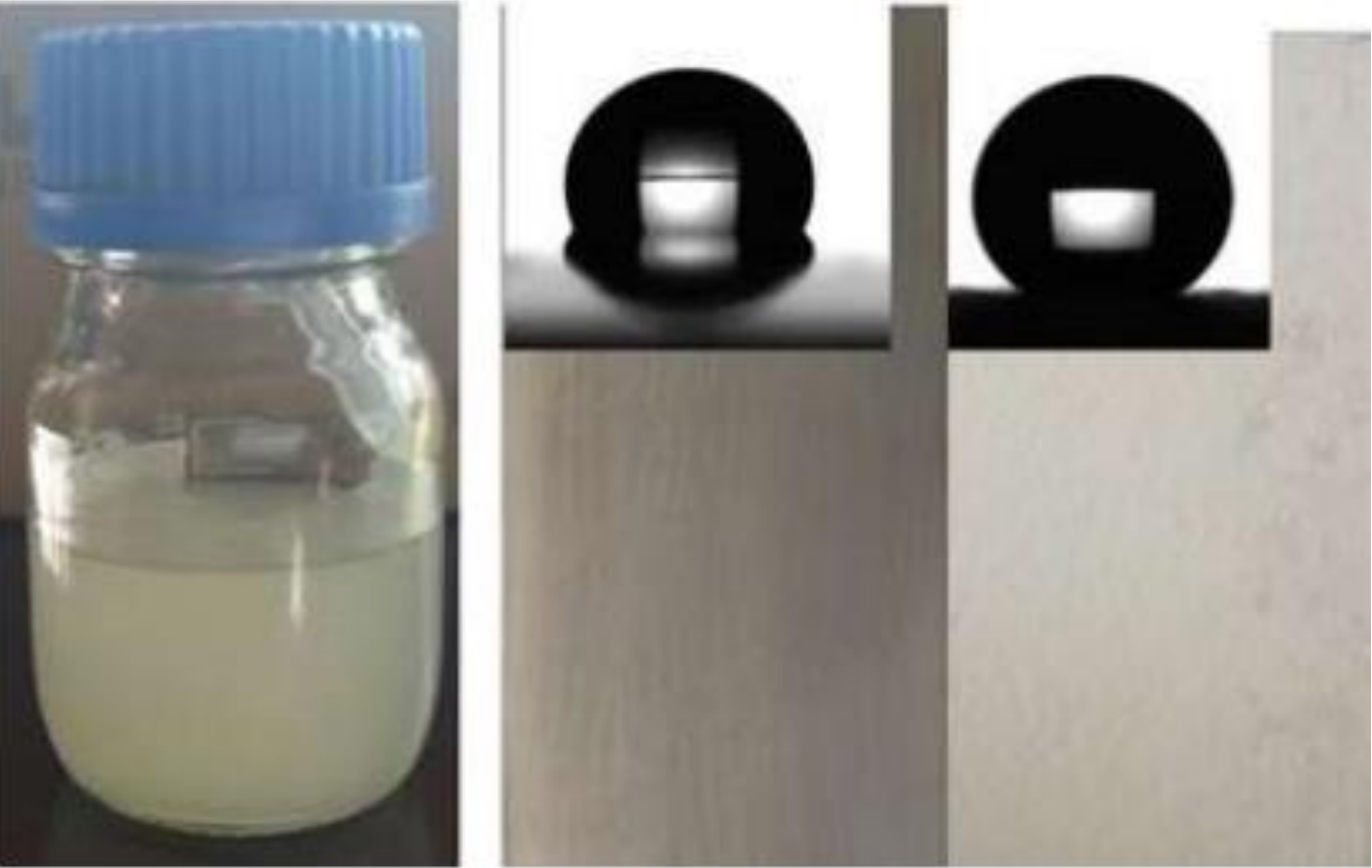
 润滑剂
润滑剂
 润滑油添加剂
 自润滑材料
自润滑材料
 密封材料
密封材料
 新兴材料
新兴材料
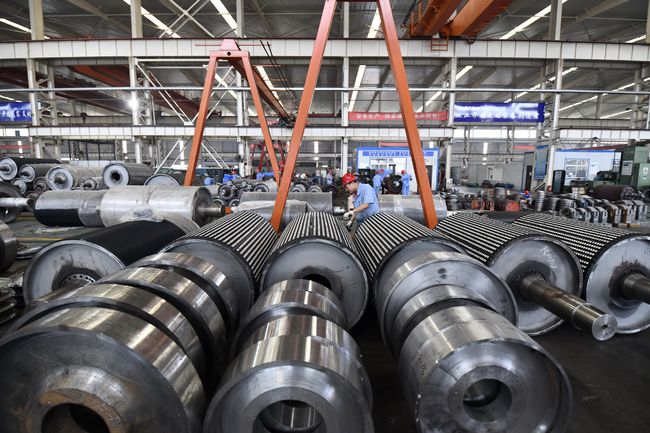 加工设备
加工设备
 摩擦试验机
摩擦试验机
 大型表征仪器
 小型测试设备