This study investigates the microstructural effects, energy evolution, and damage progression of sandstone under uniaxial cyclic freeze–thaw (F–T) conditions. Using the roof sandstone from Shuangma No. 1 Mine, uniaxial compression tests were performed on samples subjected to varying numbers of F–T cycles. PFC3D simulations were employed to reproduce the failure process and analyze microcrack evolution.Results show that both the compressive strength and elastic modulus of sandstone decrease with increasing F–T cycles. When loaded perpendicular to the freeze–thaw direction, the elastic modulus of sandstone is significantly higher than that under parallel loading; conversely, the peak strain and compressive strength show the opposite trend. Post-failure analysis reveals an increase in the total number of cracks, tensile cracks, and shear cracks with more F–T cycles for both loading directions. However, the total and tensile crack counts in the parallel direction remain consistently higher than in the perpendicular direction.Energy analysis indicates that the proportion of elastic energy at peak stress continuously decreases with more F–T cycles, though it remains higher in the parallel direction. A rebound occurs at 140 cycles. The cumulative elastic energy ratio also decreases with increasing cycles, with the parallel direction consistently exhibiting higher values. Damage evolution equations, derived from the principle of minimum energy dissipation, show that the damage threshold in the parallel direction continuously increases and stays higher than in the perpendicular direction, where it first decreases and then increases. Final damage values in both directions initially rise and then decline, with transition points at 140 and 110 cycles, respectively. These findings provide theoretical guidance for rock engineering in cold regions.
周老师: 13321314106
王老师: 17793132604


邮箱号码: lub@licp.cas.cn





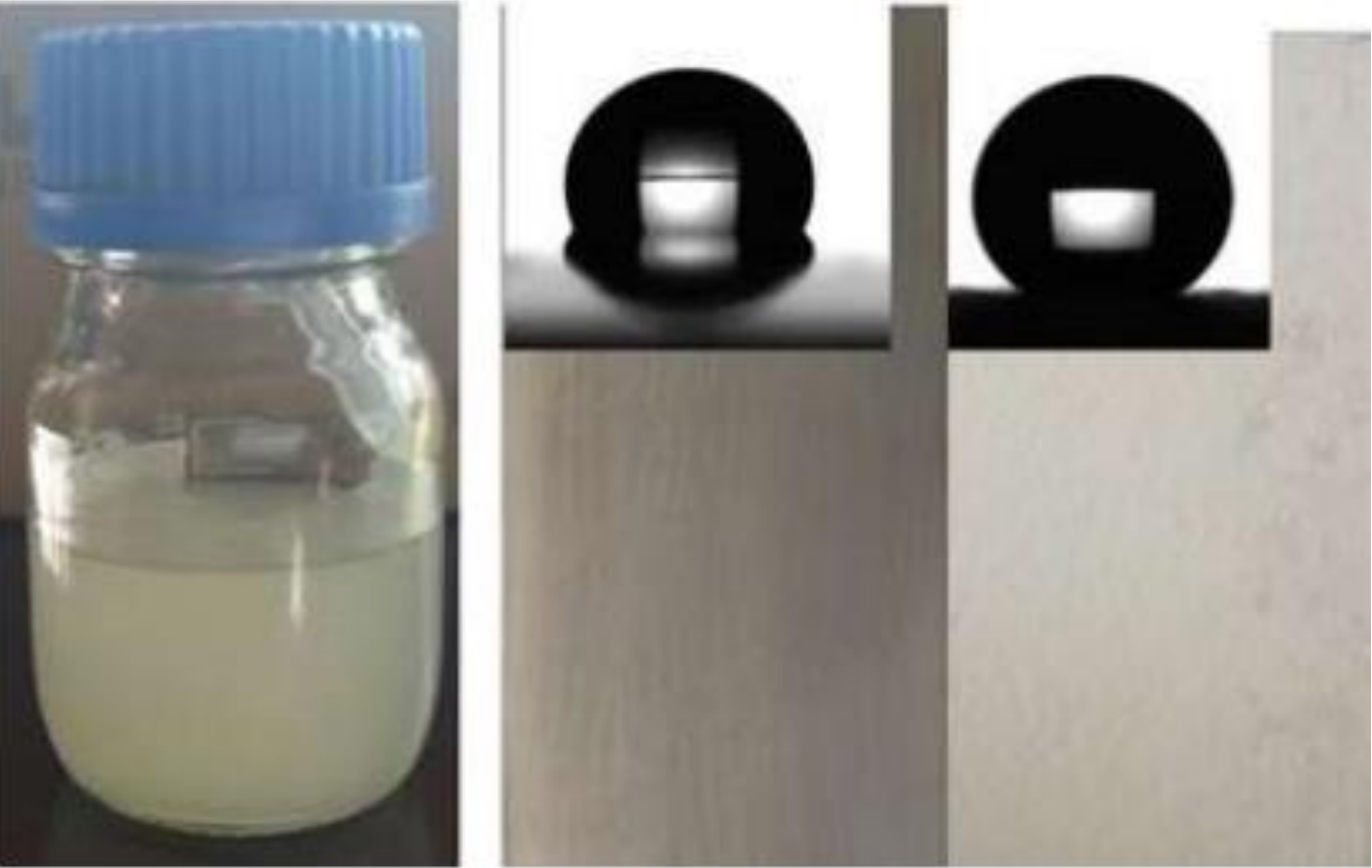
 润滑剂
润滑剂
 润滑油添加剂
 自润滑材料
自润滑材料
 密封材料
密封材料
 新兴材料
新兴材料
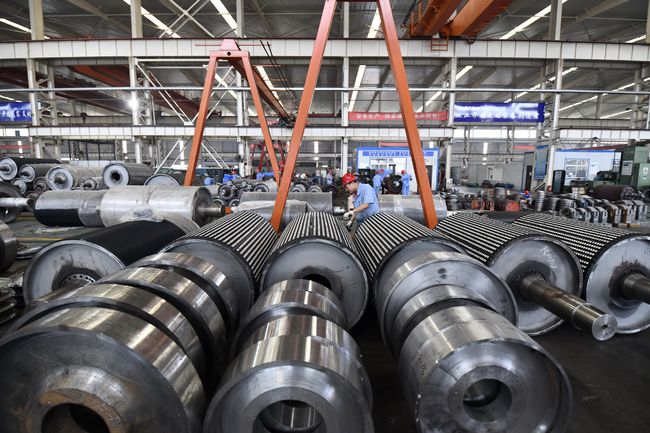 加工设备
加工设备
 摩擦试验机
摩擦试验机
 大型表征仪器
 小型测试设备