Chromosome instability is highly prevalent in cancer and drives large-scale chromosomal imbalances, known as aneuploidies1,2,3,4. How aneuploidy contributes to tumorigenesis remains difficult to study due to the vast numbers of genes affected. Here we established a CRISPR knockout- and activation-linked assay (CRISPR-KOALA), enabling high-throughput bidirectional genetic screens in immunocompetent mouse models of cancer. We developed a compendium of the ten most frequent human chromosome-arm-level alterations in basal-like breast cancer (BLBC), a disease type that is driven by large copy-number alterations (CNAs)5,6,7,8. Using CRISPR-KOALA, we screened the mouse orthologues of 3,752 genes on these arms and identified 90 cancer driver genes, the function of the vast majority of which is unknown. These genes drive distinct signalling pathways including MAPK, HIPPO and WNT, reflecting the high degree of BLBC heterogeneity. Manipulating the identified cancer driver genes overcomes the need for CNAs in Trp53-mutant BLBC mouse models. Mechanistically, we identify that PLGRKT is a potent oncogene that lies on chromosome 9p and show that its tumour-promoting activity is associated with highly stress-resistant mitochondria and an increased ability to detoxify reactive oxygen species. Together, our findings reveal that arm-level CNAs can function to select specific driver genes to promote heterogeneous biological processes.
周老师: 13321314106
王老师: 17793132604


邮箱号码: lub@licp.cas.cn





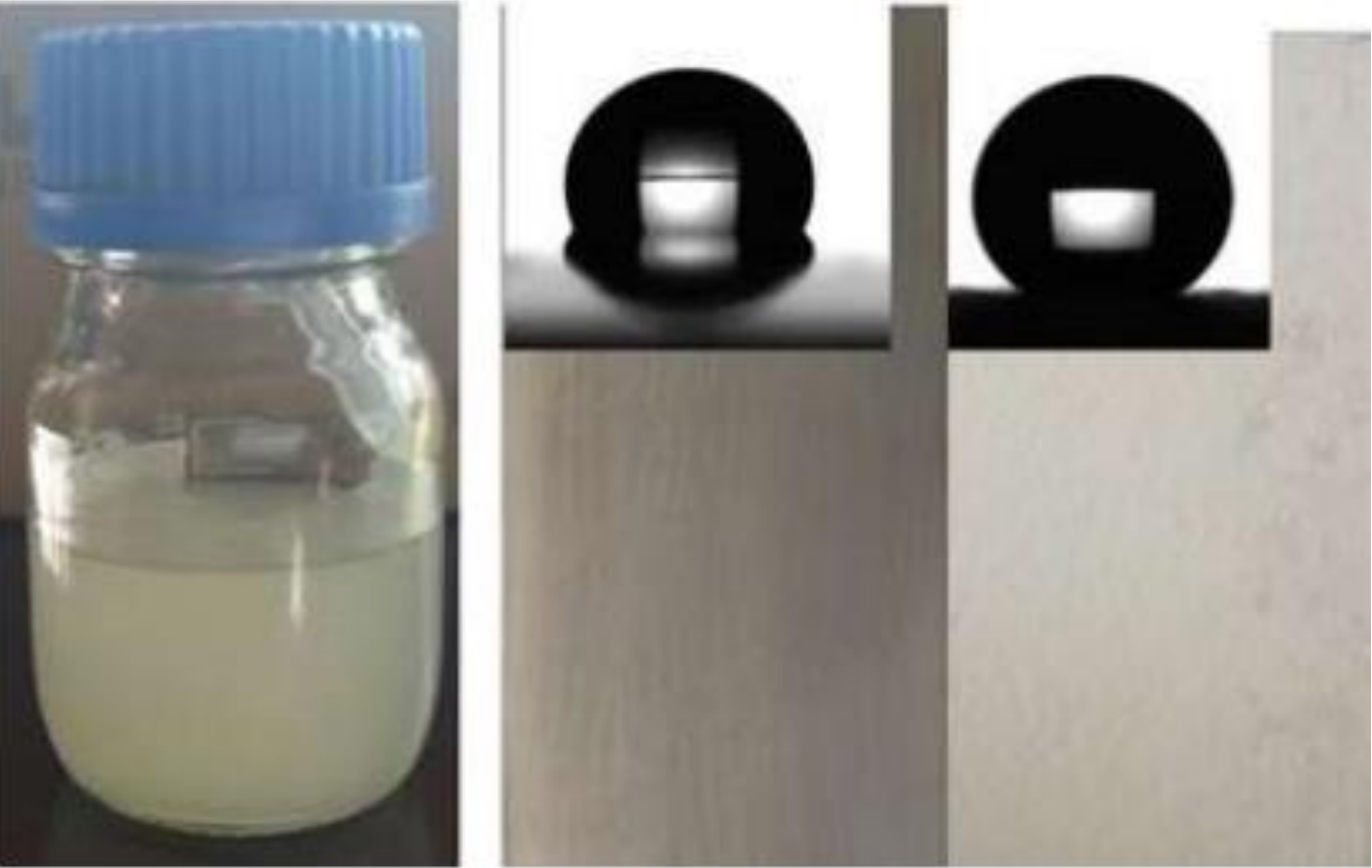
 润滑剂
润滑剂
 润滑油添加剂
 自润滑材料
自润滑材料
 密封材料
密封材料
 新兴材料
新兴材料
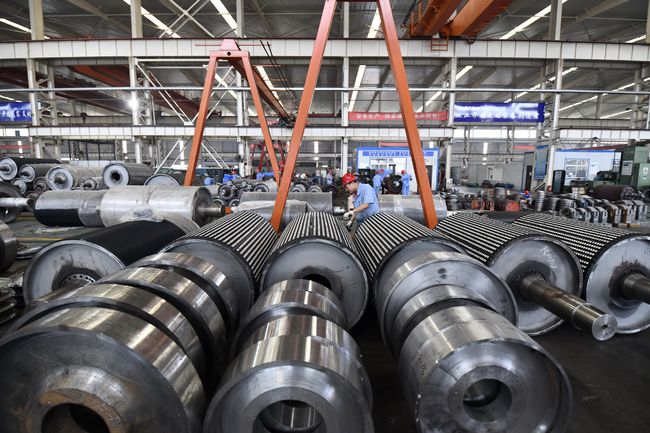 加工设备
加工设备
 摩擦试验机
摩擦试验机
 大型表征仪器
 小型测试设备