The global electrification of transport, infrastructure and industry has positioned batteries as one of the defining technologies of the twenty-first century1. For decades, progress in battery science has been measured in terms of gravimetric and volumetric energy density, power density, lifetime and cost per kilowatt-hour. This optimization paradigm has delivered remarkable advances, particularly in lithium-ion chemistries, whose performance and scalable manufacturing have enabled mass-market electric vehicles and grid storage2. However, as electrified systems become increasingly weight-sensitive, space-constrained and carbon-limited, treating batteries as purely electrochemical devices is becoming a structural limitation.
周老师: 13321314106
王老师: 17793132604


邮箱号码: lub@licp.cas.cn





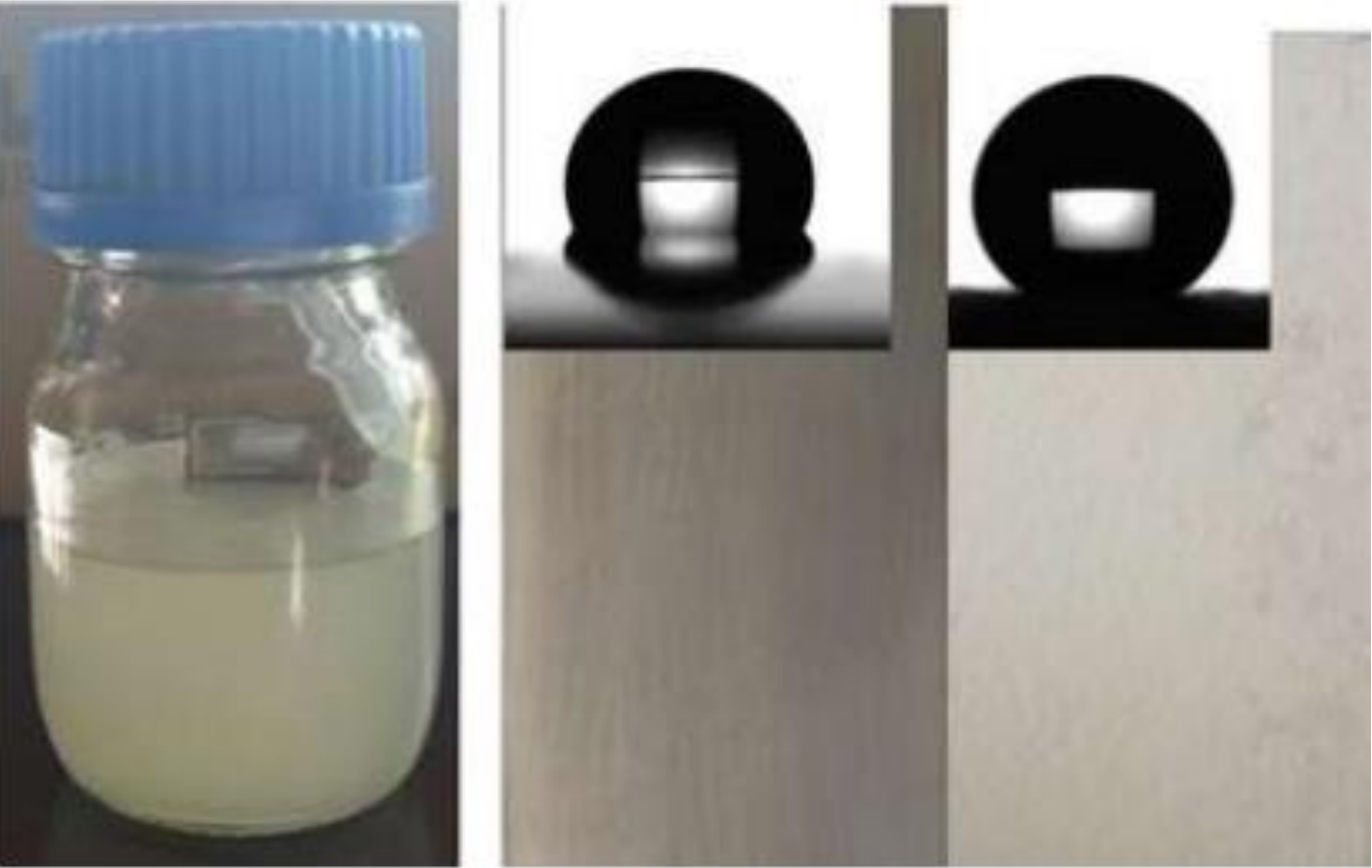
 润滑剂
润滑剂
 润滑油添加剂
 自润滑材料
自润滑材料
 密封材料
密封材料
 新兴材料
新兴材料
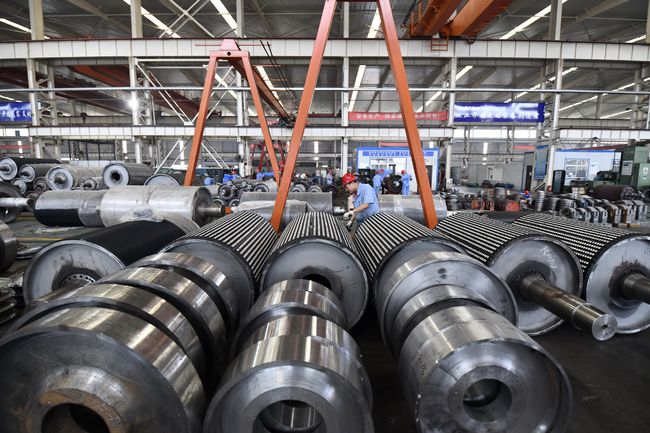 加工设备
加工设备
 摩擦试验机
摩擦试验机
 大型表征仪器
 小型测试设备