To extract functional β-glucan from Wuping Ganoderma sinense (WGG) and evaluate its physicochemical properties, structural characteristics, and immunomodulatory activity on mouse RAW 264.7 macrophages. WGG was extracted using an ultrasonic-assisted enzymatic method. Its physicochemical properties were analyzed using UV spectral scanning, high-performance gel filtration chromatography (HPGFC), high-performance liquid chromatography (HPLC), scanning electron microscopy (SEM), nuclear magnetic resonance (NMR) spectroscopy, fourier transform infrared spectroscopy (FTIR), thermogravimetric analysis (TGA), and differential scanning calorimetry (DSC). The immunomodulatory activity of WGG on RAW 264.7 macrophages was assessed by evaluating cell viability, phagocytosis, and cytokine secretion. The results showed that WGG exhibited the fundamental physicochemical characteristics of β-structured polysaccharides. The extraction rate was 0.41 mg/g, with a purity of 98.15% and a molecular weight of 8.22 × 10⁴ Da. It had a viscosity [η] of 40.25, a specific rotation \([\alpha ]_D^{25}\)of 125°, and good solubility under conditions of lower concentration, higher temperature, and pH 5.0. WGG was primarily composed of glucose with a β-(1→3)-linked backbone bearing β-(1→6)-linked branches, with an estimated backbone-to-branch ratio of approximately 3:1. Its surface was rough, presenting a sphere-like structure with a porous interior, and the particle size distribution ranged from 15 to 50 μm. The biological structure of WGG could be retained at temperatures below 230 °C, and it had typical infrared spectral features of β-type glucan. As a non-crystalline powder, WGG formed a regular helical conformation under strong alkaline conditions. WGG significantly promoted the proliferation and phagocytosis of RAW 264.7 cells and stimulated the secretion of cytokines such as NO, TNF-α, and IL-6 in a concentration-dependent manner. These findings suggest that the cultivar-specific structural features of WGG—including its molecular weight, branching ratio, and conformational properties—may contribute to its immunomodulatory activity via macrophage activation, highlighting its potential for further pharmaceutical development.
周老师: 13321314106
王老师: 17793132604


邮箱号码: lub@licp.cas.cn




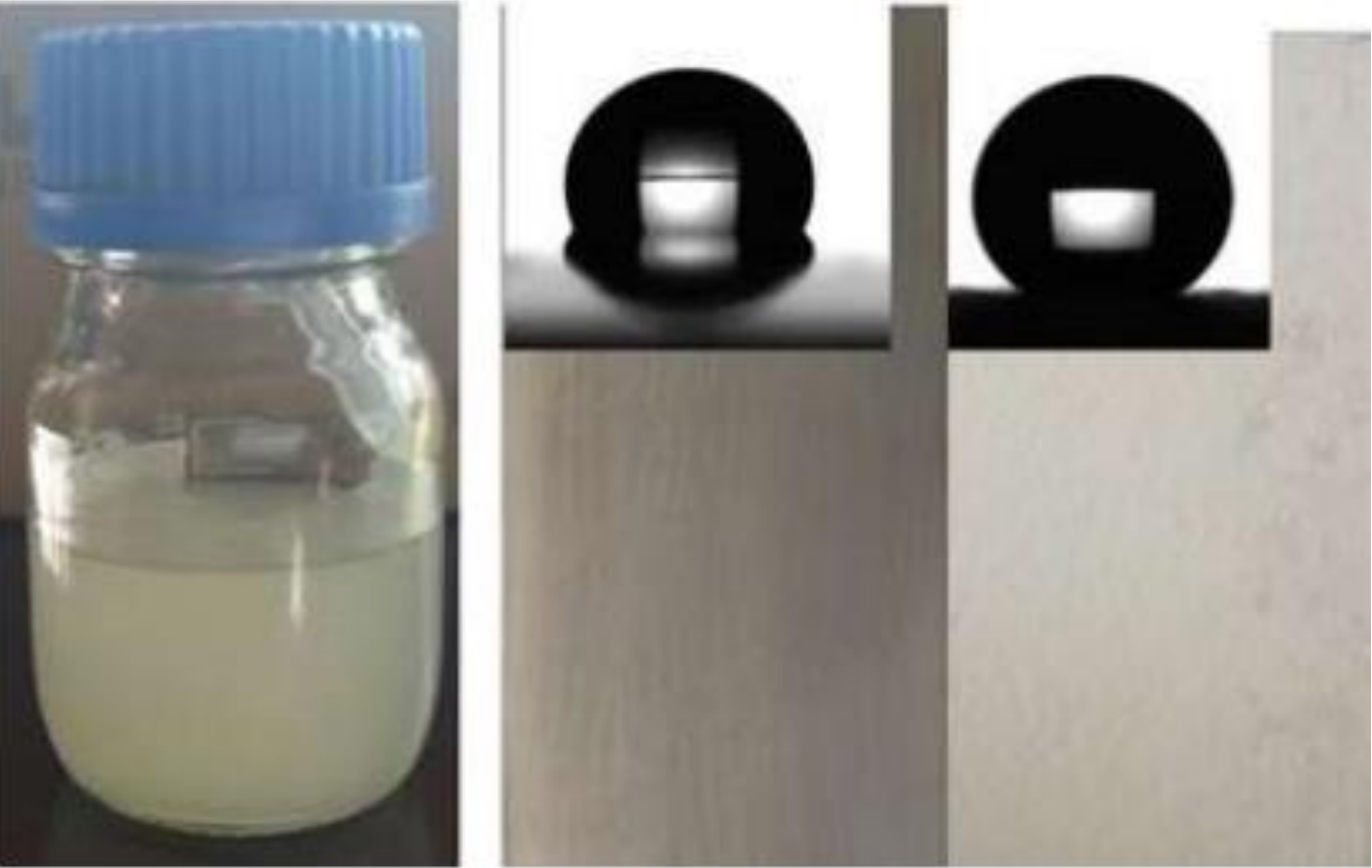
 润滑剂
润滑剂
 润滑油添加剂
 自润滑材料
自润滑材料
 密封材料
密封材料
 新兴材料
新兴材料
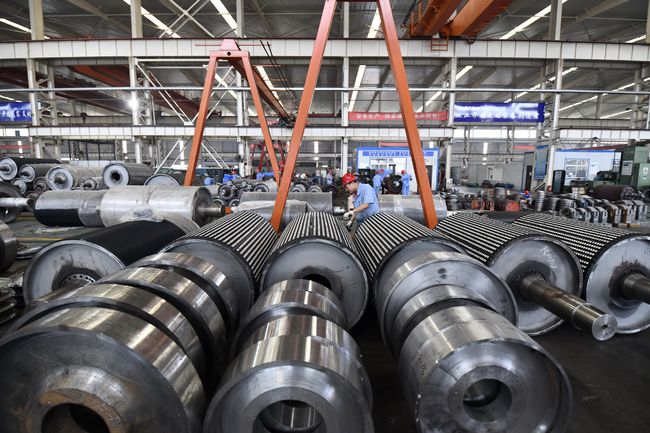 加工设备
加工设备
 摩擦试验机
摩擦试验机
 大型表征仪器
 小型测试设备