The global shortage of liquid helium and its escalating costs have intensified the demand for helium-free cooling technologies in superconducting magnet systems, particularly for magnetic resonance imaging (MRI). In conduction-cooled cryogenic systems, a critical yet often overlooked limitation is the inefficient thermal coupling between the first and second stages of the cryocooler, where the substantial cooling capacity of the first stage remains largely underutilized during cooldown. This study addresses this gap by introducing auxiliary gases (N₂ and He) into the cold head chamber to establish an additional convective heat transfer pathway, thereby leveraging the first-stage cooling power to accelerate the cooldown of the cold mass. A systematic experimental campaign was conducted under vacuum (baseline), nitrogen, and helium environments at 5 bar initial pressure. The results demonstrate that gas introduction reduces the total cooldown time by 14.8% (N₂) and 26.1% (He) compared to the vacuum baseline. Notably, nitrogen outperforms helium in the pre-phase-transition regime due to its higher molecular mass and stronger buoyancy-driven convection, while helium sustains continuous convective heat transfer throughout the entire cooldown process, avoiding the phase transition penalty observed with nitrogen around 63 K. A quantitative analysis of the transition from convection-dominated to conduction-dominated heat transfer at the nitrogen triple point is provided. This work demonstrates a simple, practical method to harness the often-wasted first-stage cooling capacity, potentially reducing system cooldown times by over 25% without requiring modifications to the cryocooler itself, and offers engineering guidance for optimizing gas selection in helium-free cryogenic systems.
周老师: 13321314106
王老师: 17793132604


邮箱号码: lub@licp.cas.cn




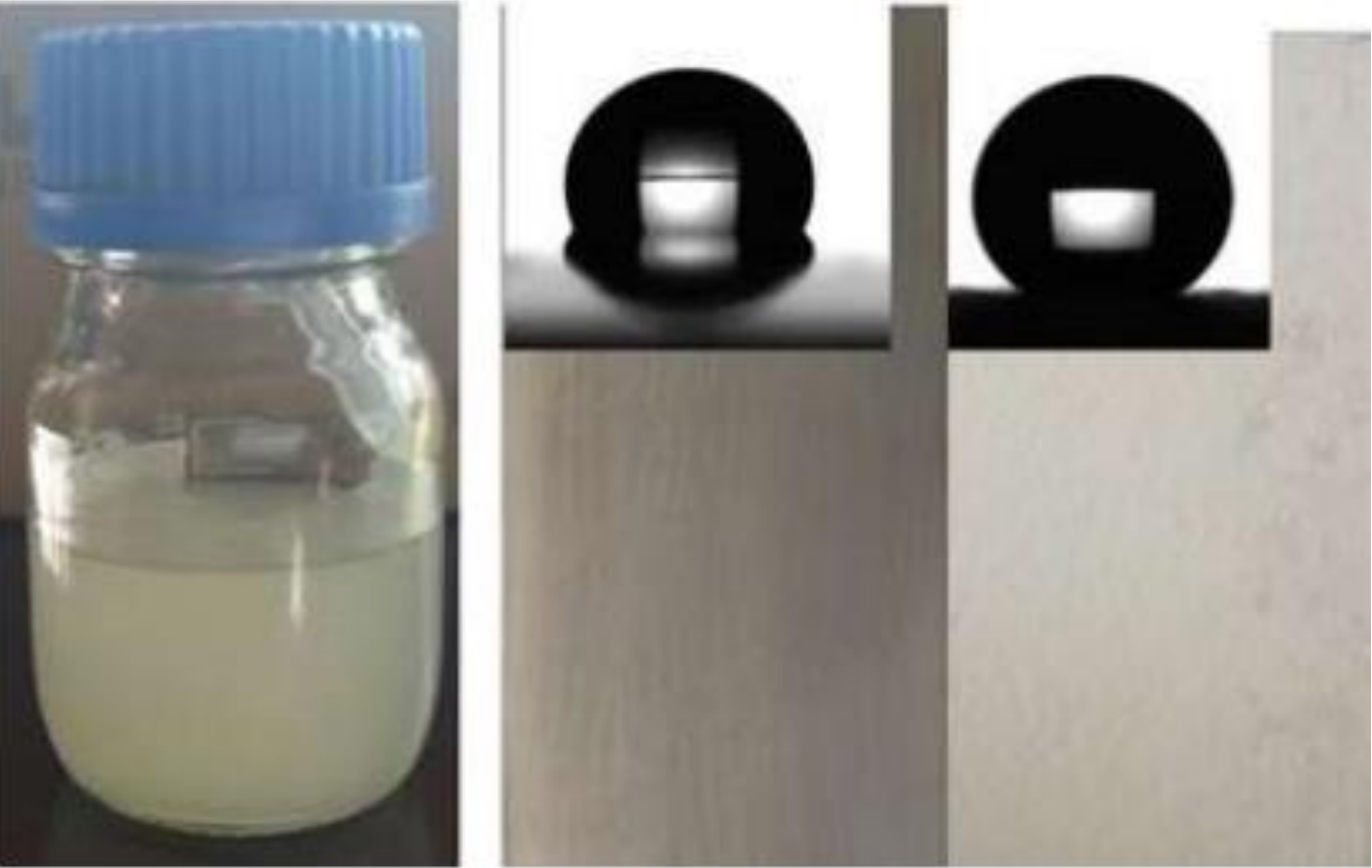
 润滑剂
润滑剂
 润滑油添加剂
 自润滑材料
自润滑材料
 密封材料
密封材料
 新兴材料
新兴材料
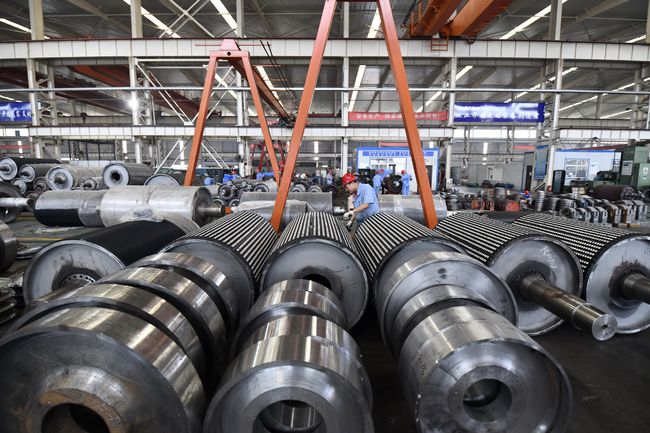 加工设备
加工设备
 摩擦试验机
摩擦试验机
 大型表征仪器
 小型测试设备