In a year that saw global mean surface temperature rise to 1.75 °C above pre-industrial levels, the urgency of deploying scalable carbon sequestration technologies is no longer a scientific abstraction. CO2 mineralization, an approach inspired by natural rock weathering, offers permanent carbon removal with low risk of re-emission. This process transforms CO2 into stable solid carbonate minerals by reacting with alkaline materials, such as natural silicate rocks and industrial wastes. In practice, engineered carbon mineralization can occur either by injecting pressurized CO2 liquid into reactive underground rock formations, where it mineralizes in situ over time, or by reacting captured CO2 gas above ground with alkaline feedstocks in engineered systems designed to accelerate the conversion. Although a conservative capacity of ~1,460 Gt CO2 has been estimated for injecting supercritical CO2 into geological formations1, this mainly reflects CO2 that is initially stored as physically trapped CO2 (Fig. 1), which carries a risk of leakage before fully reacting with rocks to form carbonates. Accelerating the subsequent conversion of this CO2 into stable carbonate minerals is therefore essential to improve storage stability and realize the long-term advantages of underground storage. CO2 mineralization also offers vast underexplored potential across a wide variety of other engineered settings. For example, mineralization of industrial feedstock provides substantial storage capacity while simultaneously generating valuable end-products such as alternatives to cement or aggregate2, addressing environmental pollution challenges and supporting material circularity in industrial ecosystems. Despite its scientific appeal, CO2 mineralization technology has yet to be widely implemented in practice owing to sluggish reactions in material processing and the associated costs and challenges of integration with existing infrastructure. Fig. 1: CO2 mineralization reaction pathways and engineering storage approaches. Full size image Industrial CO2 can be captured, as supercritical CO2 (scCO2) injected underground for mineral trapping in reactive rocks or as gas used for enhanced mineralization of alkaline feedstocks to produce alternatives to cement and aggregate. The mineralization reaction involves CO2 hydration, release of divalent metal ions, carbonate precipitation and mass diffusion.
周老师: 13321314106
王老师: 17793132604


邮箱号码: lub@licp.cas.cn




 润滑剂
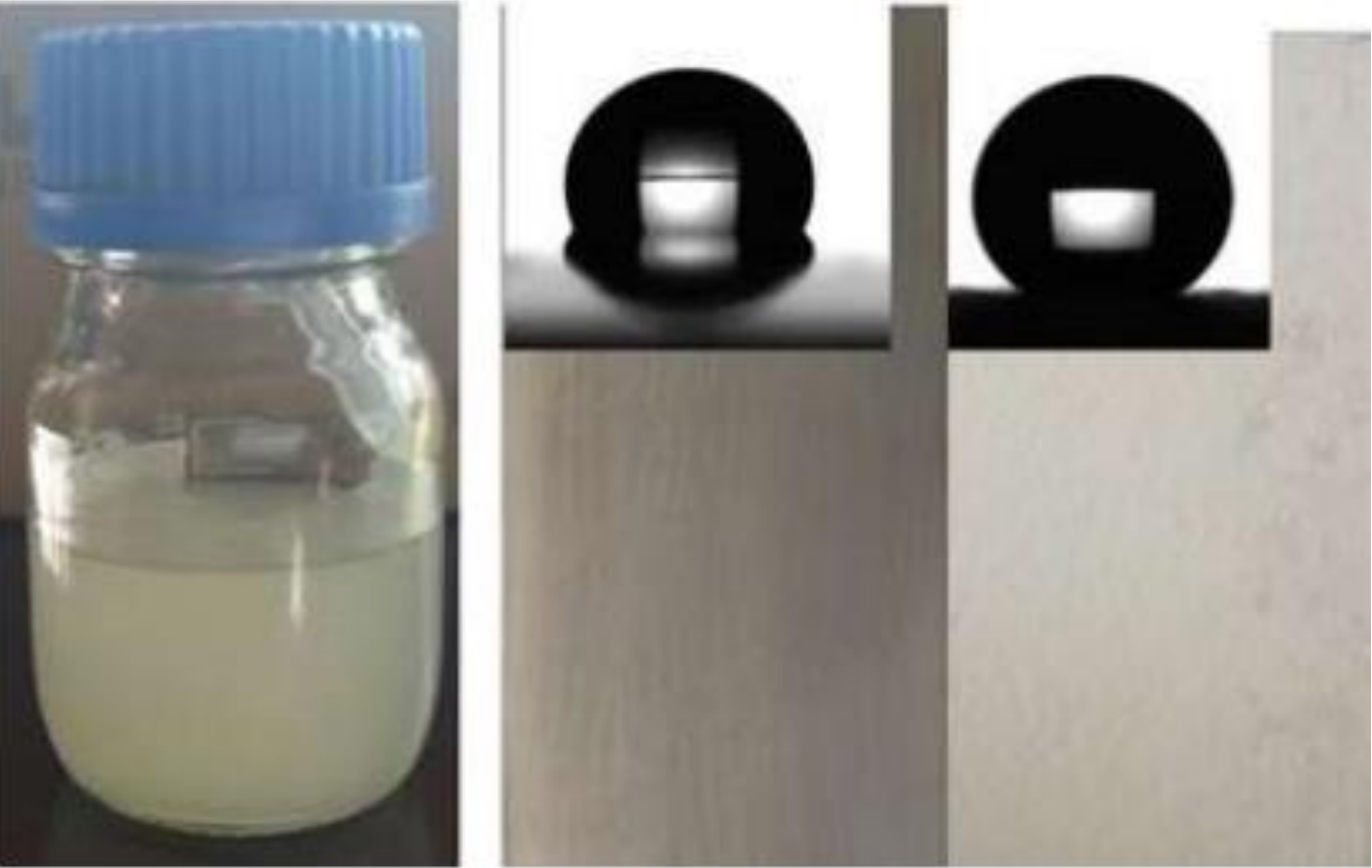
润滑剂
 润滑油添加剂
 自润滑材料
自润滑材料
 密封材料
密封材料
 新兴材料
新兴材料
 加工设备
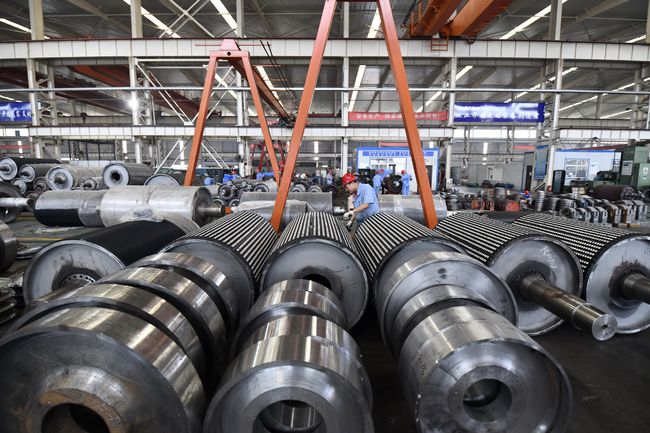
加工设备
 摩擦试验机
摩擦试验机
 大型表征仪器
 小型测试设备