The world is confronting an escalating crisis of burgeoning photovoltaic (PV) waste1. However, the effectiveness and scalability of prevailing PV waste management approaches remain unclear owing to considerable heterogeneity across regions and over time. Here we develop a comprehensive framework to evaluate the economic and climate benefits of local versus outsourced recycling, covering mainstream technologies. Considering supply-side material constraints, global PV waste will reach 297–402 million tonnes by 2060, with middle-income regions such as China becoming major contributors after 2040. Notwithstanding anticipated technological advancements, the break-even point for global PV waste recycling remains more than a decade away. Combining region-specific recycling technologies with outsourced recycling strategies yields the maximal global net benefits, reducing greenhouse gas emissions by up to 3.32 billion tonnes of CO2-equivalent and generating cumulative net benefits of US$529.1–935.5 billion by 2060. However, outsourced recycling raises inequality concerns for low-income regions. Our results show that a well-designed declining-subsidy scheme effectively mitigates these inequalities, particularly in the early stages. We suggest that regionally adapted recycling strategies and international cooperation, with a focus on technology transfer and funding for recycling capacity in low-income regions, provide effective ways to achieve equitable and scalable PV waste circularity.
周老师: 13321314106
王老师: 17793132604


邮箱号码: lub@licp.cas.cn




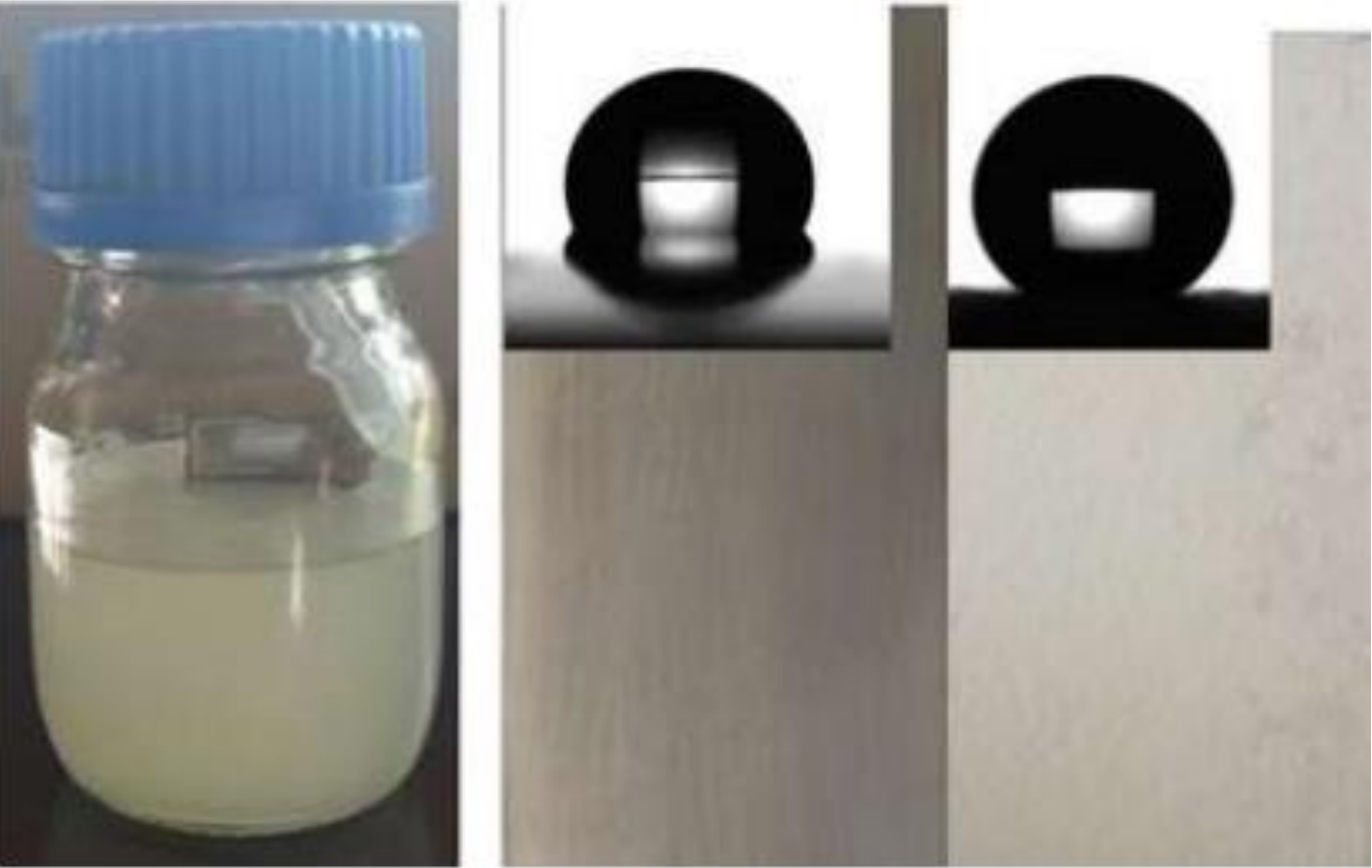
 润滑剂
润滑剂
 润滑油添加剂
 自润滑材料
自润滑材料
 密封材料
密封材料
 新兴材料
新兴材料
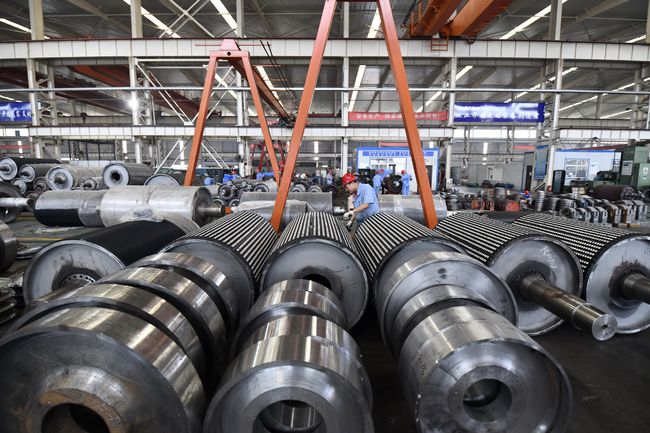 加工设备
加工设备
 摩擦试验机
摩擦试验机
 大型表征仪器
 小型测试设备