This study aims to establish a quantitative correlation between the evolution behavior of carbides in the barrel ablation layer and the local thermal history. Using the retired barrel chamber of large‑caliber 32CrNi3MoV steel as the research subject, we systematically studied the radial gradient evolution of carbides in the bore surface layer via thermodynamic calculations, nanoindentation testing, and multi‑scale microscopic characterization, while also considering the influence of heating rate on phase transformation temperatures. Thermodynamic calculations established the equilibrium phase transformation temperatures and the carbide stability range of 32CrNi3MoV steel, which provides theoretical support for predicting carbide evolution. Our results show that the barrel develops a multi‑layered structure along the radial direction, consisting of an inner white layer (austenite layer + martensite layer), a tempered matrix layer, and the original matrix layer. The carbide evolution also exhibits pronounced radial variation. By establishing a quantitative correlation between carbide type, size, fraction, and the thermodynamic phase diagram, we successfully reconstructed the radial temperature field within the barrel. The reconstructed results indicate that the peak temperature of the bore surface is estimated to exceed 930 °C, with only trace amounts of nano‑sized MC‑type carbides remaining. In the fine‑grain zone of the martensitic layer within the inner white layer, the temperature exceeds 885 °C, where partial dissolution and redistribution of carbides occur. The temperature in the transition zone is slightly above 760 °C, where partial austenitization occurs along with coexistence of MC and M23C6. The tempered matrix layer experiences only high‑temperature tempering (below 663 °C), leading to carbide coarsening and spheroidization. This study deepens the understanding of barrel erosion and wear mechanisms from the microscopic perspective of second‑phase response. It further associates carbide characteristics with thermal history and provides key theoretical and experimental data support for constructing erosion life prediction models, optimizing barrel material composition, and improving launch procedures.
周老师: 13321314106
王老师: 17793132604


邮箱号码: lub@licp.cas.cn




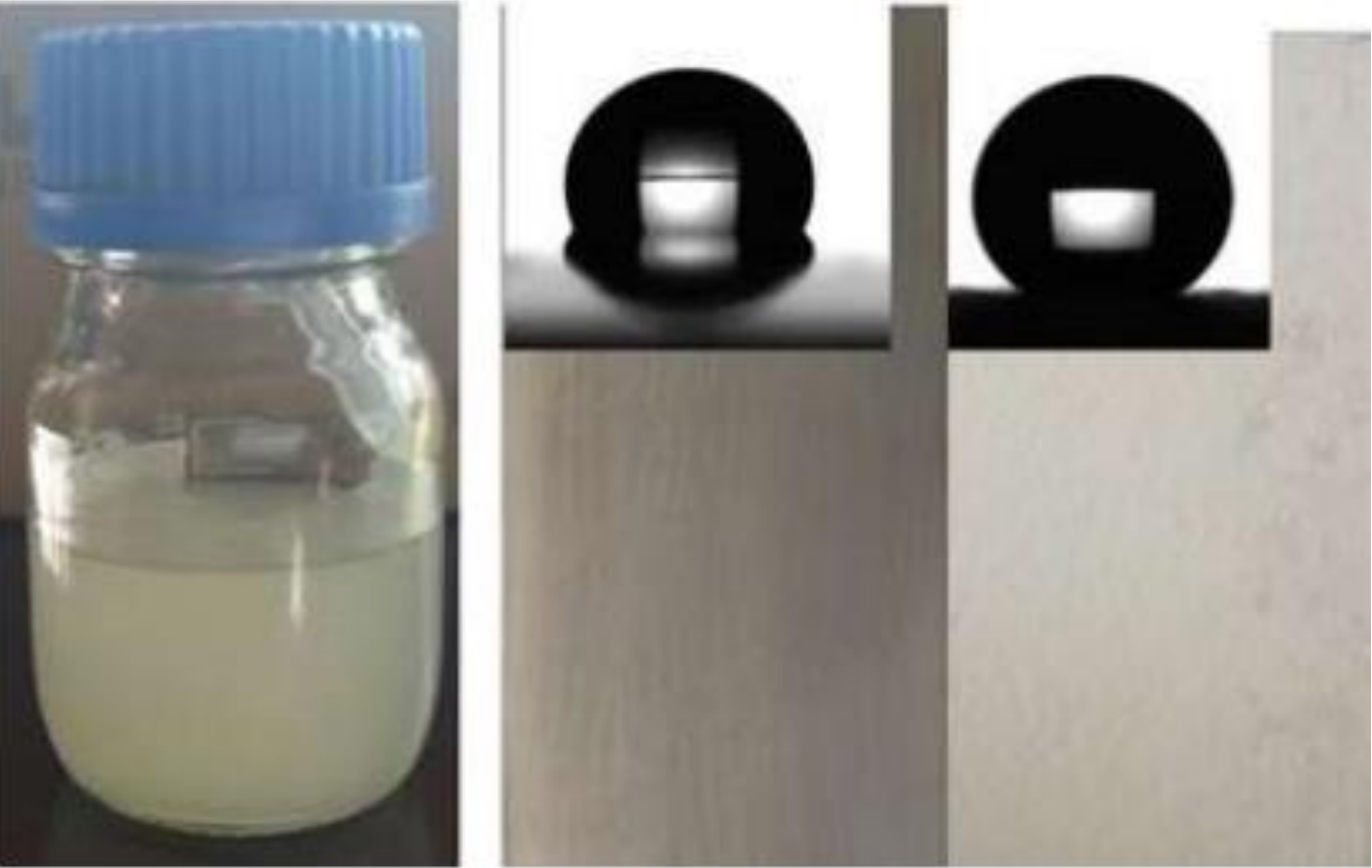
 润滑剂
润滑剂
 润滑油添加剂
 自润滑材料
自润滑材料
 密封材料
密封材料
 新兴材料
新兴材料
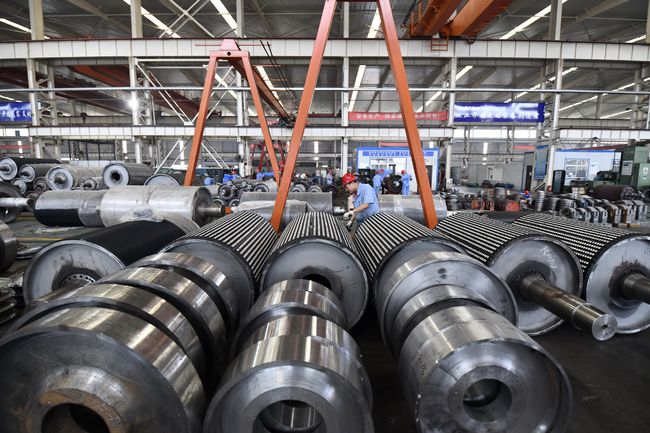 加工设备
加工设备
 摩擦试验机
摩擦试验机
 大型表征仪器
 小型测试设备