Bacterial contractile injection systems provide a model for membrane penetration and targeted delivery of molecular cargo through mechanical actuation. Replicating these features in synthetic nanoscale systems remains challenging, particularly with respect to coupling structural organization with dynamic actuation, reversibility and spatiotemporal regulation. Here we report a DNA origami nanosyringe that integrates these capabilities to enable programmable membrane translocation. The DNA origami nanosyringe comprises two ~70-nm DNA origami bundles crosslinked by a ~10-nm gold nanoparticle. One bundle forms a cholesterol-functionalized membrane-anchoring base, whereas the other serves as a DNA fuel-driven sliding needle. After binding to supported lipid bilayers or vesicle membranes, DNA-fuel actuation drives the needle downwards in ~14-nm steps, thereby enabling membrane penetration, while reverse actuation retracts the needle and promotes membrane resealing. We show that this device provides controllable delivery of cargo tethered to the needle tip into lipid-bounded compartments and can regulate biochemical processes within cell-sized environments, including membrane-localized hybridization chain reactions, RNA transcription and catalytic RNA cleavage. These results demonstrate a strategy for constructing dynamic DNA devices that operate at membrane interfaces and coordinate mechanical actuation with biochemical function.
周老师: 13321314106
王老师: 17793132604


邮箱号码: lub@licp.cas.cn




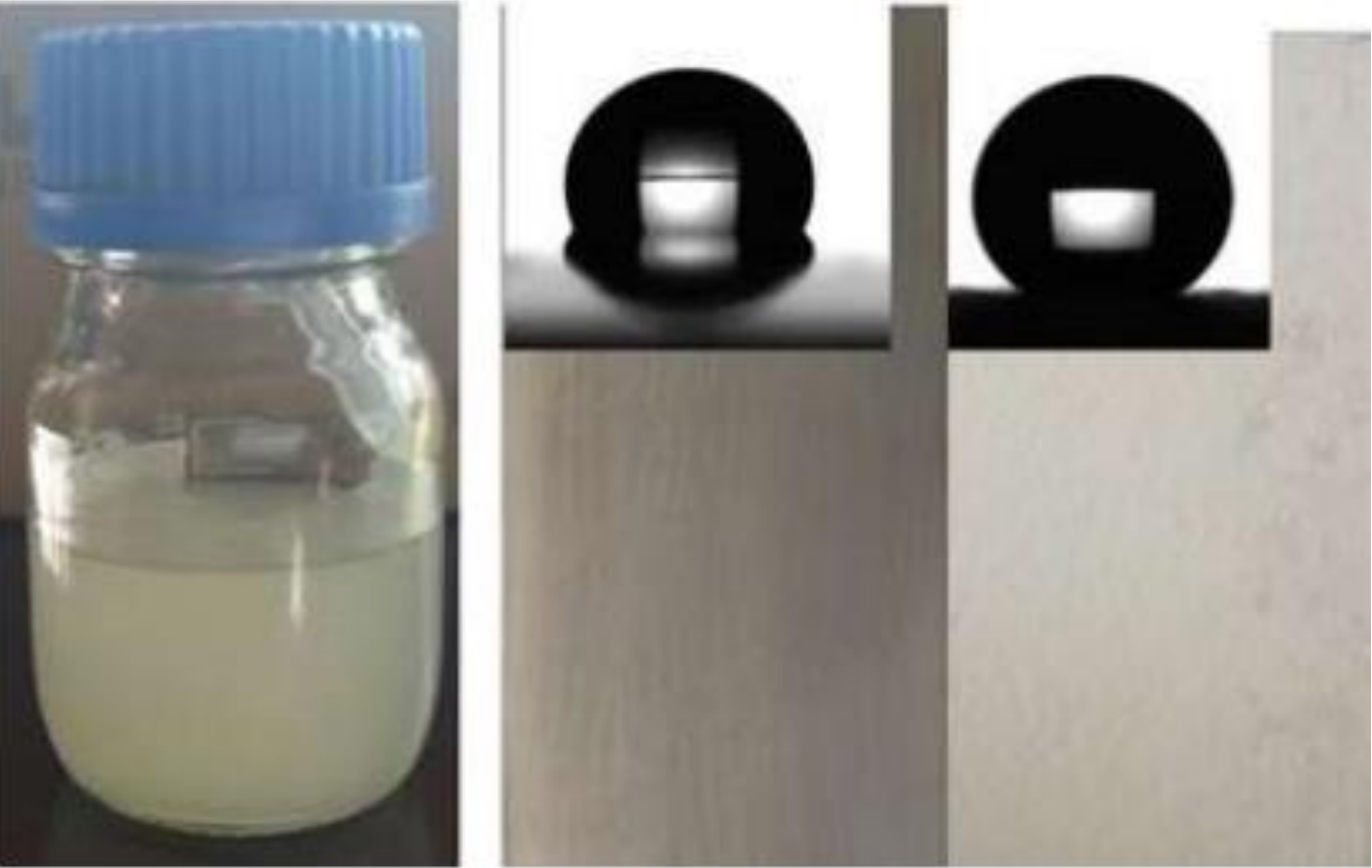
 润滑剂
润滑剂
 润滑油添加剂
 自润滑材料
自润滑材料
 密封材料
密封材料
 新兴材料
新兴材料
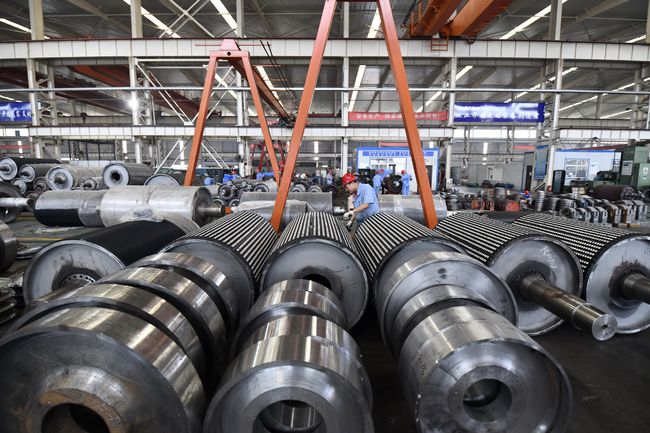 加工设备
加工设备
 摩擦试验机
摩擦试验机
 大型表征仪器
 小型测试设备