Implantable bioelectronics are typically inaccessible once implanted, and therefore structural damage, degradation and functional loss often go undetected until complications arise. Reliance on batteries further exacerbates these risks by imposing limited lifetimes, leakage hazards and non-resorbable components that may require surgical removal. Here we report a battery-free, bioresorbable triboelectric implant that enables externally readable, on-demand visualization of device status while generating electrical output. A data-driven materials-to-device workflow combines machine-learning-assisted photophysical screening with molecular-dipole-moment-based selection to identify nanoscale iridium(III) complexes optimized for both optical reporting and triboelectric charge generation. The resulting devices integrate a transcutaneous phosphorescent readout with ultrasound-driven energy harvesting, producing outlines visible to the unaided eye under handheld illumination and generating up to 3.6 Vpp at 0.5 W cm−2 of ultrasound power. In vivo studies in mice demonstrate that optical readouts track implant position, morphology and damage, correlate structural defects with loss of electrical output, and monitor integrity and bioresorption over 38 weeks. This work establishes a transient in vivo power platform whose morphology reports on structural integrity and energy-harvesting function, offering a route to observable bioelectronic implants and supporting timely intervention.
周老师: 13321314106
王老师: 17793132604


邮箱号码: lub@licp.cas.cn




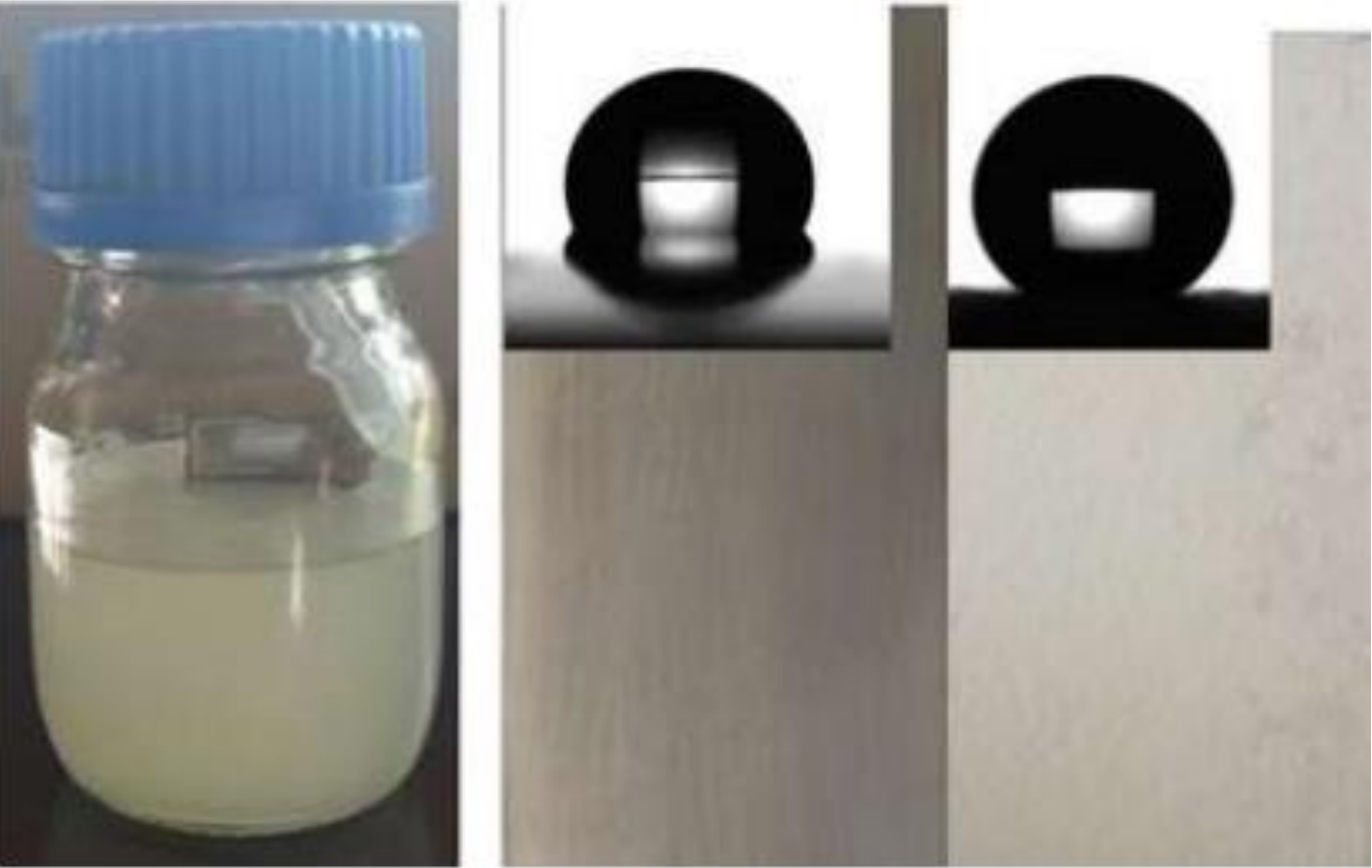
 润滑剂
润滑剂
 润滑油添加剂
 自润滑材料
自润滑材料
 密封材料
密封材料
 新兴材料
新兴材料
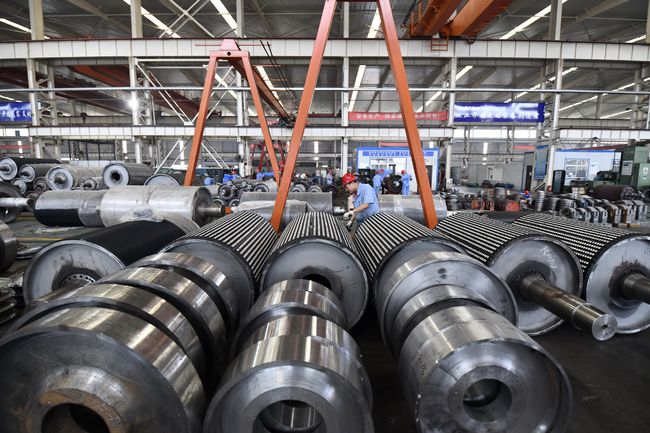 加工设备
加工设备
 摩擦试验机
摩擦试验机
 大型表征仪器
 小型测试设备