Perylene diimide (PDI)-based electron-transport layers (ETLs) are fundamental in governing charge extraction, interfacial recombination, and the operational longevity of organic solar cells (OSCs), yet their molecular design still lacks transferable principles. Here we present a PDI-ETL molecular design framework that couples bay-position engineering with polar, bulky side-chain modulation to improve additive-free alcohol solubility, suppress over-crystallization, and mitigate oxidative degradation. With this framework, H75-DMA suppresses reactive-oxygen-driven chemical evolution and interfacial trap accumulation, thereby stabilizing interfacial energetics and electron transport. Binary OSCs based on H75-DMA achieve a power conversion efficiency (PCE) above 20% and exhibit improved mechanical toughness and bending durability in flexible devices. Its smooth, high-surface-energy interface also induces continuous growth of ultrathin metal cathodes, leading to increased light-utilization efficiency in flexible semitransparent OSCs. In addition, H75-DMA enables cathode substitution from Ag to Cu while retaining about 97% of the PCE of the Ag-based devices, thereby improving cost-effectiveness at the device level.
周老师: 13321314106
王老师: 17793132604


邮箱号码: lub@licp.cas.cn




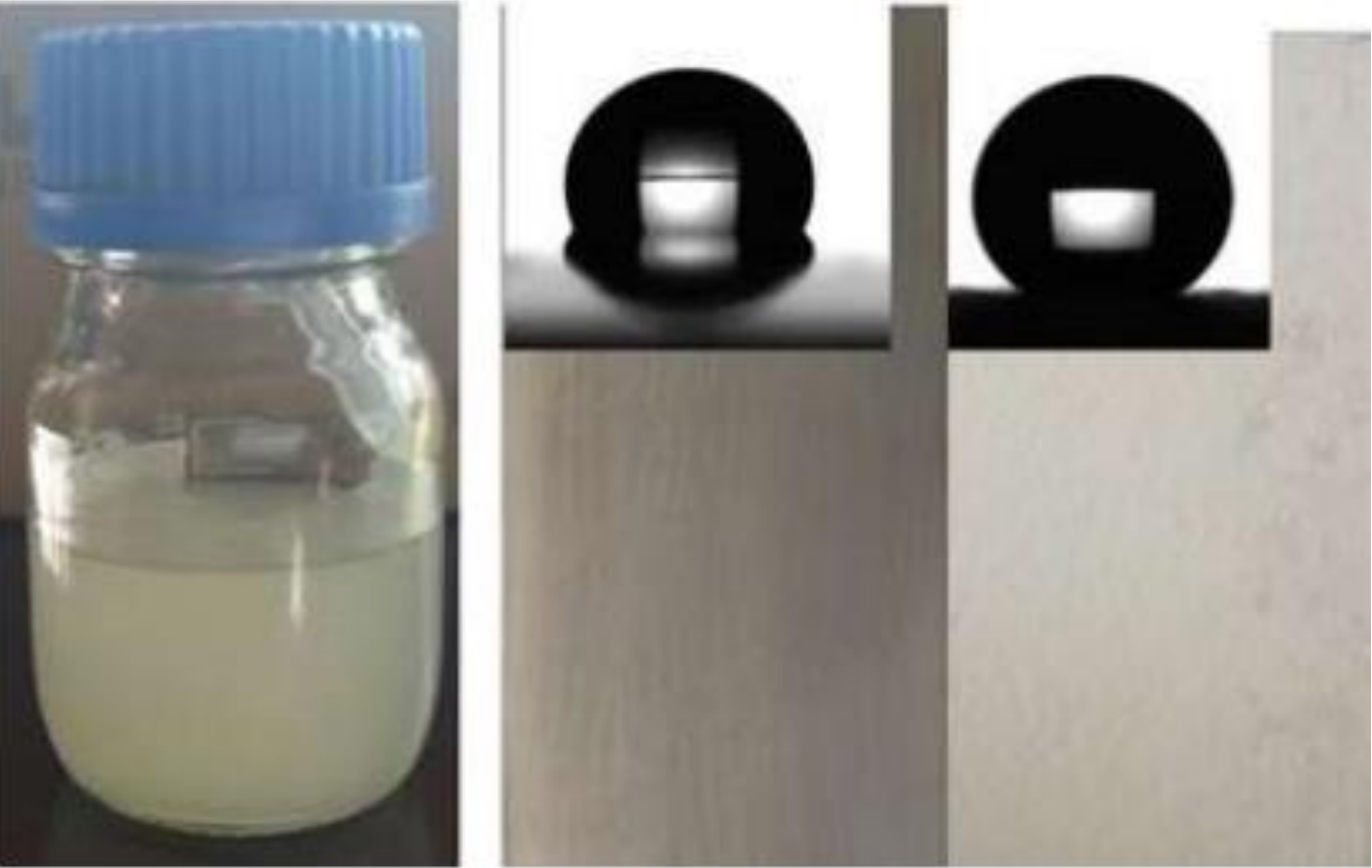
 润滑剂
润滑剂
 润滑油添加剂
 自润滑材料
自润滑材料
 密封材料
密封材料
 新兴材料
新兴材料
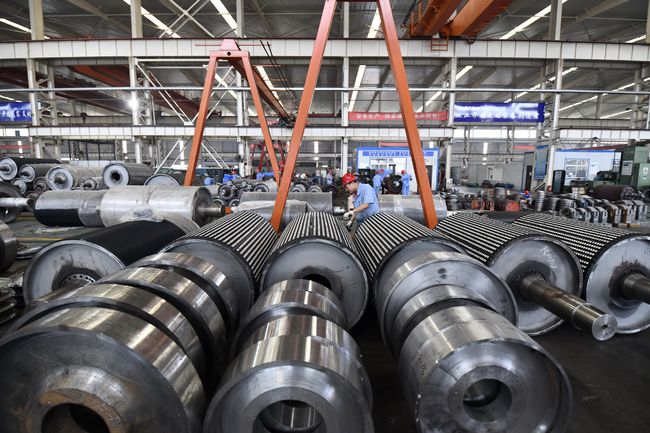 加工设备
加工设备
 摩擦试验机
摩擦试验机
 大型表征仪器
 小型测试设备