The quality of the buried interface between the self-assembled molecules (SAM) and the perovskite layer directly governs the processes of charge carrier transport and non-radiative recombination, which ultimately dictates the efficiency and stability of the inverted perovskite solar cells. However, the simultaneous mitigation of poor SAM layer adhesion and perovskite substrate interface defects remains a significant challenge. Herein, low-cost and readily available 2‑formylbenzenesulfonic acid sodium salt (2‑FAS) is employed as a bifunctional interlayer to molecularly bridge the SAM and perovskite. The benzene ring of 2‑FAS interacts via π–π stacking with the SAM, strengthening adhesion and promoting hole transfer, while its sulfonate group (-SO3−) coordinates with Pb2+ to regulate crystallization and passivate surface defects. As a result, the 2-FAS-modified devices deliver a champion power conversion efficiency of 26.21%, with a significant fill factor of 86.15%. Furthermore, Na+ from 2‑FAS occupies A‑site vacancies in the perovskite lattice, which effectively suppresses ion migration and phase transition, thereby enhancing structural integrity. Benefiting from these combined effects, unencapsulated devices retain over 90% of their initial PCE after 4500 h of storage in a nitrogen atmosphere, demonstrating exceptional long-term stability.
周老师: 13321314106
王老师: 17793132604


邮箱号码: lub@licp.cas.cn




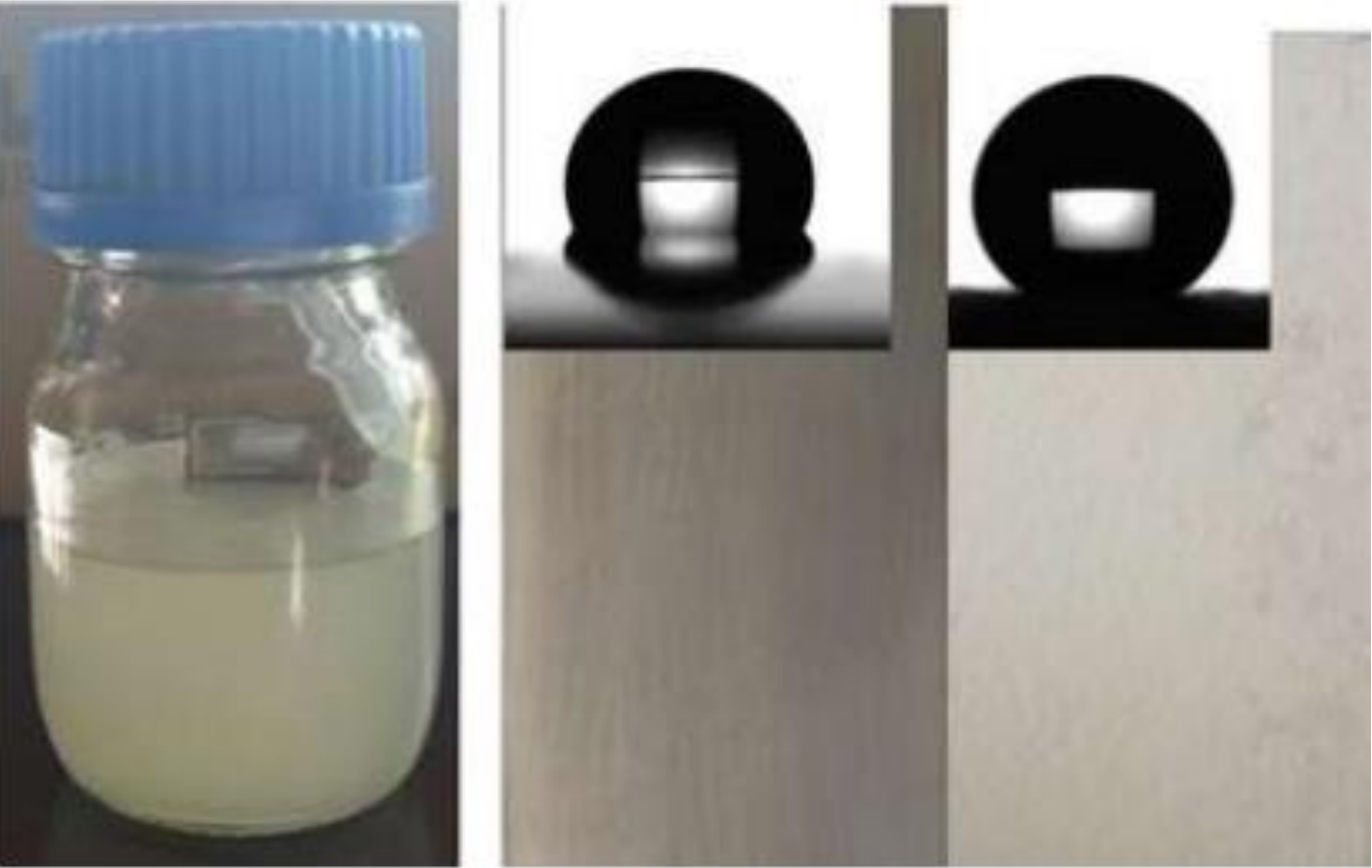
 润滑剂
润滑剂
 润滑油添加剂
 自润滑材料
自润滑材料
 密封材料
密封材料
 新兴材料
新兴材料
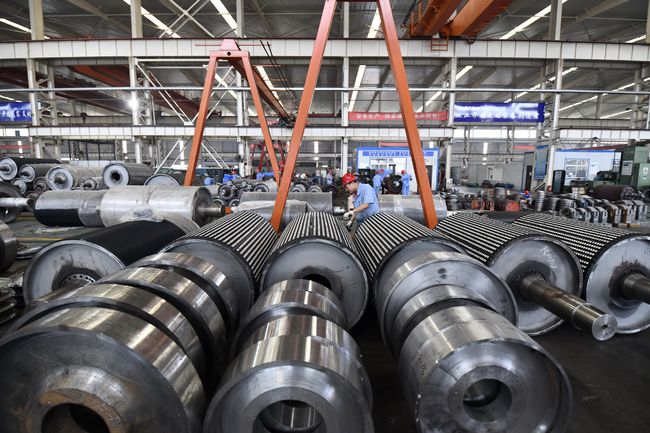 加工设备
加工设备
 摩擦试验机
摩擦试验机
 大型表征仪器
 小型测试设备