The construction of protocell networks with self-regulated spatial dynamics and functions is an important challenge in the emerging field of colloidal systems chemistry. Existing strategies predominantly produce protocell networks with fixed or randomly distributed spatial organization, relying on direct surface interactions or externally imposed conditions, while largely overlooking dynamic interactions with the surrounding environment, thereby limiting the emergence of reconfigurable network behaviours. Here we demonstrate chemical strategies for implementing the spontaneous segregation and selective translocation of binary/ternary populations of enzyme-containing proteinosomes in dextran droplet/polyethylene glycol aqueous phase-separated media. The segregated proteinosomes exhibit tunable membrane wettability, engage in cross-community chemical signalling and undergo signal-induced reversals in phase compatibility to produce reconfigurable networks capable of protocell-mediated recruitment and dispatchment. We exploit the protocell phase dynamics to spatiotemporally modulate DNase I activity in a subpopulation of translocating proteinosomes. Our methodology provides a platform for developing protocell communities with self-regulated spatiotemporal order and offers opportunities in cytomimetic modelling and colloidal systems chemistry.
周老师: 13321314106
王老师: 17793132604


邮箱号码: lub@licp.cas.cn





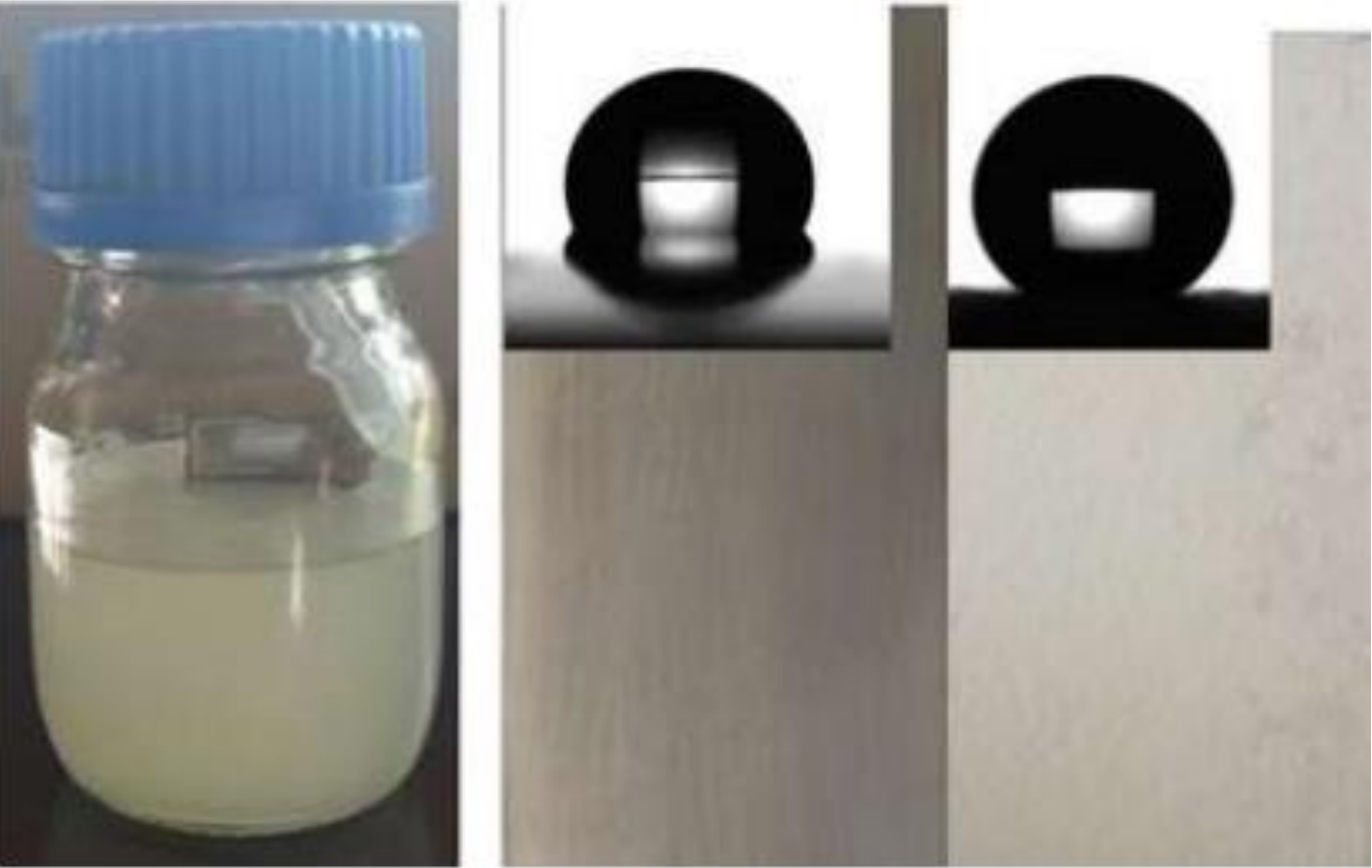
 润滑剂
润滑剂
 润滑油添加剂
 自润滑材料
自润滑材料
 密封材料
密封材料
 新兴材料
新兴材料
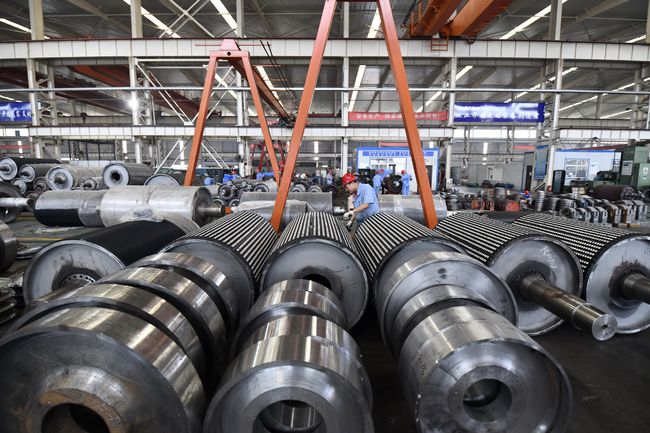 加工设备
加工设备
 摩擦试验机
摩擦试验机
 大型表征仪器
 小型测试设备