Artificial intelligence (AI) has advanced rapidly in recent years and has been widely applied in healthcare, intelligent sensing, machine perception, and image recognition. Neuromorphic computing, inspired by the structure and operating principles of the human brain, has emerged as a promising paradigm for building efficient, low-power, and adaptive information processing systems. In this review, we summarize the development of neuromorphic memristors from the perspectives of biological inspiration, representative material systems, device architectures, performance metrics, and artificial intelligence-oriented applications. Different from previous reviews that mainly focus on memristor materials, switching mechanisms, or neuromorphic functions separately, this article further emphasizes the relationships between memristor characteristics and distinct AI-oriented tasks, including AI acceleration, neuromorphic computing, intelligent sensing, and human–machine interaction. Finally, the major challenges and future opportunities of neuromorphic memristors are discussed from the viewpoints of device optimization, system integration, scalability, and practical application.
周老师: 13321314106
王老师: 17793132604


邮箱号码: lub@licp.cas.cn




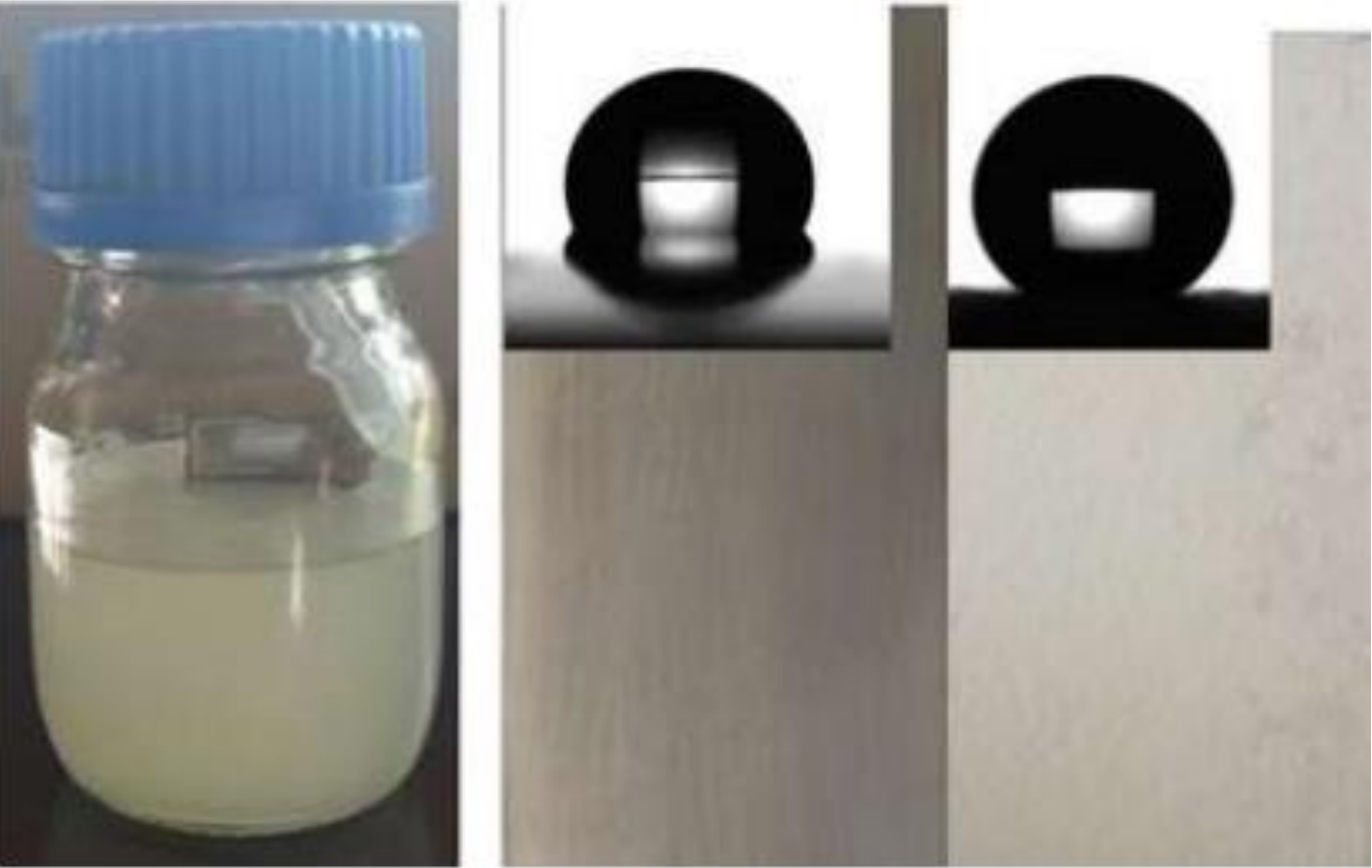
 润滑剂
润滑剂
 润滑油添加剂
 自润滑材料
自润滑材料
 密封材料
密封材料
 新兴材料
新兴材料
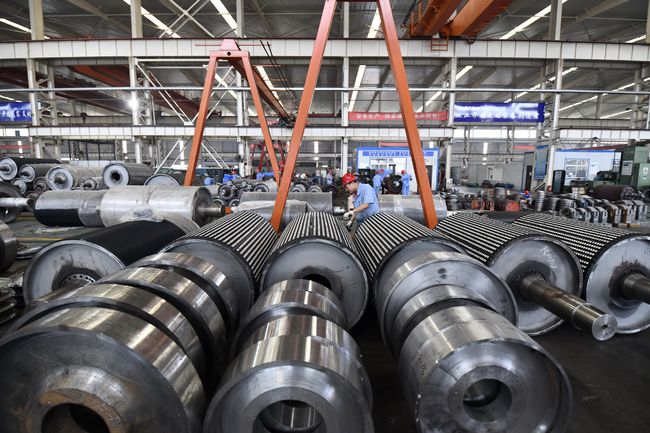 加工设备
加工设备
 摩擦试验机
摩擦试验机
 大型表征仪器
 小型测试设备