This study investigates the mechanical and tribological performance of sustainable epoxy composites reinforced with alkali-treated hybrid plant fibers and bio-fillers. The composites were fabricated using sisal, hemp, flax, and bamboo fibers as hybrid reinforcements, all subjected to NaOH treatment, and incorporated bio-fillers derived from coconut shell, eggshell, and nutshell powders. Response Surface Methodology (RSM) combined with a Box–Behnken Design was employed to optimize three key parameters: fiber orientation (0°, 45°, and 90°), NaOH treatment duration (2–4 h), and bio-filler content (2–4 wt%). The novelty of this work lies in the integrated statistical optimization of a four-fiber hybrid system with multiple bio-fillers, together with a combined evaluation of mechanical properties and wear resistance. The optimized composite exhibited enhanced tensile strength (72.6 MPa), flexural strength (118.4 MPa), compressive strength (103.8 MPa), impact strength (8.7 KJ/m), and hardness (84.1 Shore D), along with an ultra-low specific wear rate of 0.0042mm3/N.m. Analysis of variance (ANOVA) confirmed the statistical significance of all input paramet2ers (p < 0.05), Scanning electron microscopy (SEM) revealed improved fiber–matrix interfacial bonding and uniform dispersion of bio-fillers within the epoxy matrix. Overall, the results demonstrate that hybridized natural fiber epoxy composites can effectively sustain mechanical loads while offering superior wear resistance, highlighting their potential for applications in automotive, construction, and consumer product sectors.
周老师: 13321314106
王老师: 17793132604


邮箱号码: lub@licp.cas.cn





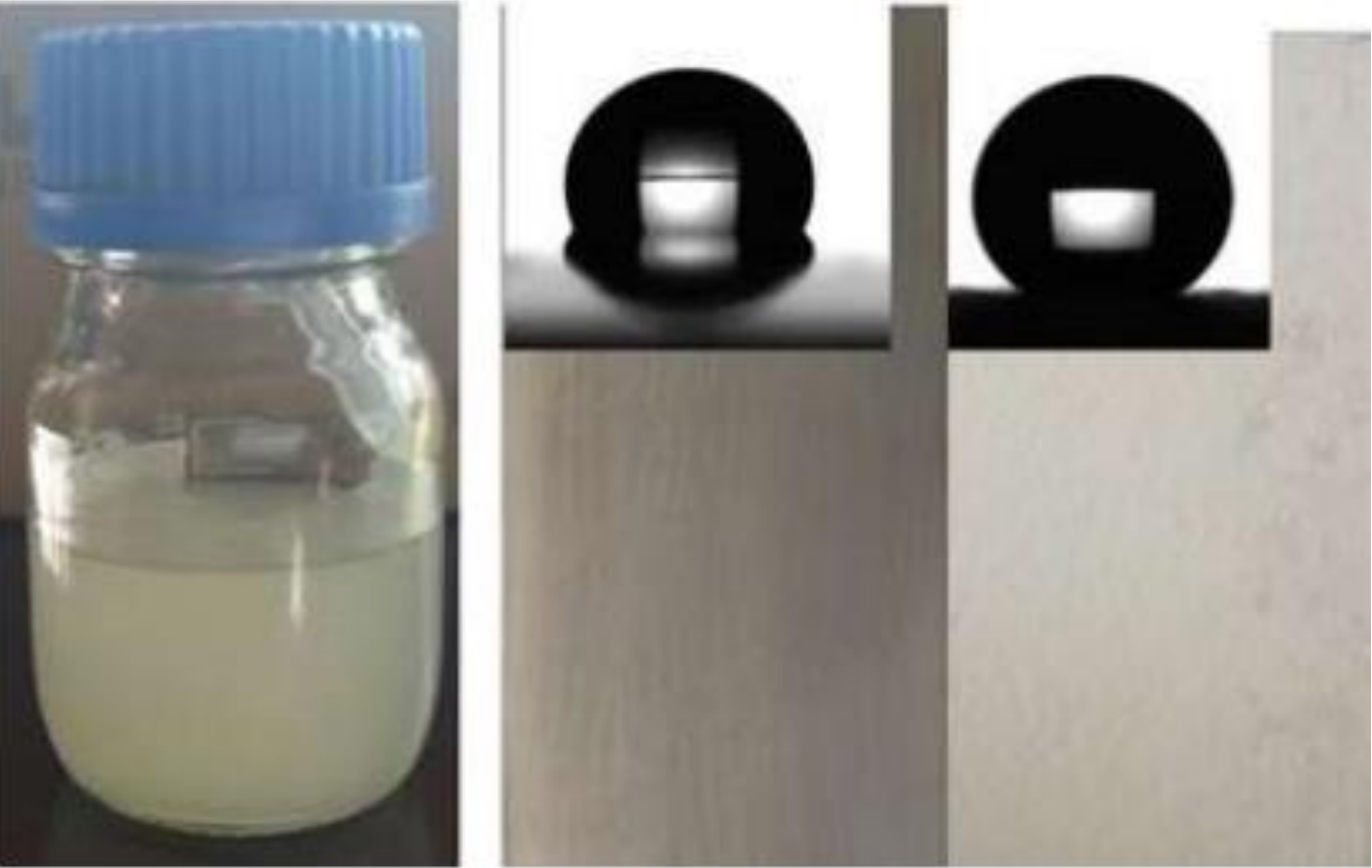
 润滑剂
润滑剂
 润滑油添加剂
 自润滑材料
自润滑材料
 密封材料
密封材料
 新兴材料
新兴材料
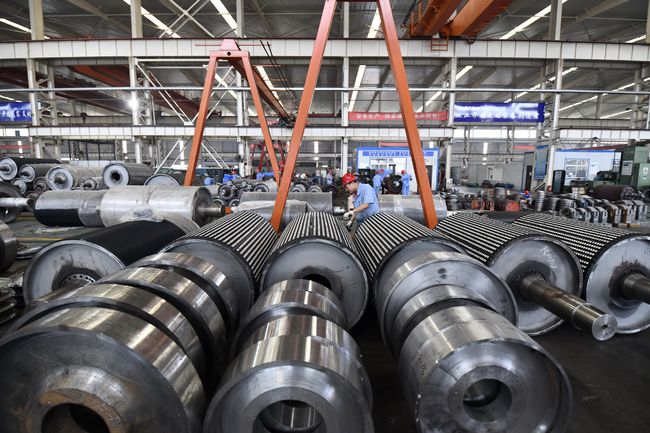 加工设备
加工设备
 摩擦试验机
摩擦试验机
 大型表征仪器
 小型测试设备