High tibial osteotomy (HTO) corrects lower limb malalignment but lacks active bioelectrical regulation. We designed a piezoelectric screw with an end‑slotted structure integrated with barium titanate. We evaluated its mechanical properties, mechanoelectric output under 5–20 N cyclic loading, biocompatibility, and effects on hUC‑MSC proliferation, migration, and chondrogenesis. The screw exhibited flexural strength of 700–800 MPa and pull‑out force of 347–355 N, meeting clinical requirements, with the slot showing no adverse mechanical effect. Under 0.85 Hz loading, open‑circuit voltage ranged 58.9 ± 2.4–105.6 ± 5.4 mV, increasing linearly with load, corresponding to 39.3–70.4 mV/cm. Cell viability > 90% and hemolysis < 5% confirmed biosafety. Piezoelectric stimulation significantly promoted proliferation, scratch wound healing, and 3D migration (p < 0.05). The chondrogenic effect was time‑dependent but non‑monotonic: 30 and 60 min/day of stimulation enhanced chondrogenesis, whereas 90 min/day diminished it. In conclusion, this screw offers reliable mechanics, stable output, and good biocompatibility, synergistically enhancing chondrogenic differentiation of hUC‑MSCs in the presence of chondrogenic induction factors, in addition to promoting proliferation and migration. The findings of this study provide only in vitro proof-of-concept data for a novel screw integrating mechanical fixation and piezoelectric stimulation; further comprehensive in vivo animal experiments are indispensable before exploring its translational value for cartilage repair after high tibial osteotomy.
周老师: 13321314106
王老师: 17793132604


邮箱号码: lub@licp.cas.cn





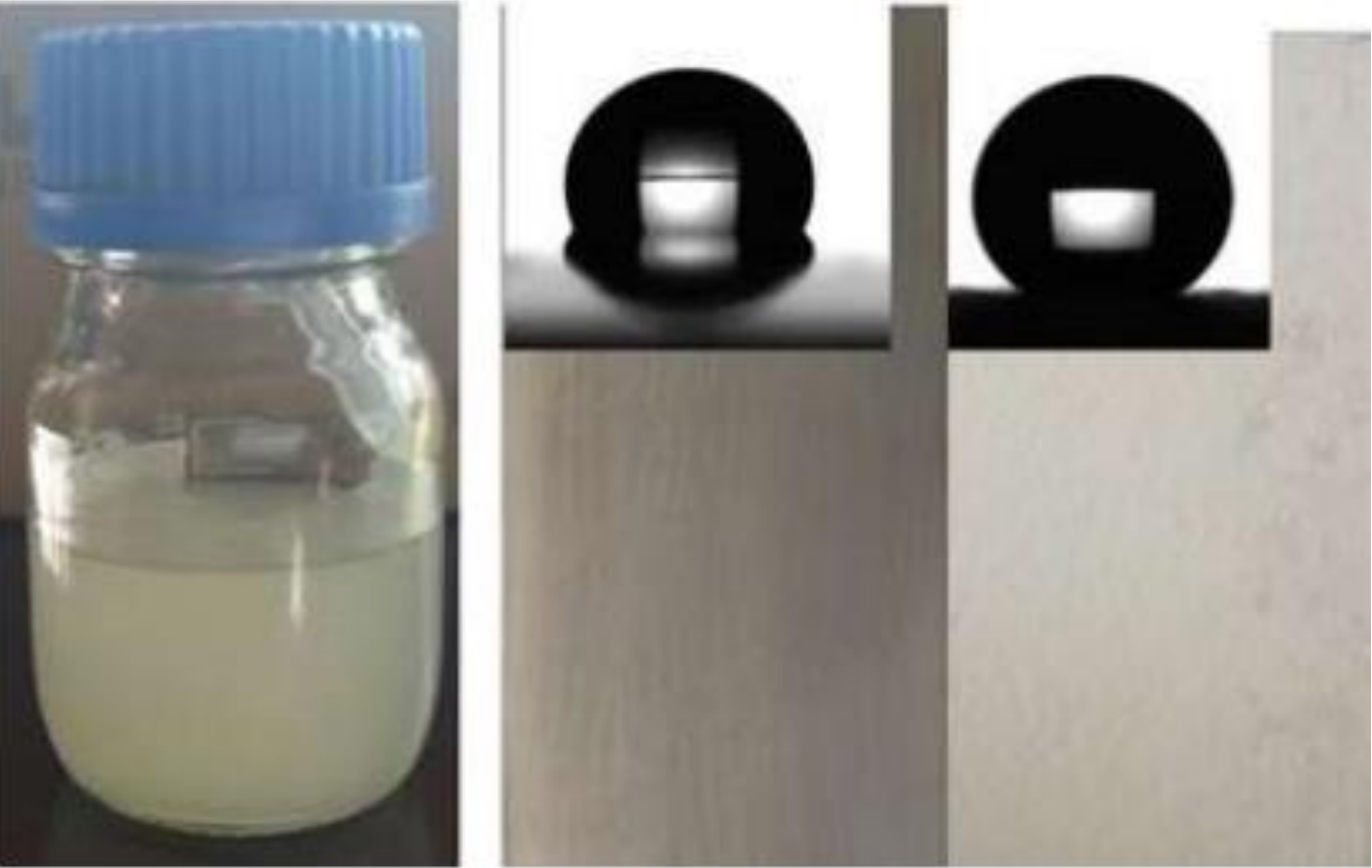
 润滑剂
润滑剂
 润滑油添加剂
 自润滑材料
自润滑材料
 密封材料
密封材料
 新兴材料
新兴材料
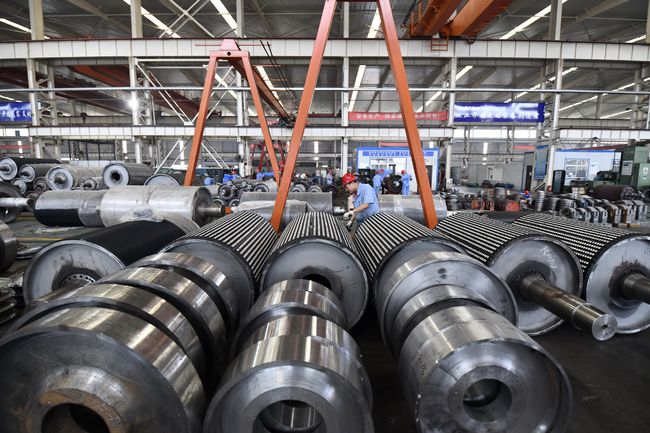 加工设备
加工设备
 摩擦试验机
摩擦试验机
 大型表征仪器
 小型测试设备