Orthogonal experimental design and random forest machine learning were integrated to optimize the low-friction performance of WC/a-C films at 15% RH. Range analysis determined the optimal parameters: 5.43 at. % W content, 5 N load, 6 Hz sliding frequency, and GCr15 counterpart ball, achieving a friction coefficient of 0.026. Microstructural investigations revealed that parameters modulated friction through influencing C/WO 3 sliding interface formation. The Random Forest model corroborated the orthogonal experimental design-derived importance hierarchy (load > frequency > W content). Predictions using this model yielded a friction coefficient of 0.032 for the optimal parameters, significantly reducing the experimental effort required for optimization. This methodology effectively advanced low-friction design of hydrogen-free carbon-based films under low-humidity atmospheric conditions.
周老师: 13321314106
王老师: 17793132604


邮箱号码: lub@licp.cas.cn




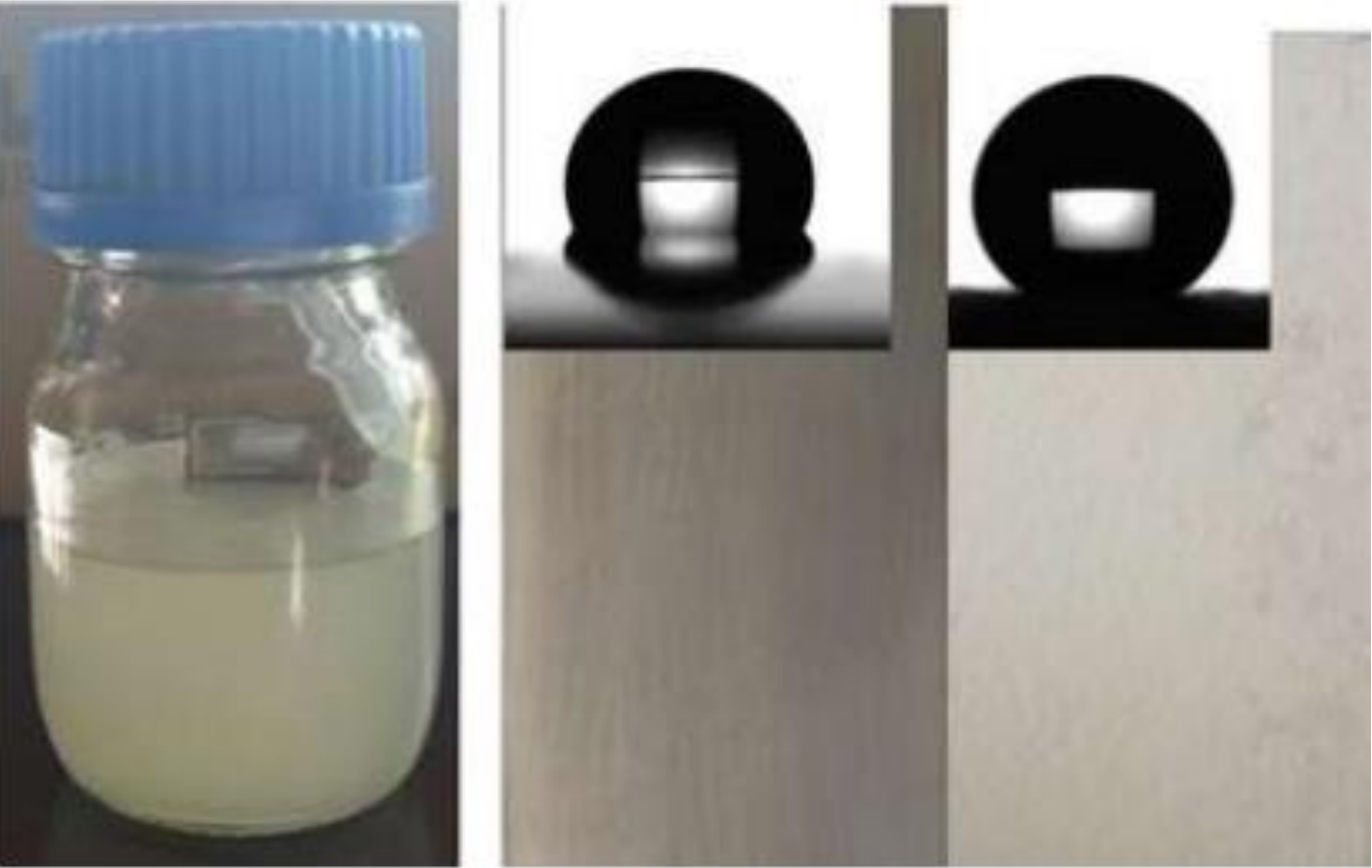
 润滑剂
润滑剂
 润滑油添加剂
 自润滑材料
自润滑材料
 密封材料
密封材料
 新兴材料
新兴材料
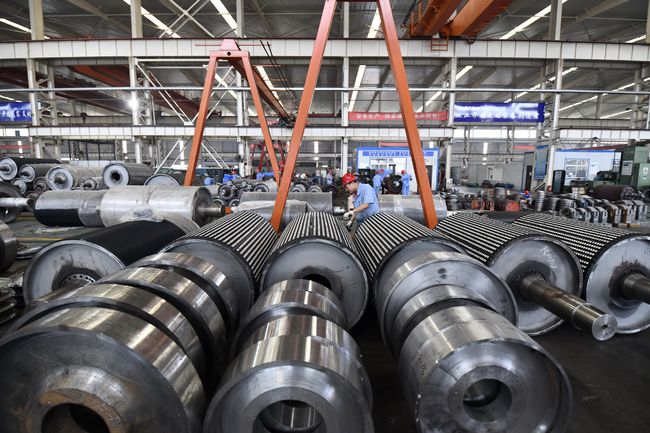 加工设备
加工设备
 摩擦试验机
摩擦试验机
 大型表征仪器
 小型测试设备